
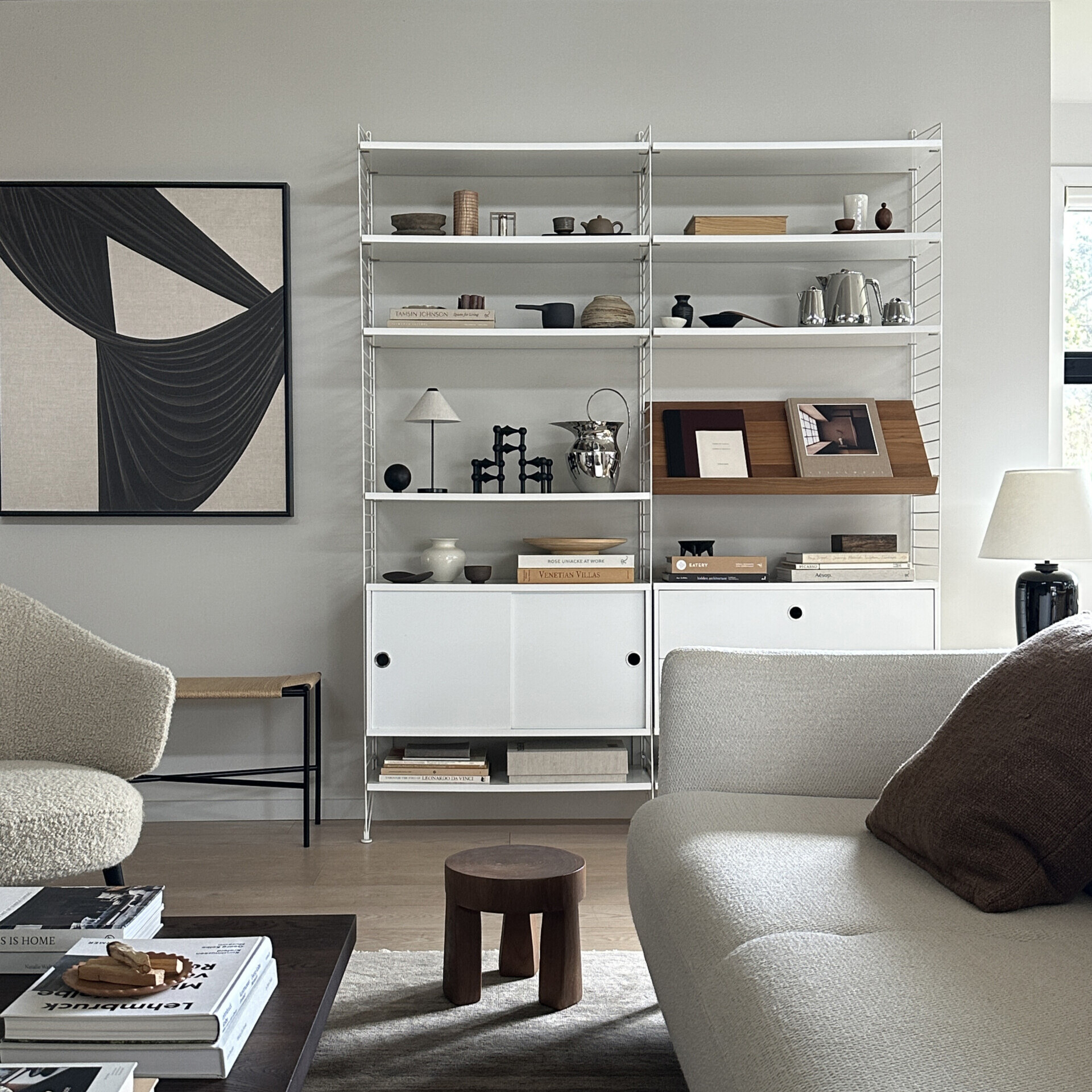
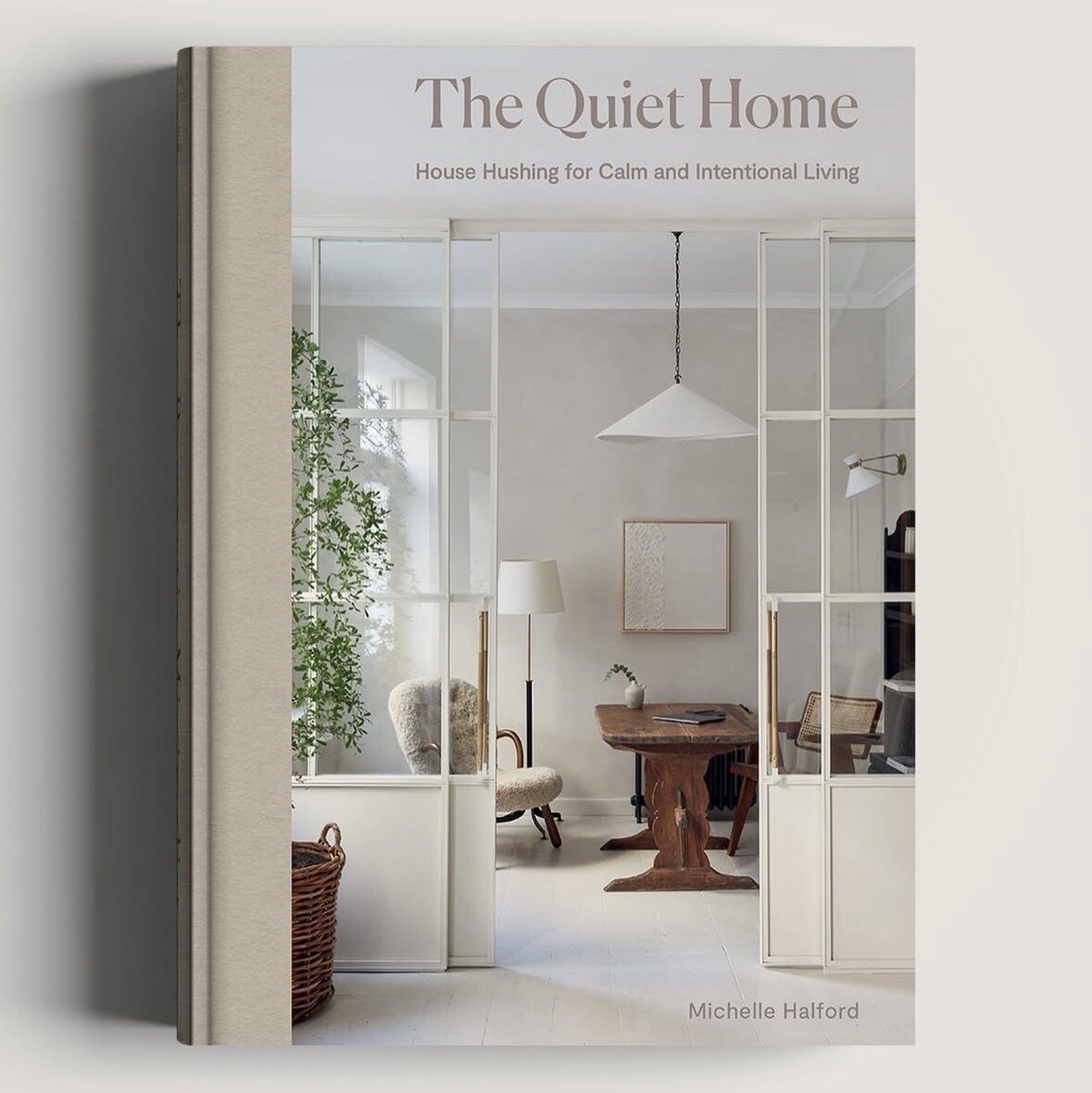
I may have been away from my writing desk last week due to the half-term holidays but that didn’t stop me getting inspired. Luckily for me my time off coincided with the arrival of a new book, The Quiet Home: House Hushing for Calm and Intentional Living.
The beautiful debut publication of New Zealand based interior stylist and designer Michelle Halford, its starting point; the idea that everything in an interior has a voice and creates noise, felt rather apt as ran around constantly tidying up after my ten-year-old son.
Just like Michelle’s much-loved blog, The Quiet Home is thoughtful in its approach, packed full of gorgeous photography, and provides ideas and advice you won’t know how you lived without.
So, once school resumed, I couldn’t resist catching up with Michelle over email to find out more about it, and here’s what she had to tell me:
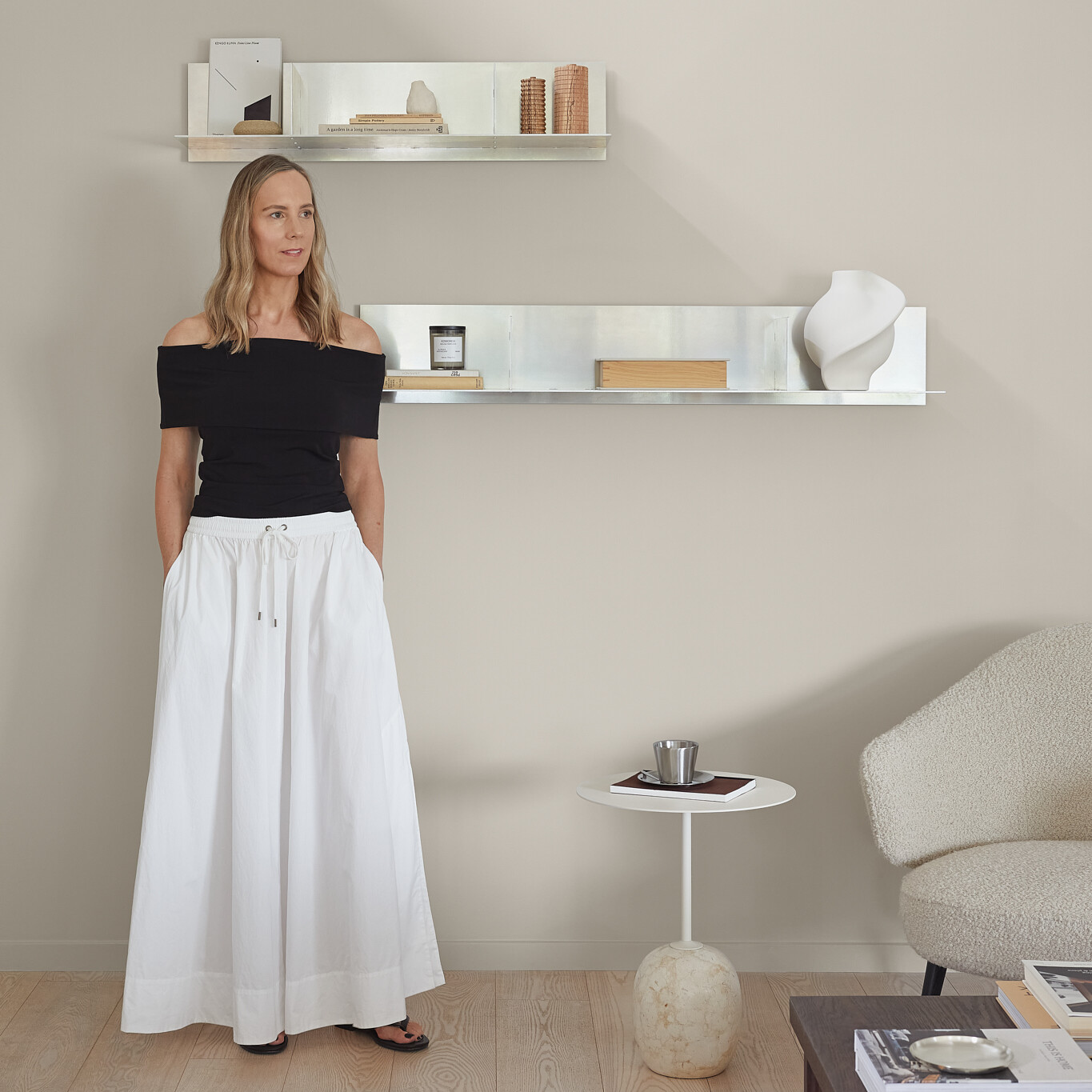
For those who don’t know, can we start with a little about you, and how your passion for pared-back design began?
For as long as I can remember, I’ve been drawn to a more minimal aesthetic. As someone who experiences sensory overload, I always find calm, visually quiet spaces comforting.
I was in my twenties when I discovered Scandinavian design, and it resonated deeply. There was a purity and simplicity that felt calming thanks to its clean lines, honest materials, and beautiful craftsmanship. That appreciation shaped the early direction of The Design Chaser blog, fuelled my creativity, as well as influenced the look and feel of my own home. It also eventually led me to travel the region to better understand the philosophy and still forms the foundation for the spaces I love to create today.
How would you describe your take on ‘quiet’ style, and what are the qualities you look for in the pieces you surround yourself with?
I would describe it as relaxed refinement. It’s elegant, but layered and lived in. Balance and proportion are also essential as I’m sensitive to when a space feels cluttered, lacks natural flow, or when the dialogue between furniture isn’t quite resolved. I want pieces to relate to one another, whether thats in scale, tone or material, so there’s both interest and a sense of cohesion throughout.
I’m also instinctively drawn to well-made, handcrafted pieces with longevity. Natural materials like timber, stone and wool, which anchor a room and will stand the test of time. I also love mixing old and new, allowing contrast to create depth and character.
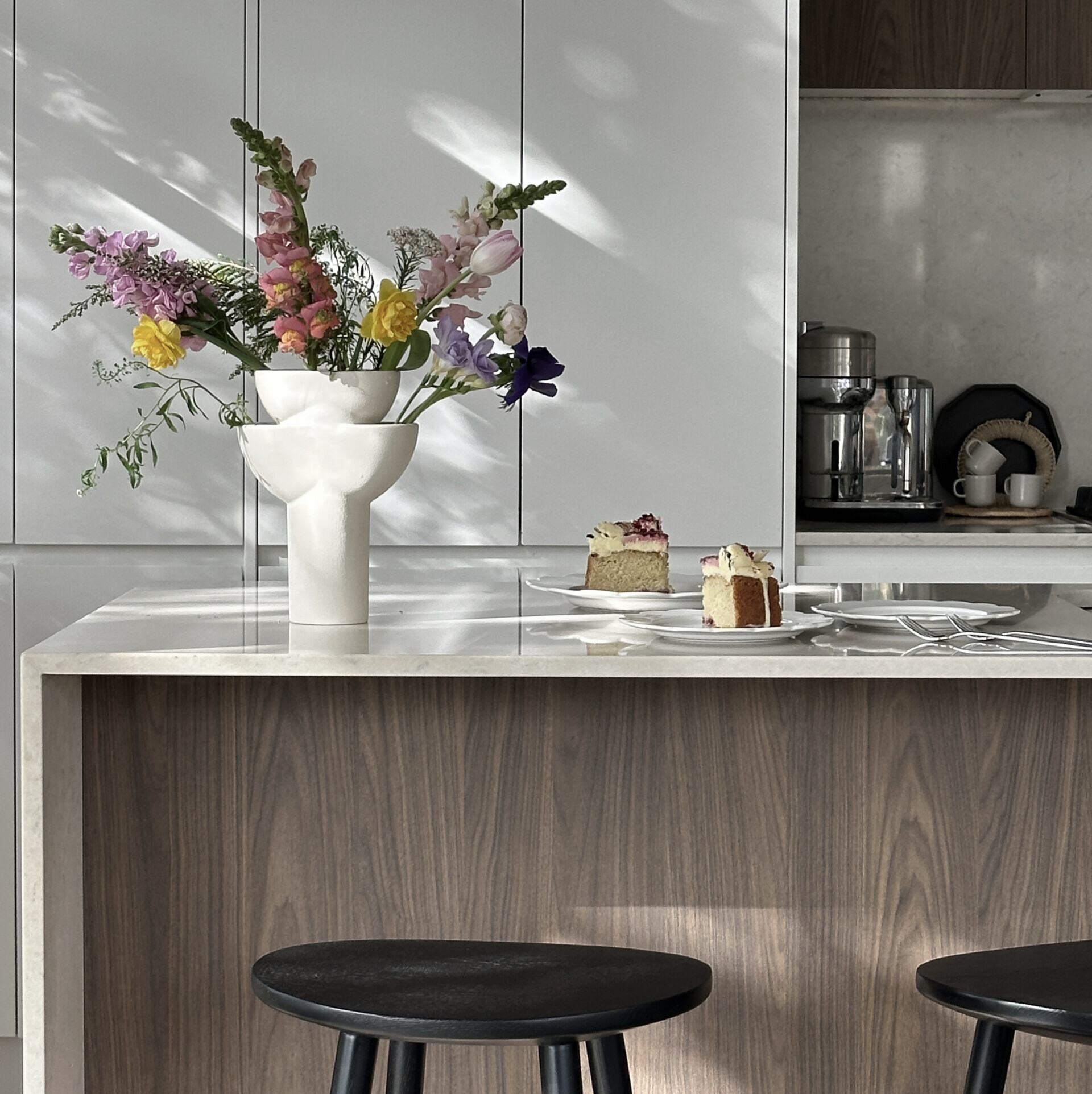
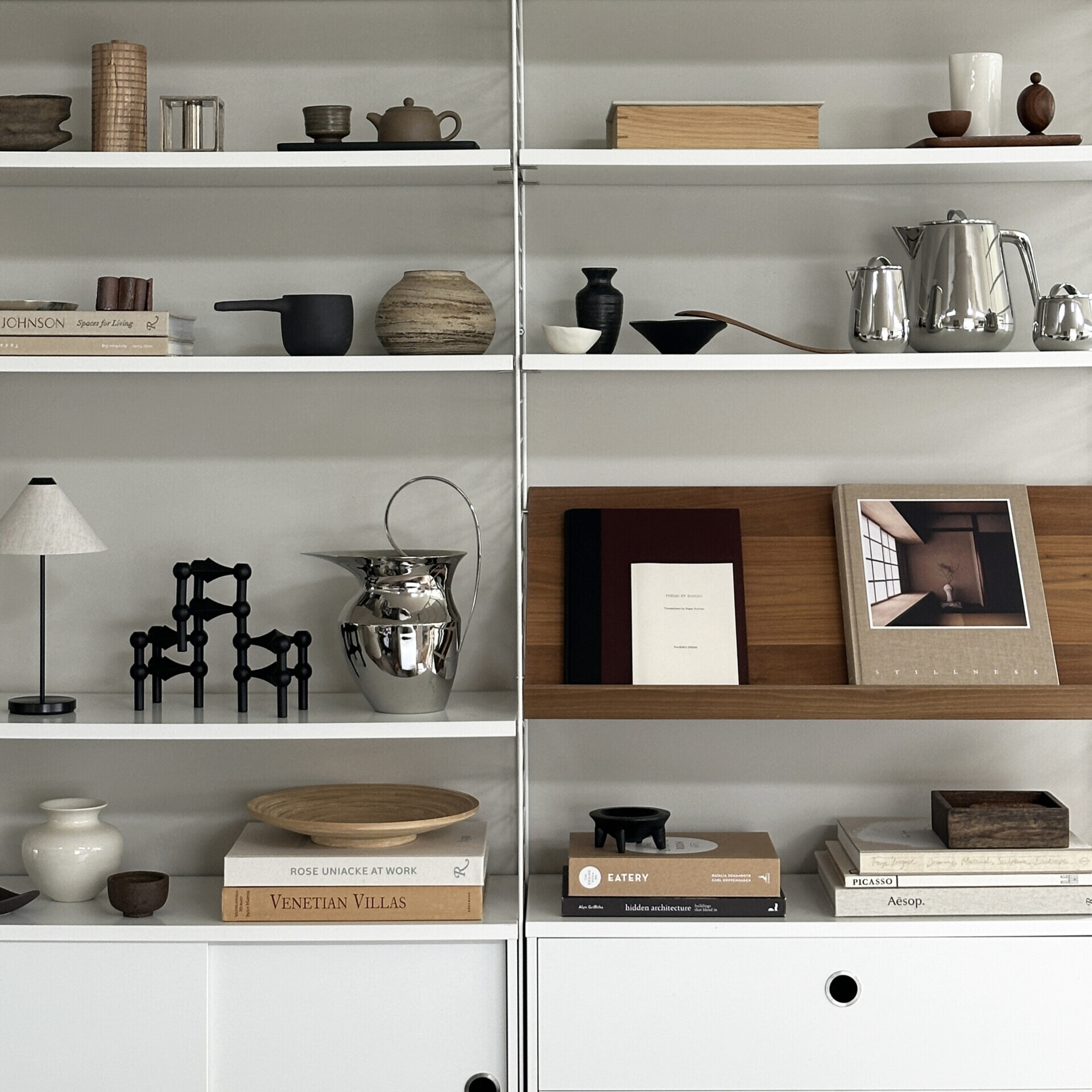
Can you explain what ‘house hushing’ is, and how the concept is explored within the quiet home?
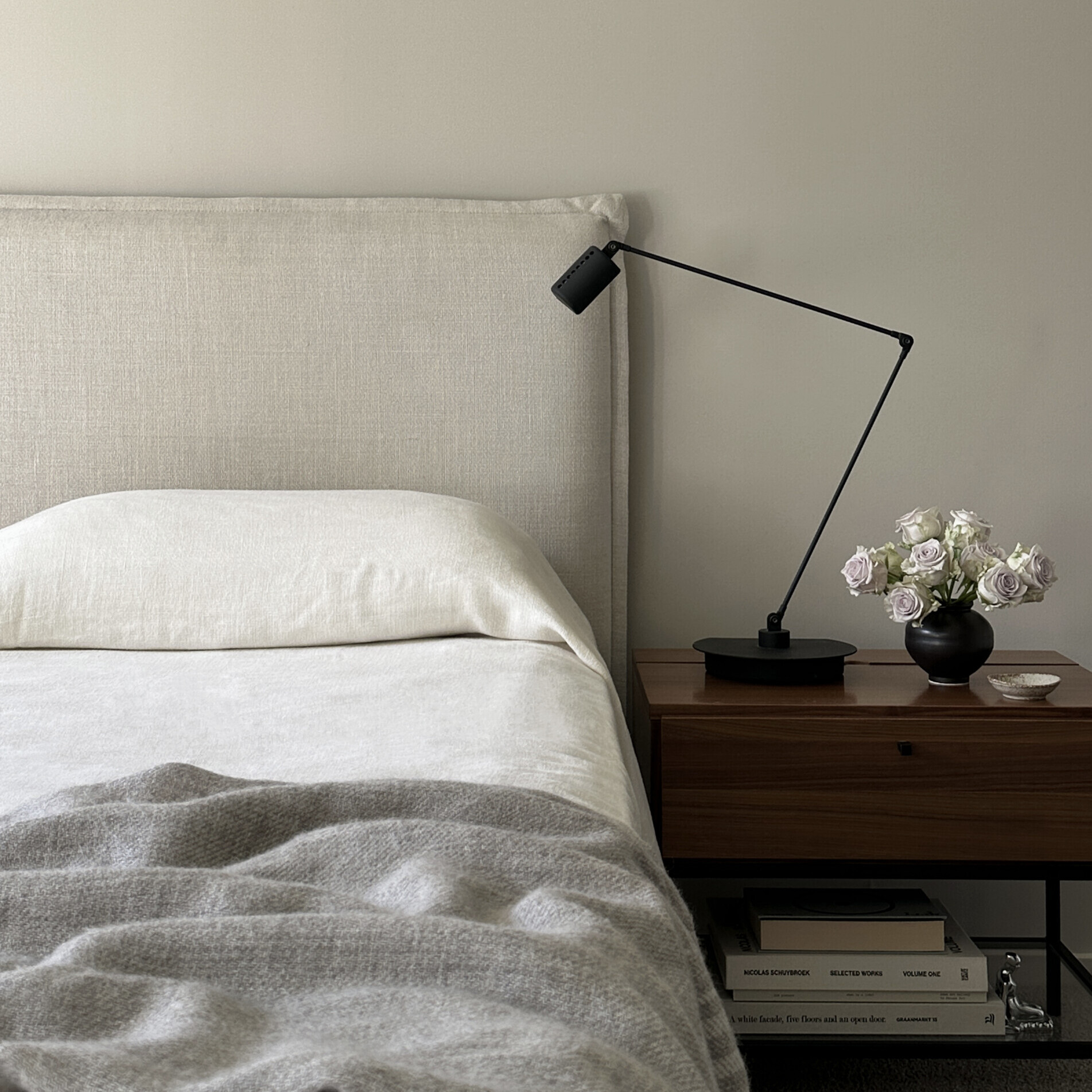
House hushing is the practice of clearing out the excess to allow a home to breathe. It’s about seeing a space in its rawest form — almost like a blank canvas — so you can notice the architectural elements, the way light moves through the room, and how it feels before layering in furniture and objects. From there, pieces are reintroduced slowly, letting them guide what belongs and what needs to go.
It goes beyond decluttering to make room for what is truly important, allowing each element to exist without competing for attention. A thoughtfully arranged, hushed space invites stillness and extends beyond what we see. Soft natural textiles underfoot, the absence of harsh acoustics, the warmth of wood, the coolness of stone, or the subtle scent of fresh air shape how a space feels in profound ways. If everything in a room has a voice, house hushing is the act of dialling down the noise through careful consideration of colour, material, form and light, creating spaces that encourage presence, focus and calm.
In The Quiet Home, I explore this concept across four chapters: Foundations, Mindful Minimalism, The Art of the Edit and Room by Room. The book offers a toolkit for creating an intentional sanctuary, whether styling a sideboard, refreshing a room, or undertaking a full-scale renovation. It covers everything from balancing colour and layering natural materials to harnessing light and space to create calm, all designed to make your home feel restorative and uniquely yours.
What for you are the benefits of this approach and what impact has it had your own health and wellbeing?
For me, a hushed, intentional approach to the home brings so many benefits. It lowers anxiety and stress, fosters mental clarity, and supports focus and productivity. Taking the time to be slow and deliberate in how I curate, arrange and live within our space allows our home to evolve with me and my family, creating an environment that feels nurturing, calm and restorative.
More than just about how a home looks but how it makes us feel, what are your top tips for dialling down the visual noise, especially in times like these?
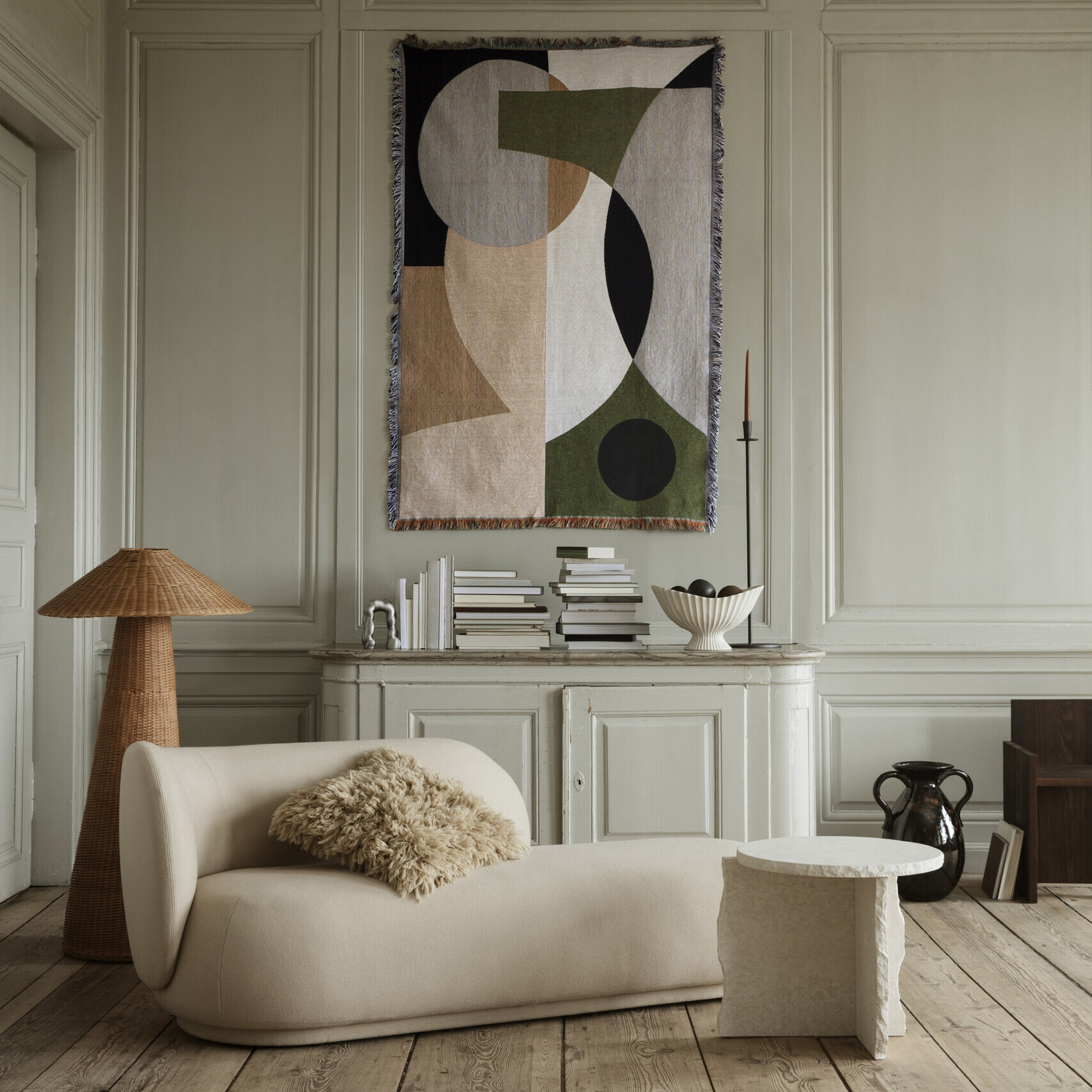
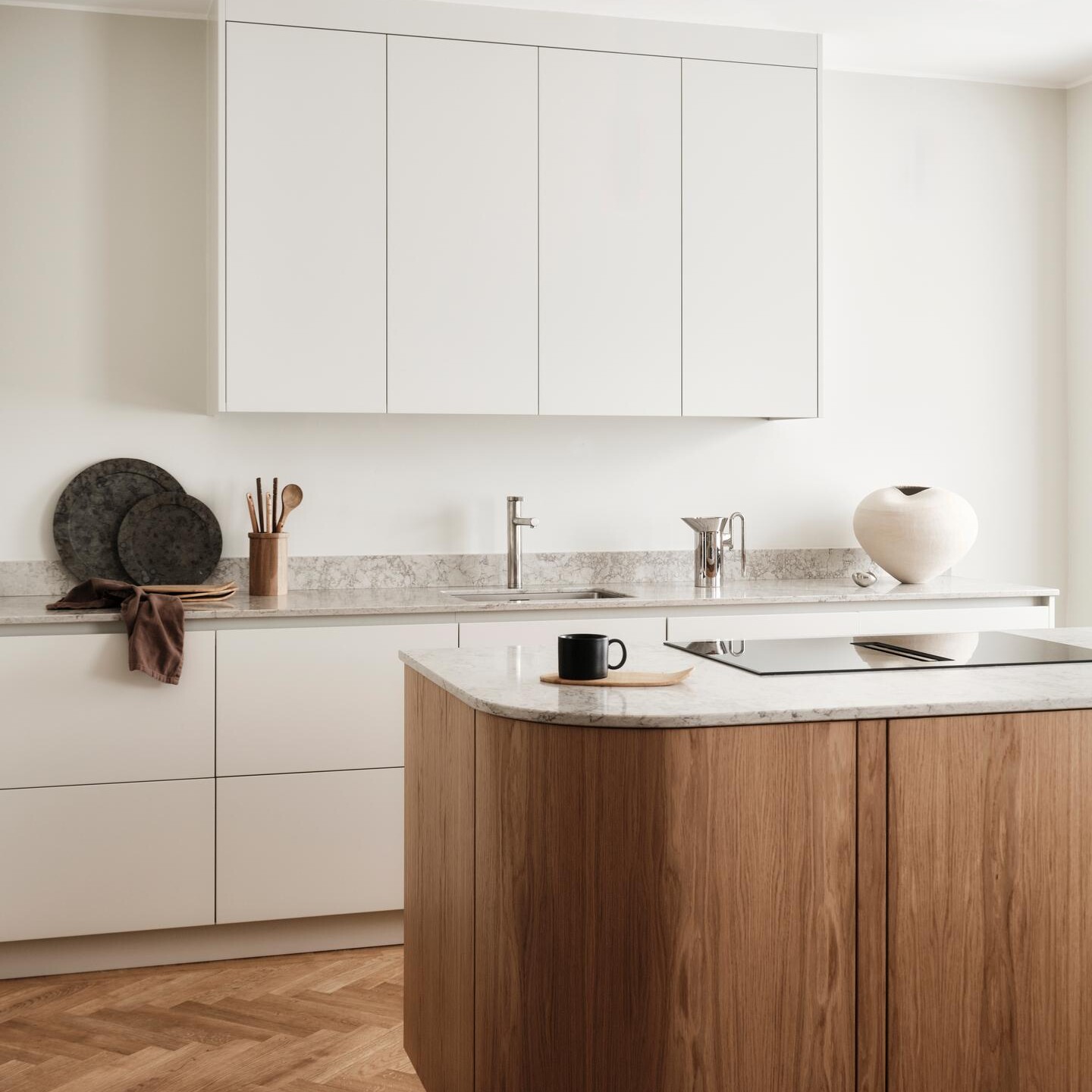
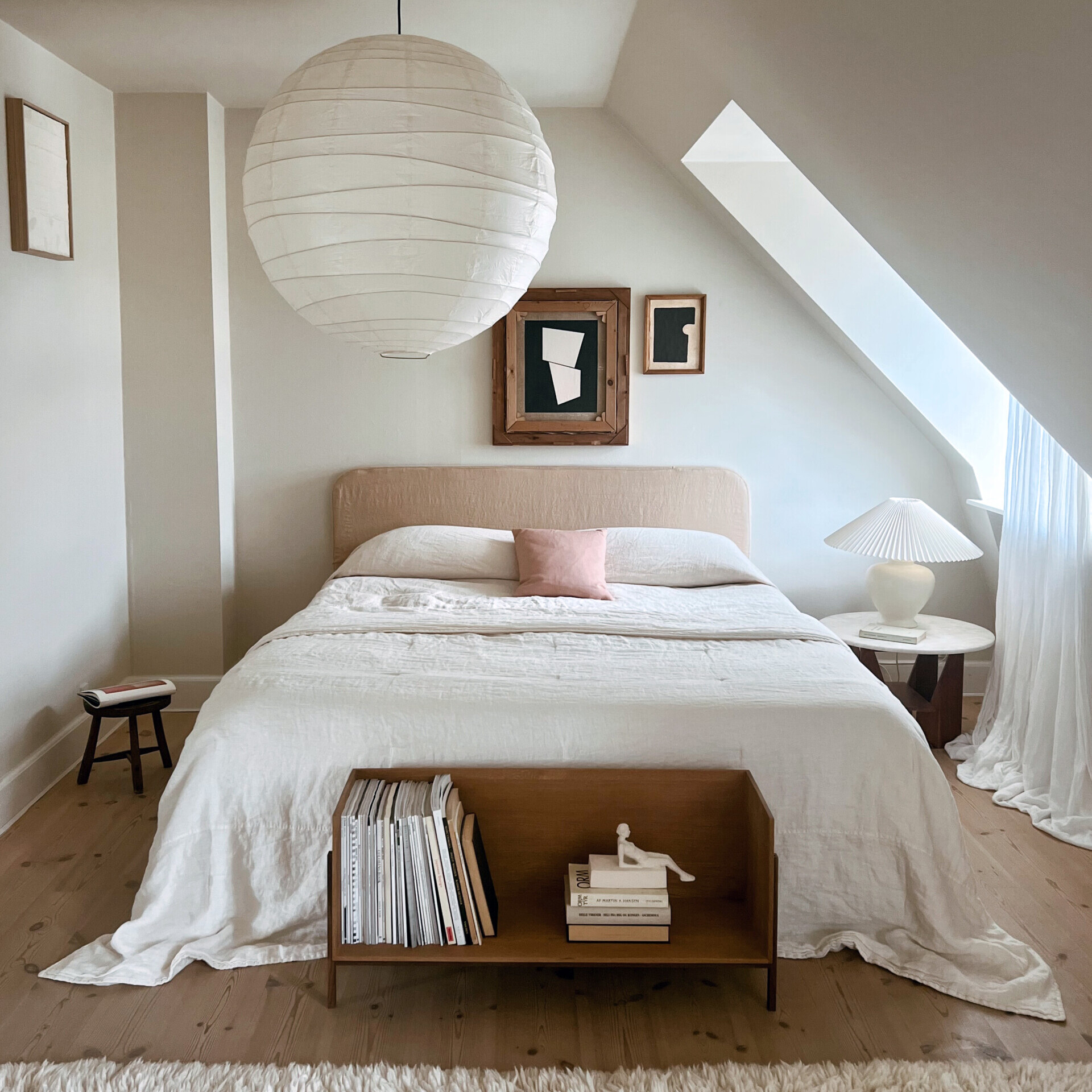
Firstly, create a cohesive colour palette and lean into neutral tones to provide a soothing, versatile backdrop that feels understated yet warm. Layer in complimentary textures, subtle patterns and small seasonal touches to keep things interesting without overwhelming the space.
Connection to nature is also essential. Maximise natural light, incorporate plants or fresh flowers, and focus on natural materials like timber, stone, and soft textiles to add depth and dimension. Thoughtfully arranged spaces that create a visual dialogue between indoors and out support both physical and mental wellbeing.
Next, remember less is more. Prioritising quality over excess and curating with intention allows each piece to have purpose. A calm space layered with life and character encourages you to slow down and live more in the moment.
Finally, regularly edit your home. This is an ongoing practice that goes beyond simply removing things. Even small shifts, such as rearranging a shelf, shuffling books, or introducing fresh flowers can refresh a space and prevent visual noise from building up. Over time, it becomes instinctive and an enjoyable way to keep your home calm, harmonious, and true to you.
Want to know more?
Thanks again to Michelle for taking the time to chat with me about The Quiet Home, it’s been five years since I featured her own home on the blog, so a catch up was long overdue.
Alternatively, to find out more about Michelle, her blog and her book, click here.
Portrait of Michelle by Kirsty Dawn, all images courtesy of Michelle Halford and Octopus Books.


Leave a Reply