
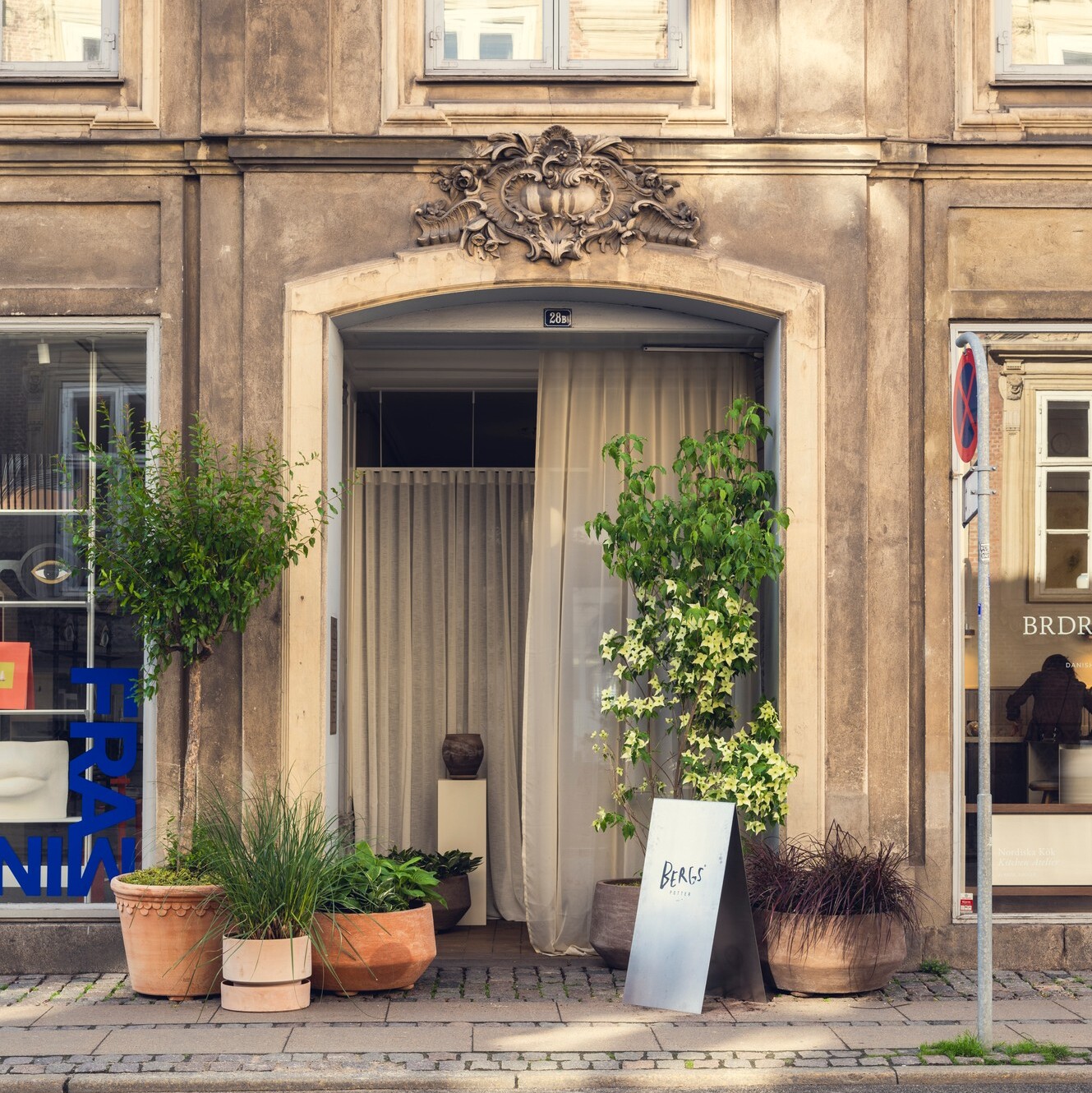
As someone who is just as inspired by a thoughtfully designed Nordic garden as they are an interior, you can imagine how excited I was to catch up with Chief Product Officer (CPO), Christian Richard Andersen of Danish lifestyle brand Bergs Potter during my recent trip to Copenhagen.
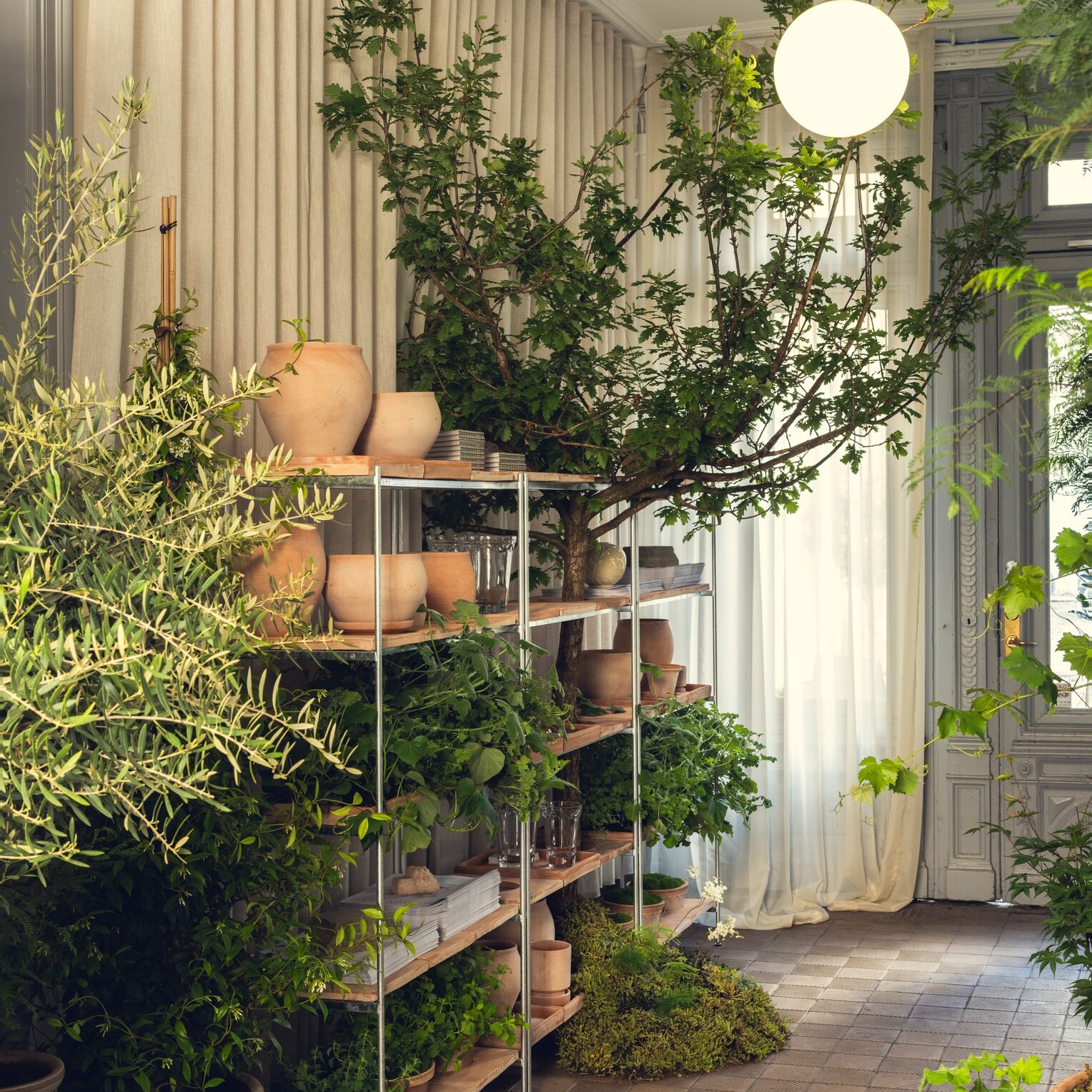
Located in a narrow passageway on Bredgade, their exhibition at 3 Days of Design brought the beauty of nature to the fore. And, while it may have been small in size, it certainly provided a mighty moment for busy visitors like me to rest, relax and recharge. Lined on either side with their timeless, sustainably crafted, premium clay pots, and with light textiles gently drifting overhead, the power plants have to change the atmosphere of a space, create calm, and reconnect us with the world around us, was never more evident or appreciated.
Here’s what Christian had to tell me:
Can you start by telling us a little about Bergs Potter’s incredible history, how and why it began through to where the brand is today?
Founded in 1942 by Victor Berg, the ambition behind Bergs Potter was a simple but meaningful one; to bring a little more life, beauty and optimism into the homes of people living through difficult times in Denmark. Opening a small shop selling flowers and ceramics Victor quickly discovered that people were longing to surround themselves with plants and handcrafted pottery.
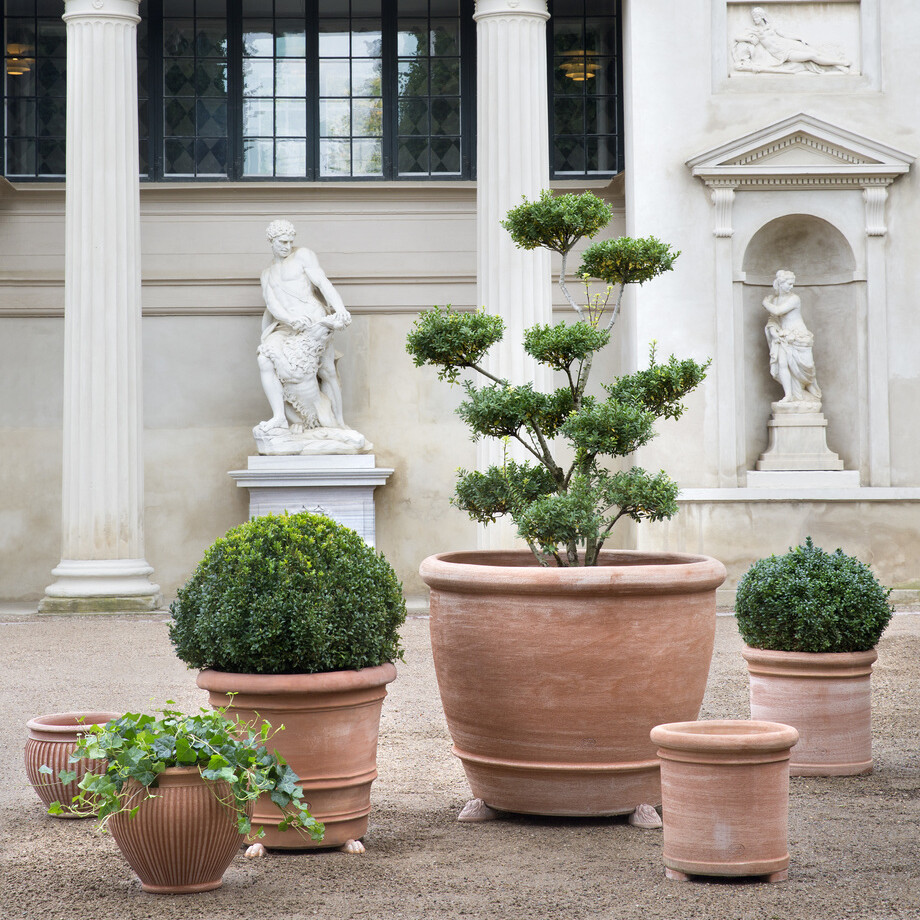
So over time, and as the business expanded he and his family began travelling across Italy, visiting workshops making exceptional terracotta pottery and bringing them back to Denmark, where they sold them through the shops and at the local flower market. Today, Bergs Potter is led by what we like to call the third generation — not connected by blood, but by spirit. Our owners, Martin and Frits, continue to use the original vision to guide us and believe that pots and plants should never be treated as ordinary objects, that they play an important role in our everyday lives and deserve the same appreciation as great furniture or timeless architecture.
At 3 Days of Design, Bergs Potter showcased classic designs as well as contemporary additions. What was the inspiration behind the exhibition?
Our ambition at this year’s festival was to get people to rethink how they live with plants. Just as we carefully consider the design of our living room, bedroom or kitchen; our green spaces deserve the same intention and creativity.
In particular we wanted to demonstrate how even transitional spaces can become destinations in themselves. Transforming a traditional entryway into a lush botanical oasis where visitors could wander, discover and experience. Proving how plants, regardless of where they are placed, have the unique ability to truly shape an environment.
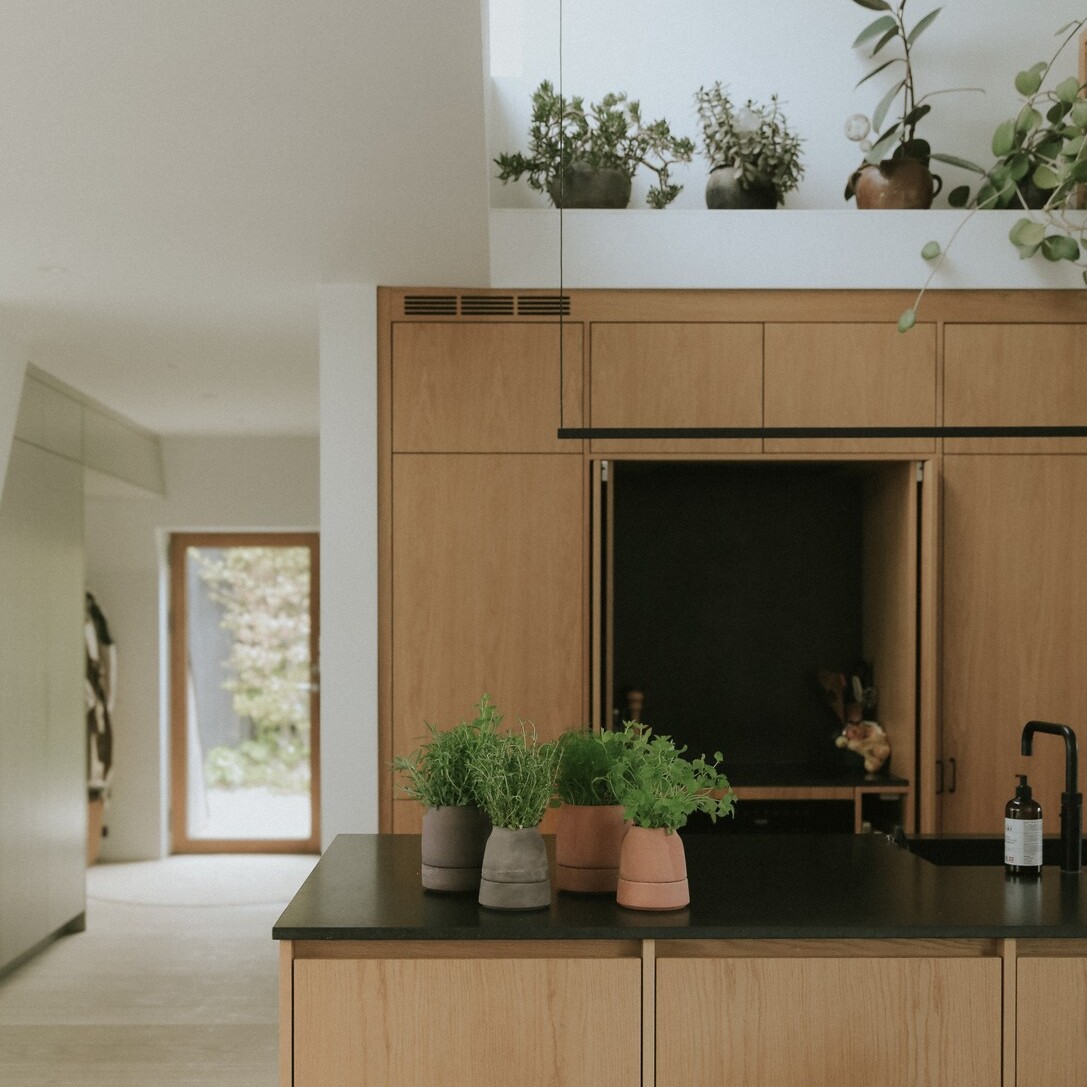
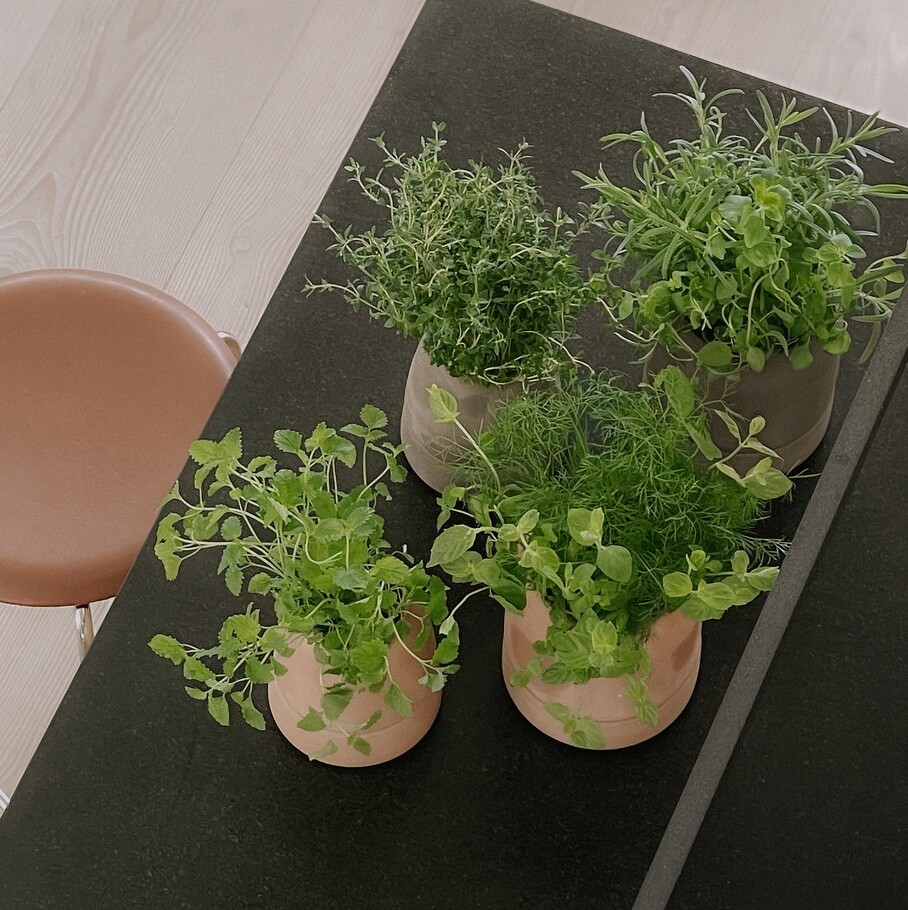
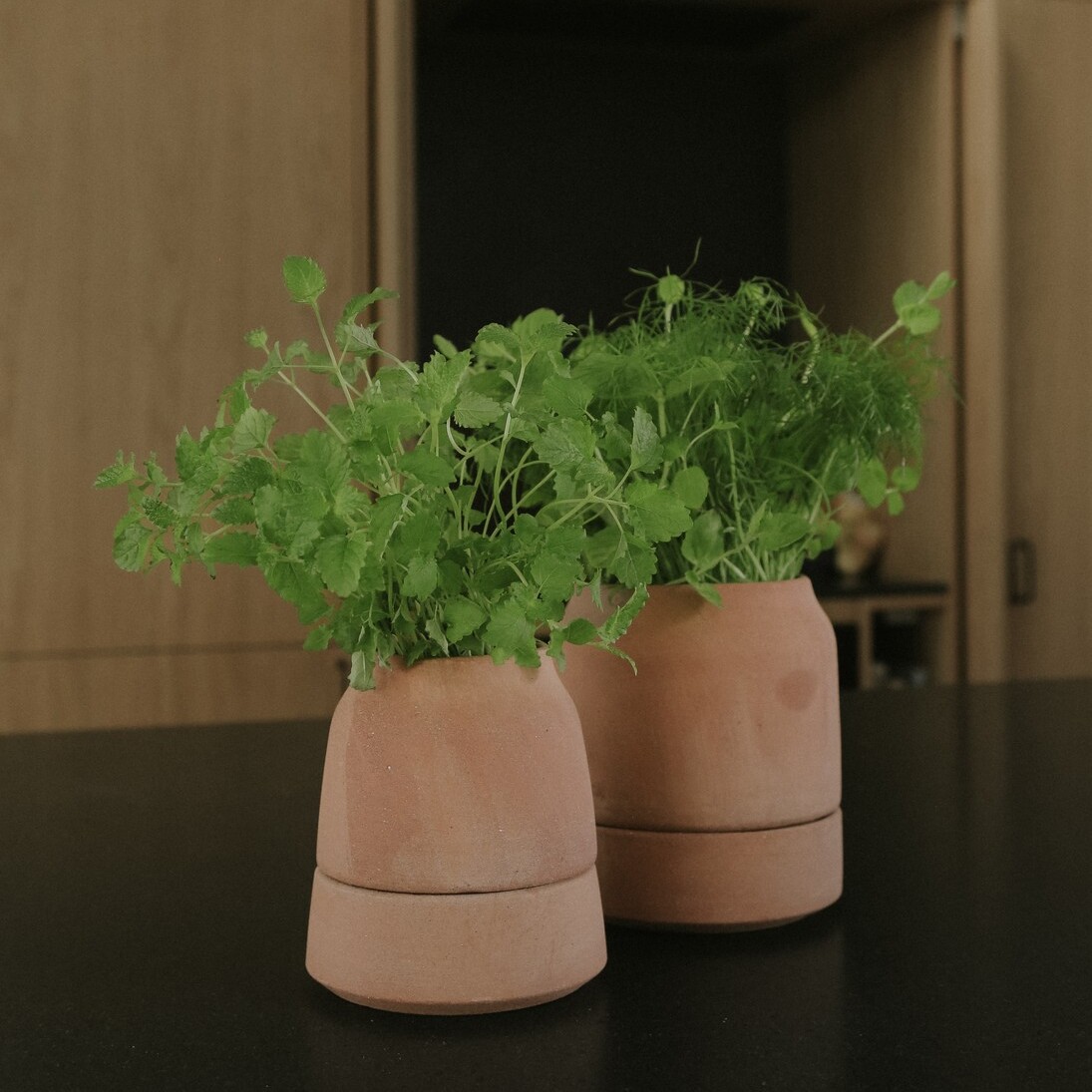
With a focus on quality and craftsmanship, how and where are Bergs Potter pots made and by whose hands.
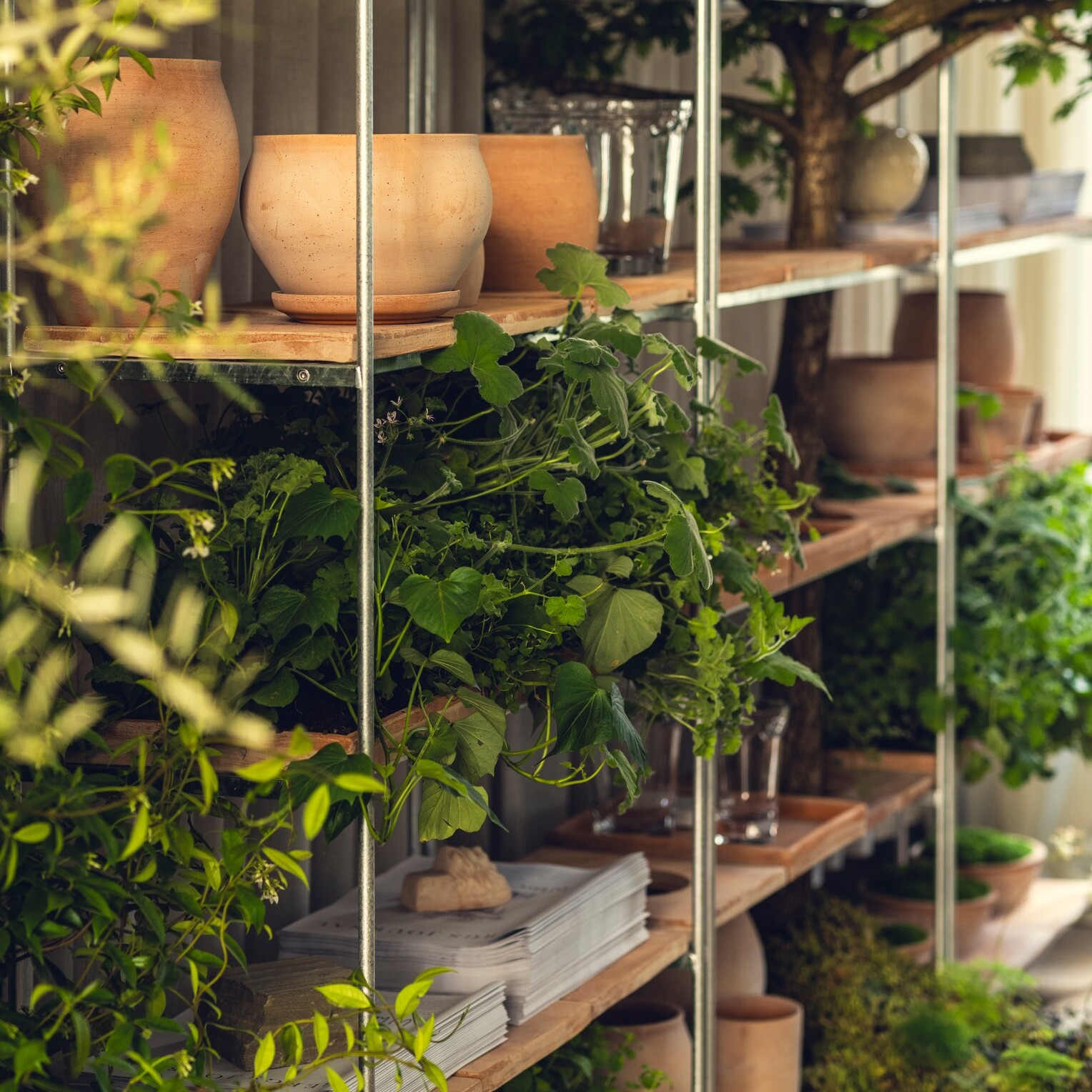
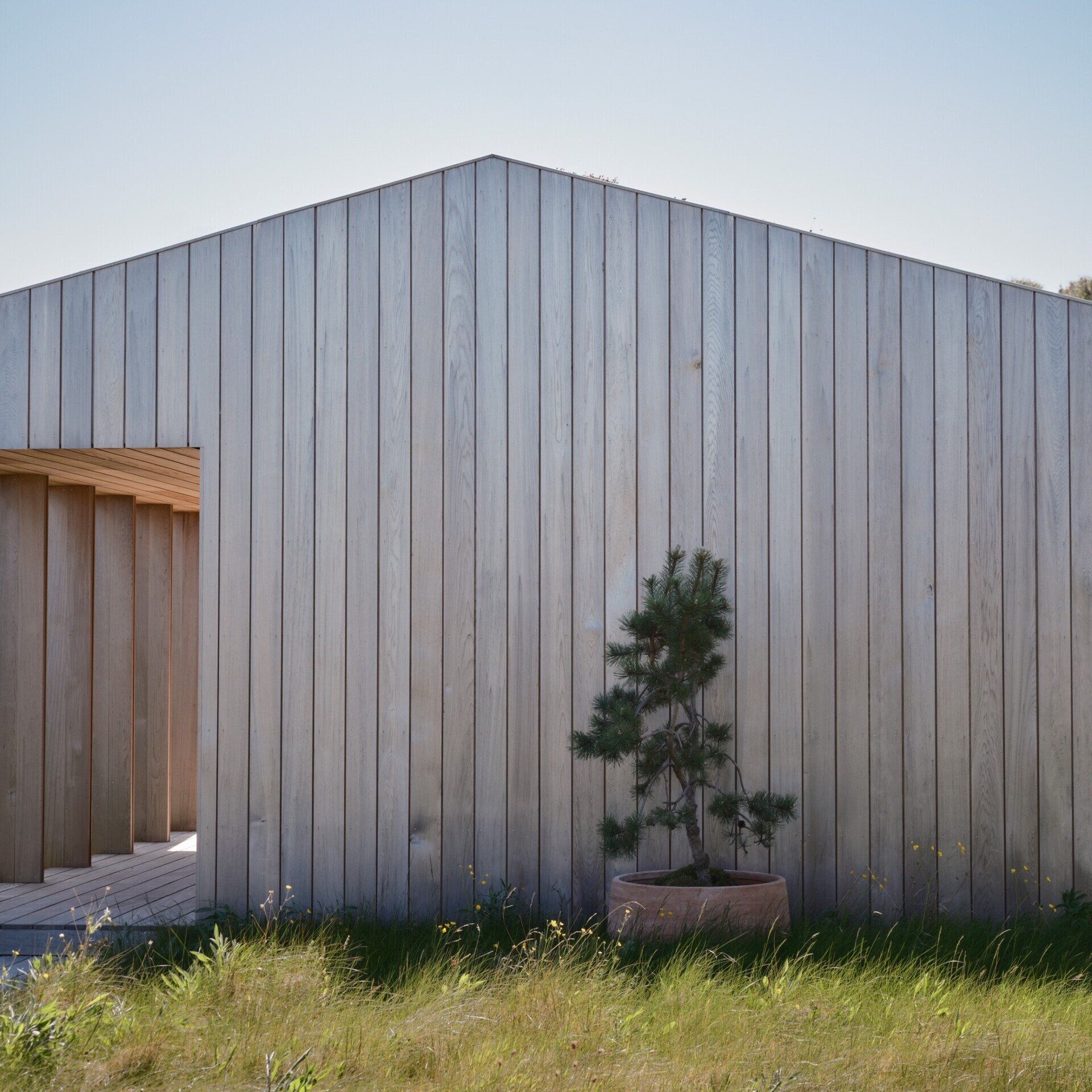
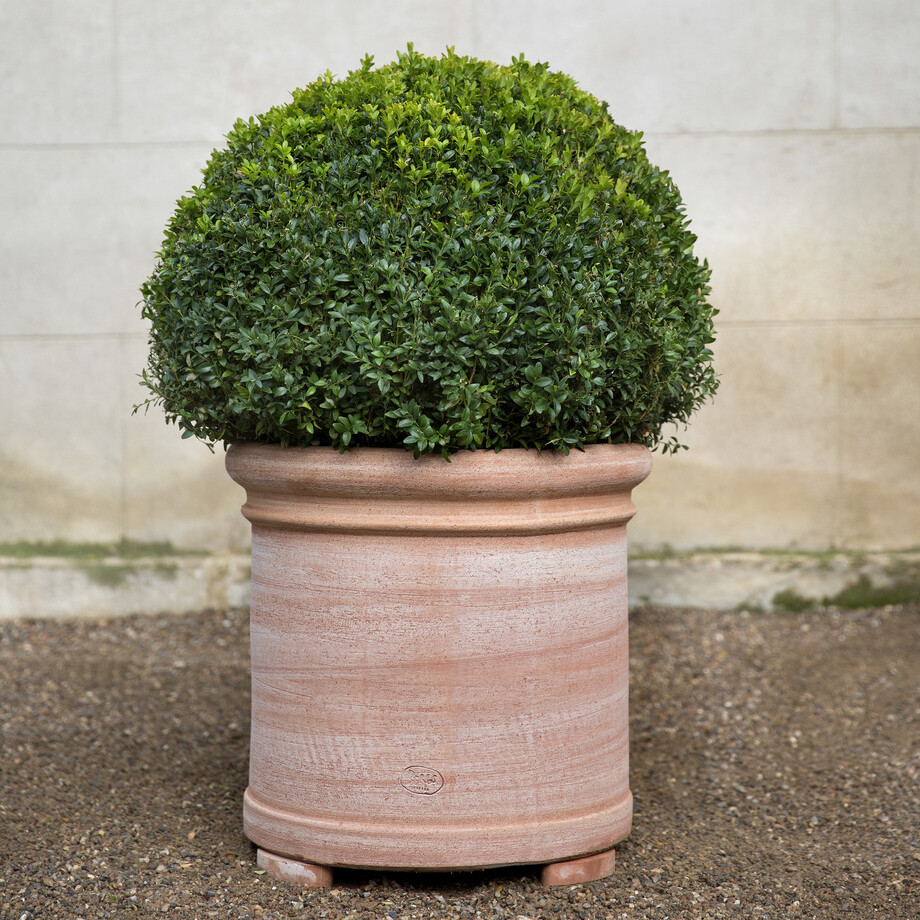
Quality and craftsmanship are at the very heart of Bergs Potter, with all our terracotta pots produced in Italy, and our glazed stoneware and earthenware collections coming from Portugal. When we select a producer, we don’t see them simply as suppliers, we see them as long-term partners, with our relationships built on mutual trust, shared ambition and a genuine passion for creating products that stand the test of time. Some of them are family-owned workshops, where historic techniques have been passed down through generations while others are younger; but together they prove that innovation and traditional craftsmanship can successfully coexist.
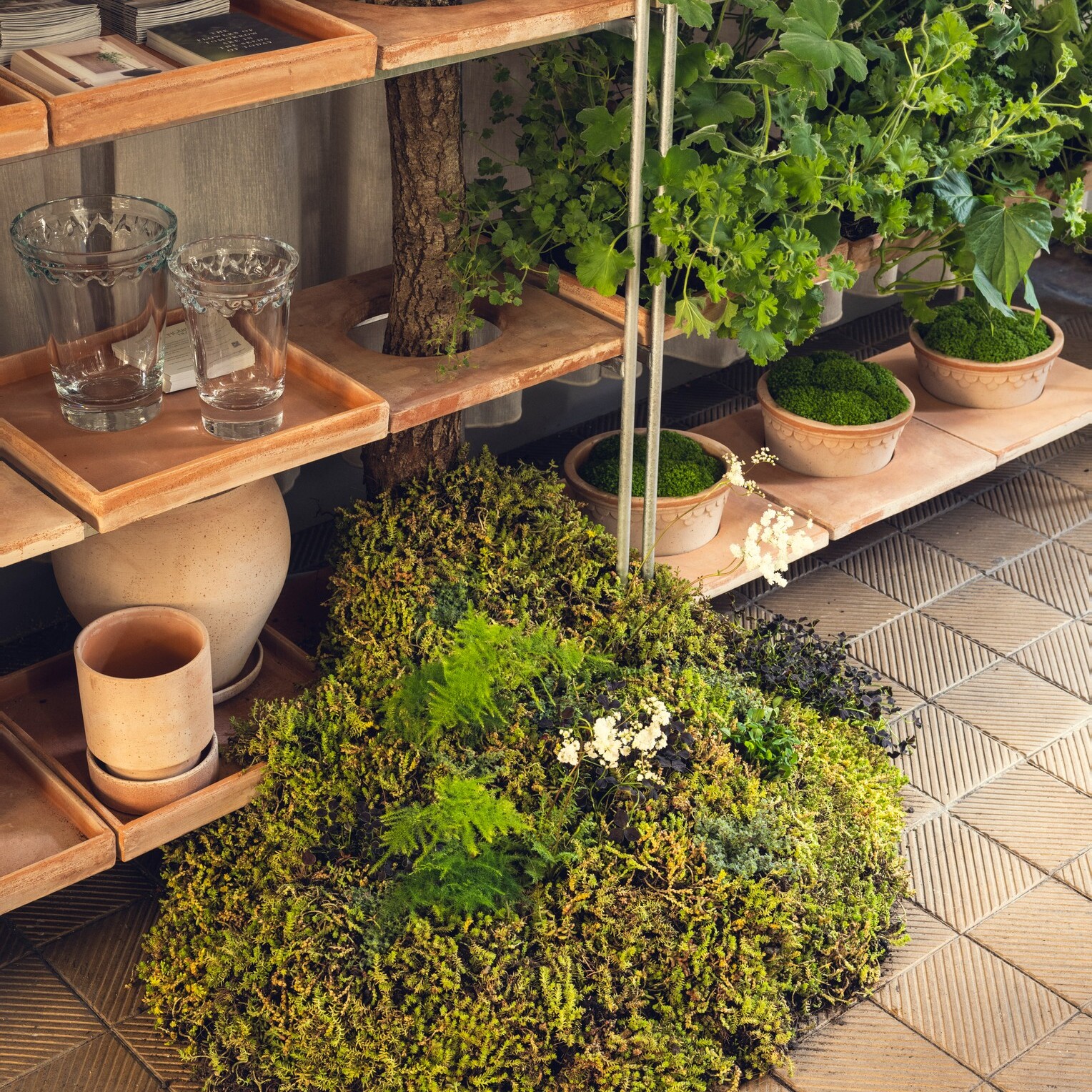
As our collection evolves, we continue to seek out the very best specialists. Our new botanical shelving system shown at 3 Days of Design, and launching in January, is a good example of that. The steel frames are produced in Denmark, the teak shelves come from a family-owned manufacturer in Indonesia, which is located beside the very plantation where the timber is grown, and the terracotta shelves are handcrafted in Italy.
With such an impressive collection of pots to choose from, which Bergs Potter pieces are your favourite and why?
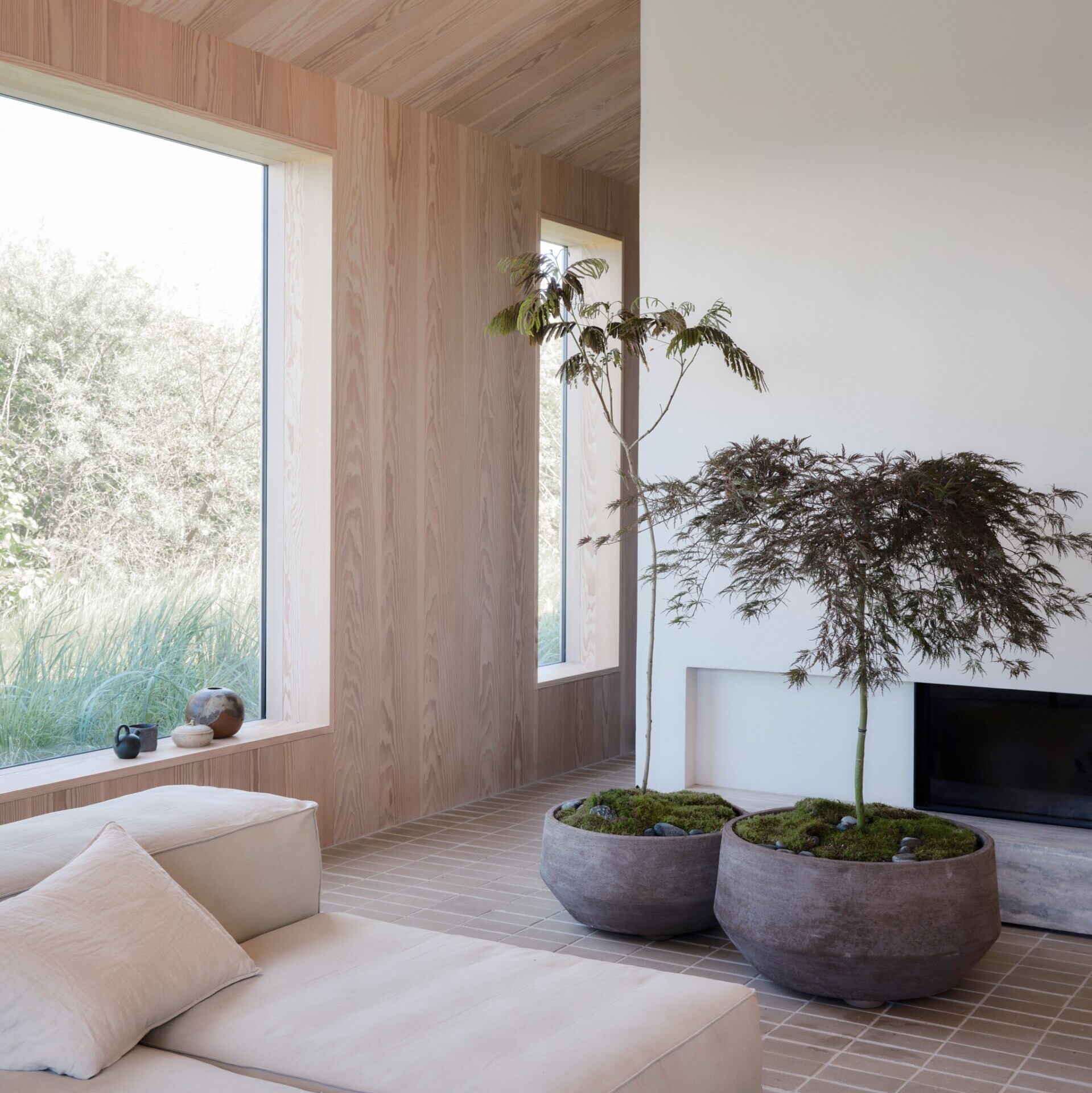
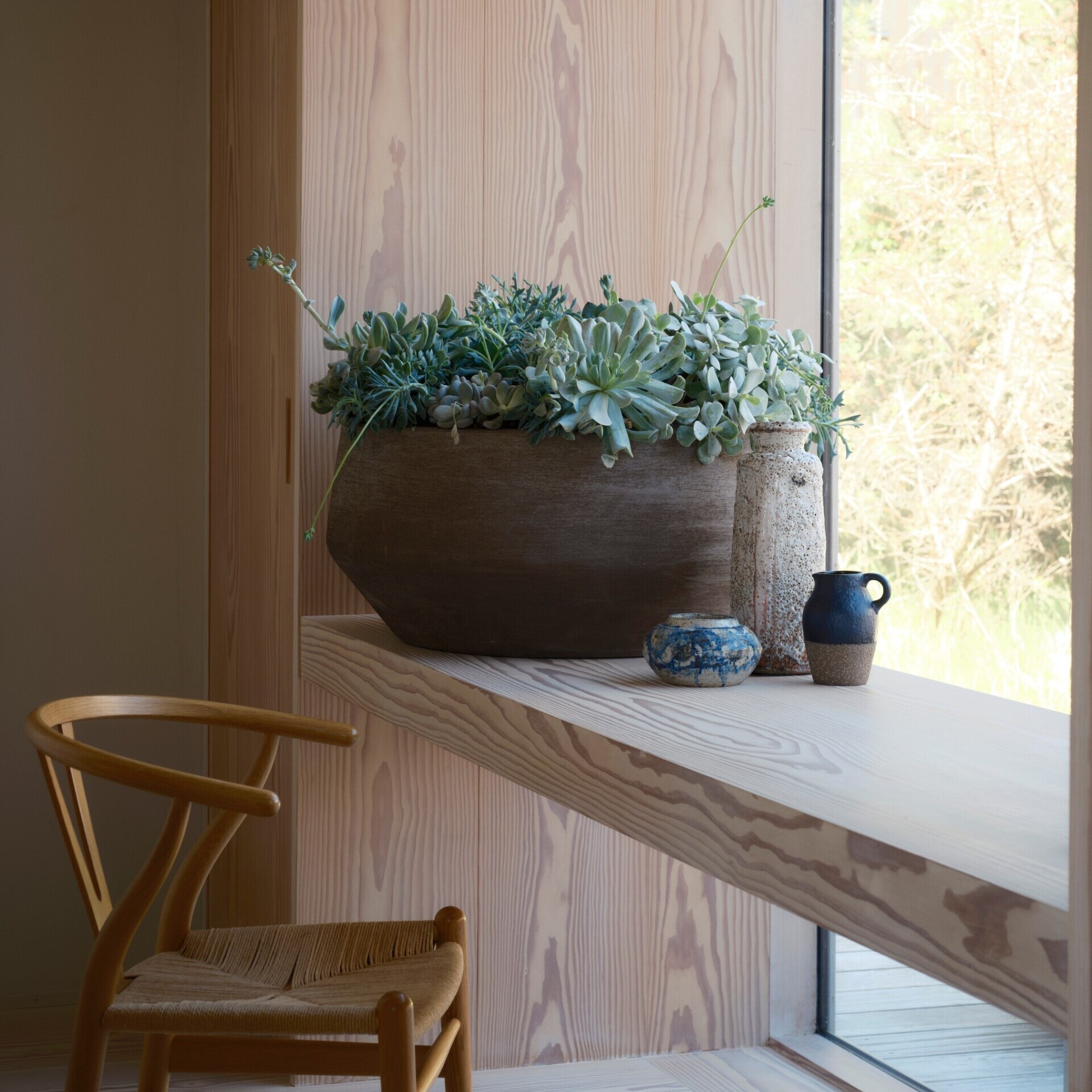
Like most people, my favourite changes over time, but right now it’s undoubtedly our new Doma collection. What fascinates me about it is its architectural approach to planting. The pots are deliberately wide and low, creating generous planting volumes while maintaining a broad opening and a low centre of gravity. This allows you to plant in layers rather than simply placing a single plant in the middle.
You can combine height, ground cover and trailing plants in one composition, creating a landscape which is much richer and more dynamic. For me, Doma represents a new way of thinking about planting, not just as decoration, but as living design.
Finally, what advice would you give anyone looking to add plants and pots to their homes the Nordic way?
If I could give just one piece of advice, it would be don’t be afraid to go bigger. There’s a strong movement today towards quiet luxury and a more understated way of living and I think that philosophy applies beautifully to plants as well.
Rather than filling a windowsill with many small pots, I would encourage people to invest in fewer, larger pots and create more intentional compositions. Large planters allow plants to thrive while creating a calmer, more architectural expression. I also encourage people to think in three dimensions too. When I create a planting arrangement, I always begin with a tall focal plant to establish height and structure. From there, I layer lower plants, textures and complementary pots to create depth and a feeling of abundance. The goal isn’t to fill every corner with plants, it’s to group them thoughtfully so they create lushness, atmosphere and calm without overwhelming the space.
For me, that’s very much the Nordic way of living with plants; simple, intentional and deeply connected to nature.
Want to know more?
Thanks again to Christian for chatting with me. Hopefully we can catch up again soon.
To find out more about Bergs Potter, and the products featured in this post, visit their website.
All images courtesy of Bergs Potter.
Enjoyed this post? Then read my chat with COO and Co-Founder of Norwegian furniture company Eikund, Morten Hippe.


Leave a Reply