
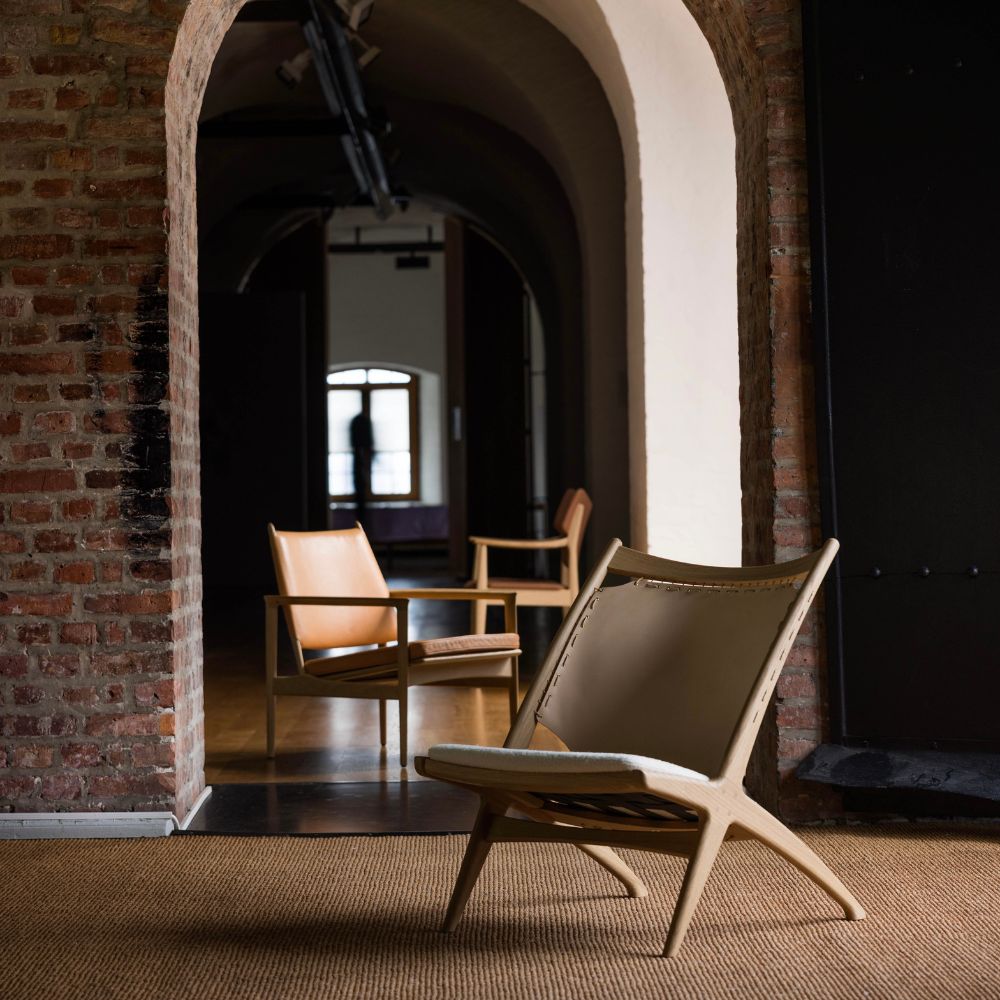
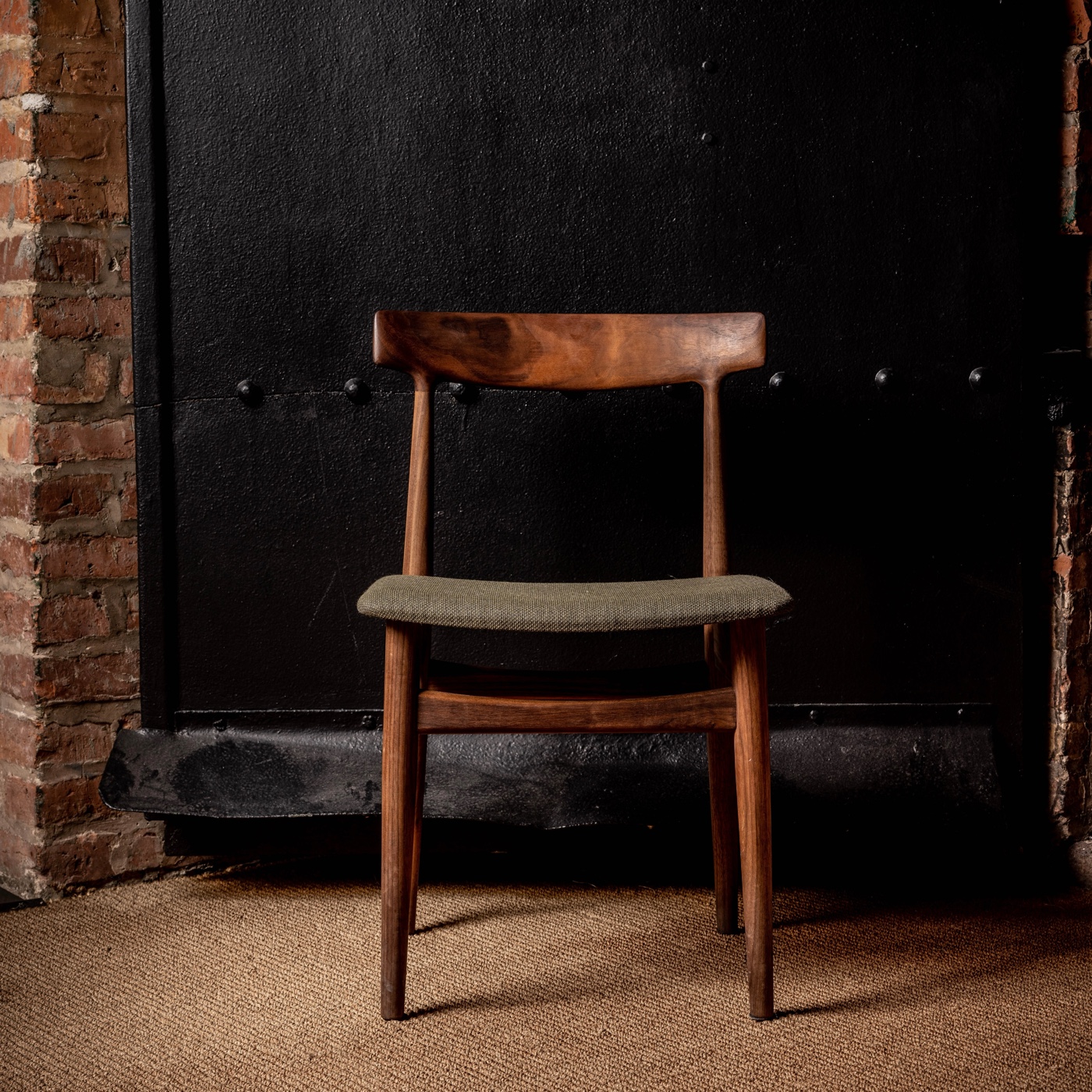
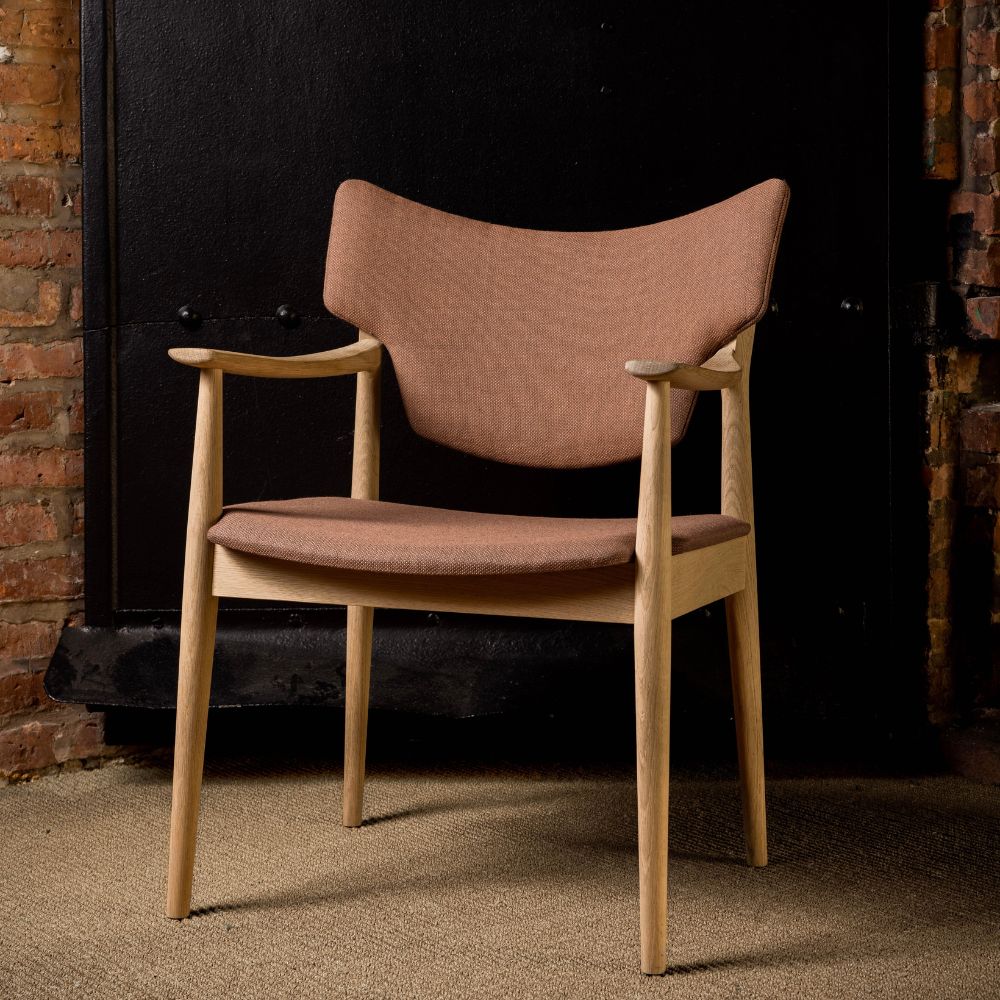
Over the past decade, furniture company Eikund have been on a mission to bring forgotten Norwegian design classics back into production. Sharing and celebrating iconic works by masters such as Fredrik A. Kayser, Torbjørn Afdal, Sigurd Resell, Sven Ivar Dysthe, and Torbjørn Bekken, their collection of long-lost tables, chairs and objects ensures these precious pieces remain relevant, lived with, and appreciated for generations to come.
A bridge between Norway’s past and its future, every Eikund piece carries with it a story, one that blends heritage, craftsmanship and a deep cultural DNA that continues to resonate far beyond its Nordic origins.
So, after a super successful trip to London as part of the Norwegian International Collection during Clerkenwell Design Week, I sat down for a chat with COO and Co-Founder, Morten Hippe to find out more about Eikund, and where their treasure hunt will take them next.
Over to Morten to tell me:
Can you start by telling us the backstory of Eikund, and why what you do is so important?
We started Eikund in May 2016 with the ambition of gathering the very best pieces from Norway’s golden era of design together. Many of these works are from the 1950s and 60s, and despite their exceptional quality and originality, they were at risk of disappearing from collective memory. From the beginning, we felt a strong responsibility not only to preserve them, but to rebuild visibility around a design heritage that had never fully been given international recognition.
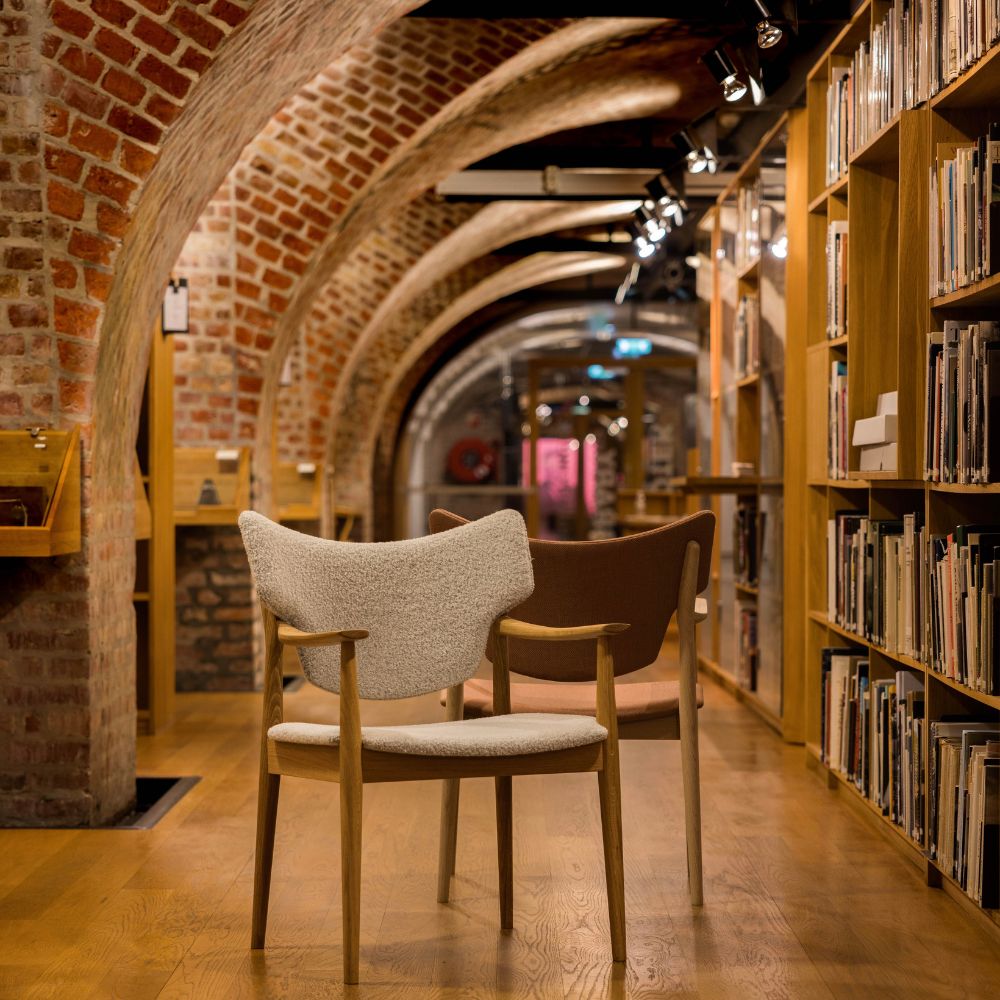
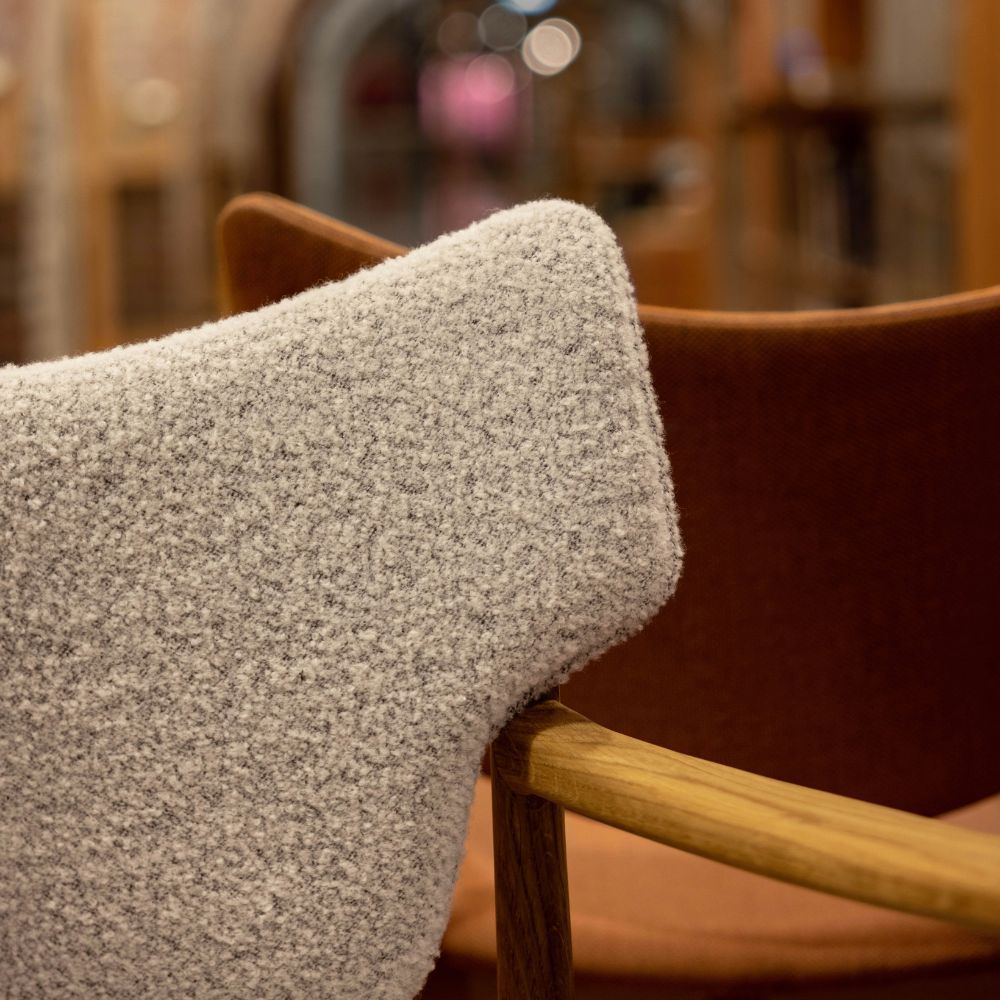
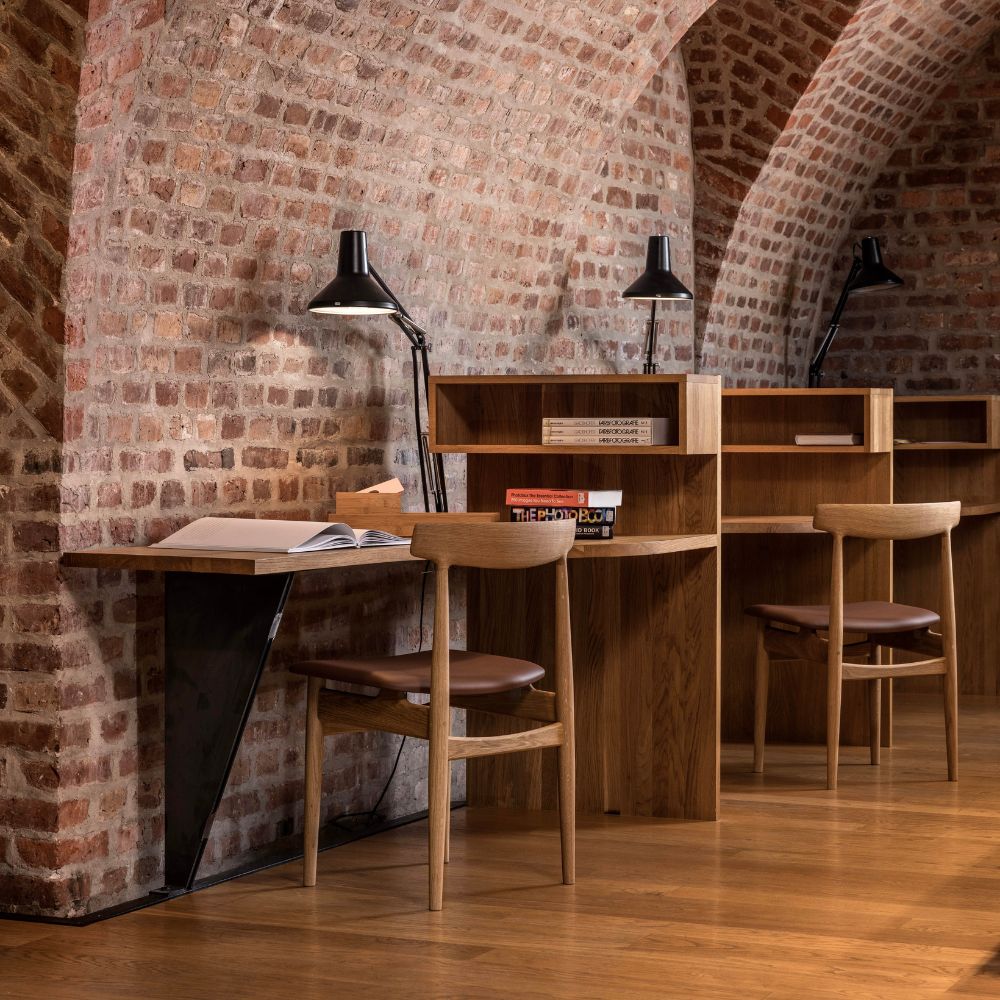
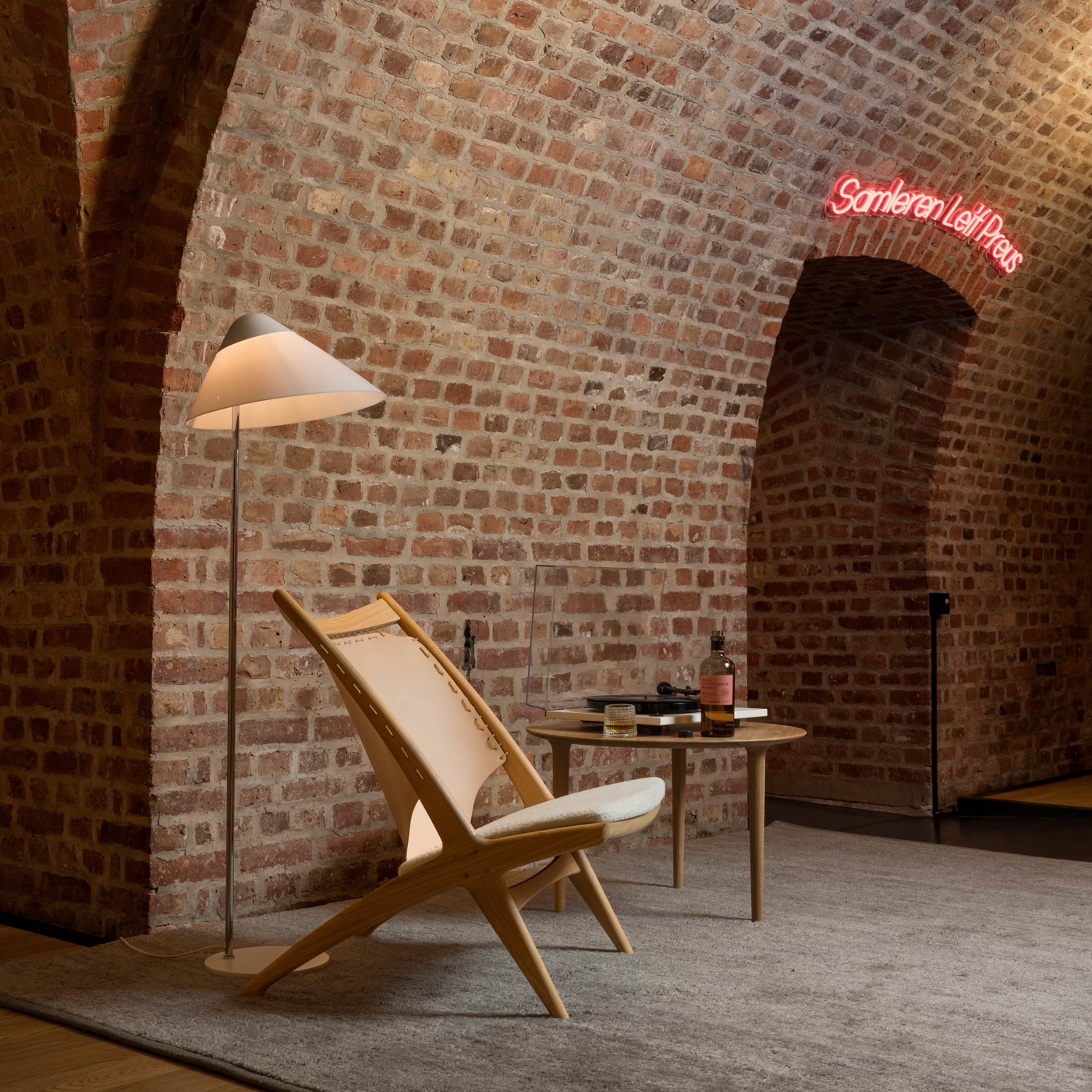
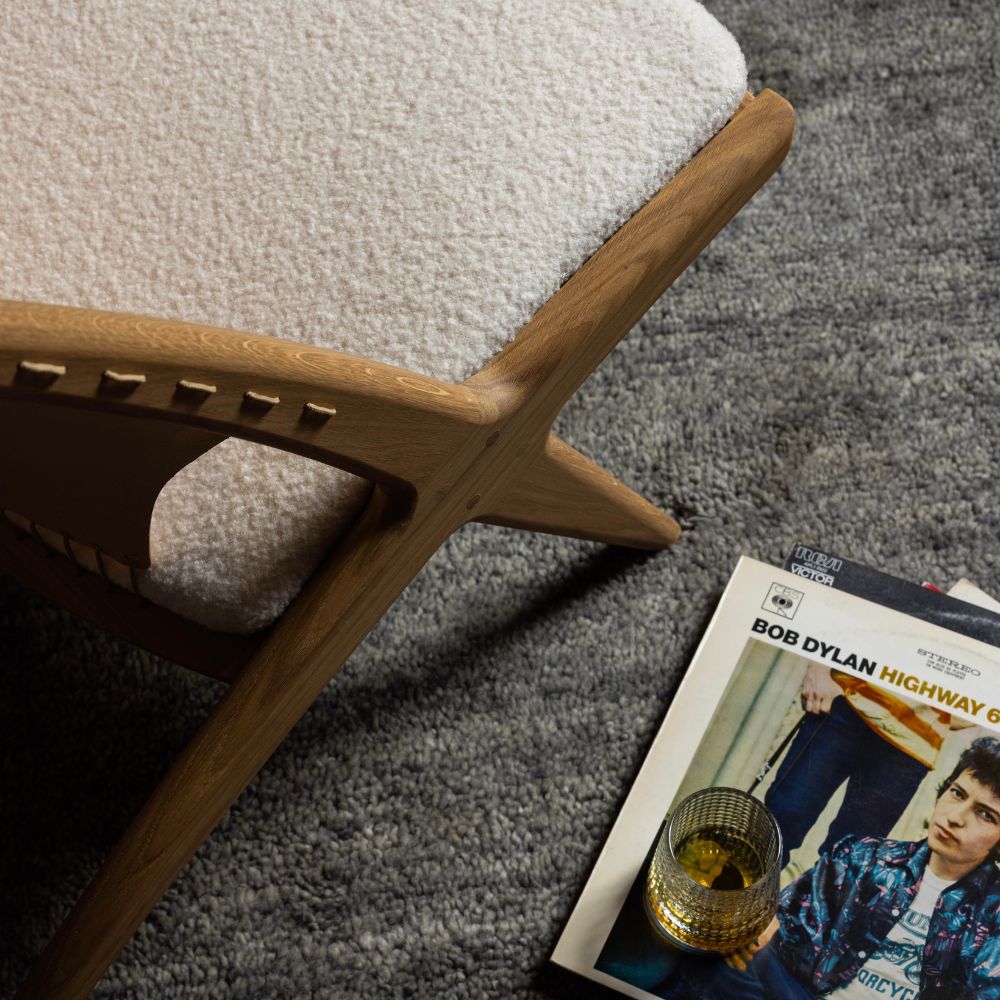
Over the past decade you’ve gathered the very best of Norwegian mid-century design under one brand. But what for you has been your luckiest find so far?
One of the most unexpected and rewarding discoveries must be the Condor chair by Bendt Winge. After years of dead ends, we eventually discovered that a Japanese collector had acquired a rare prototype from the Winge family.
Not long after reaching out to the collector, Noritsugu Oda, we received a reply confirming that he was indeed the owner of the chair, he had immediately understood what we were trying to achieve and became deeply engaged in the project. He even went on to create a new 1:1 hand-drawn sketch based on the original chair, detailed enough to enable an accurate reconstruction, and enabling us to bring the Condor chair back into production.
When it comes to tracking down these forgotten gems, how and where do you start looking? And what lengths have you gone to, to get it back into production?
Our intention at Eikund was never just to relaunch furniture, but to preserve a cultural legacy. Every piece demands deep research and close collaboration with rights holders and families, often resembling a kind of design archaeology, moving through archives, museums, original drawings, and the occasional surviving prototype. In some cases, the documentation has been almost entirely lost, making the reconstruction of the story is just as important as the object itself.
Reaching the right person always feels like a small victory in itself. The response is almost always warm and enthusiastic. Rights holders tend to genuinely appreciate what we’re doing at Eikund and are often eager to help preserve this heritage and bring these forgotten gems back into view.
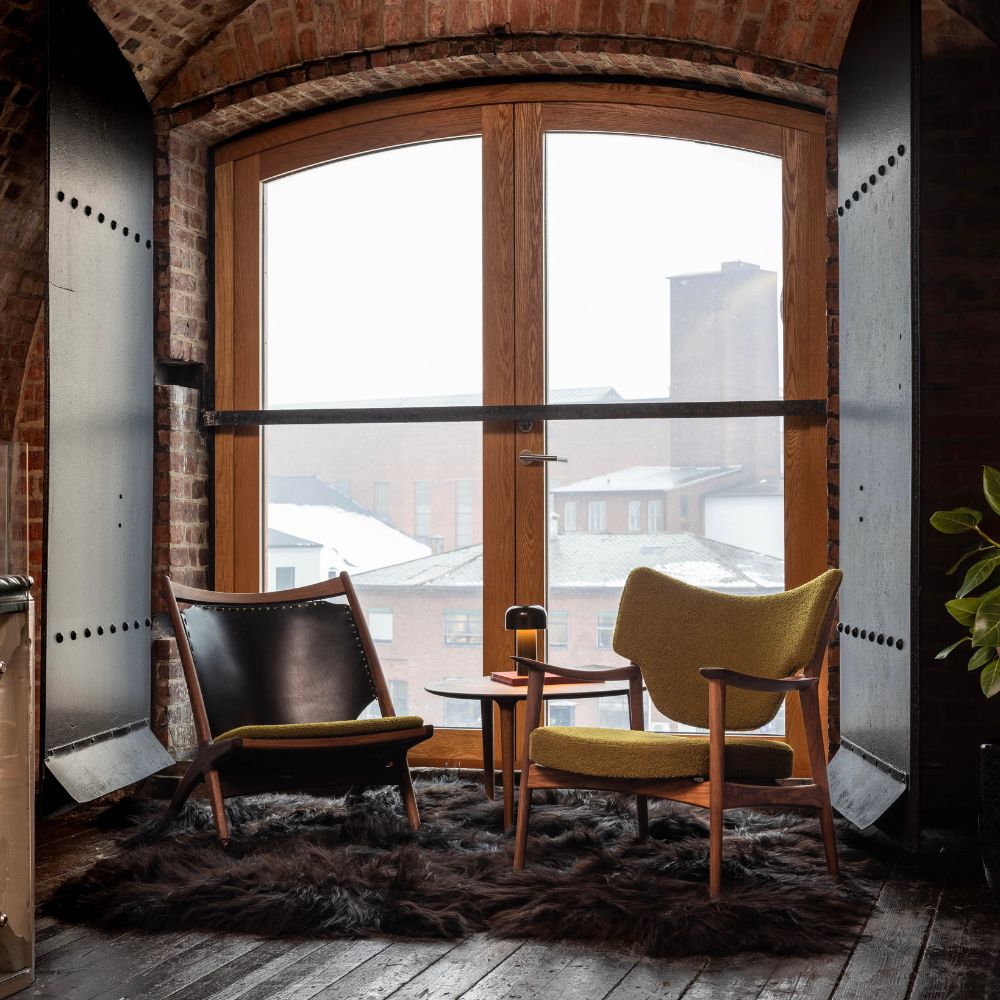
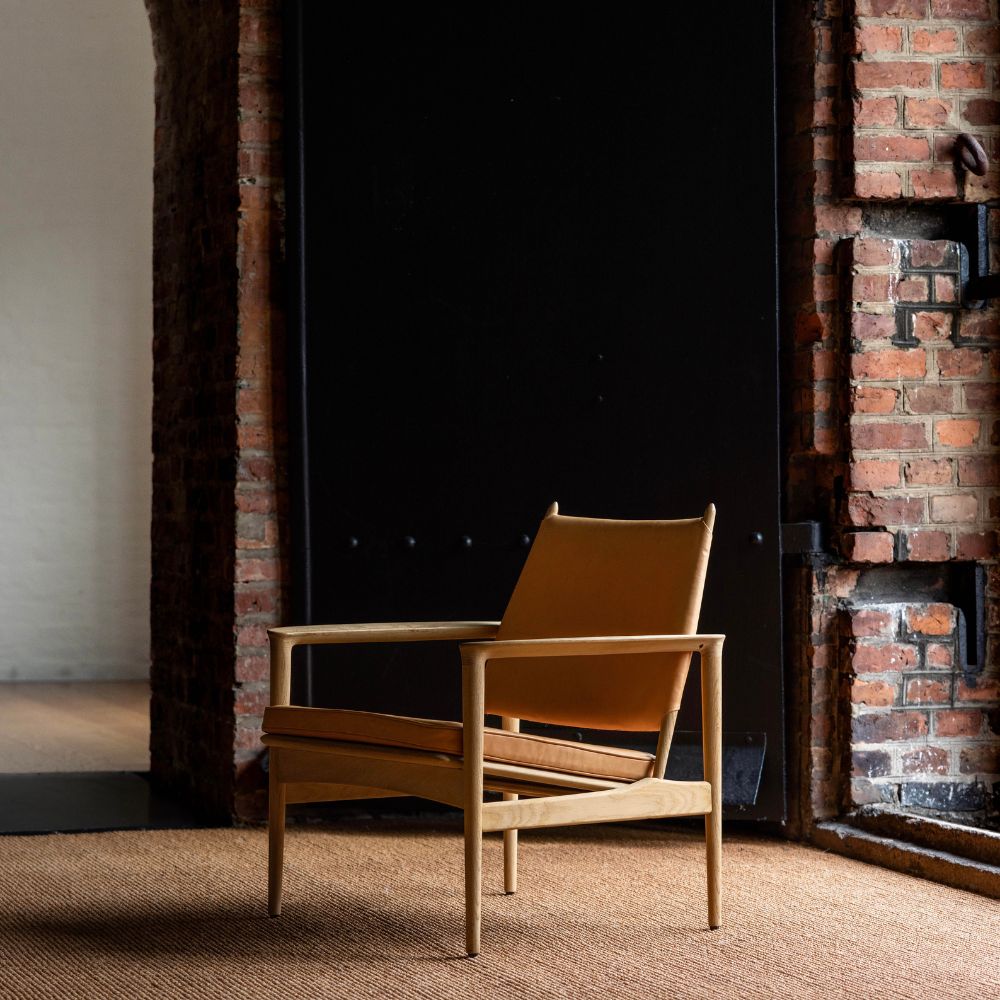
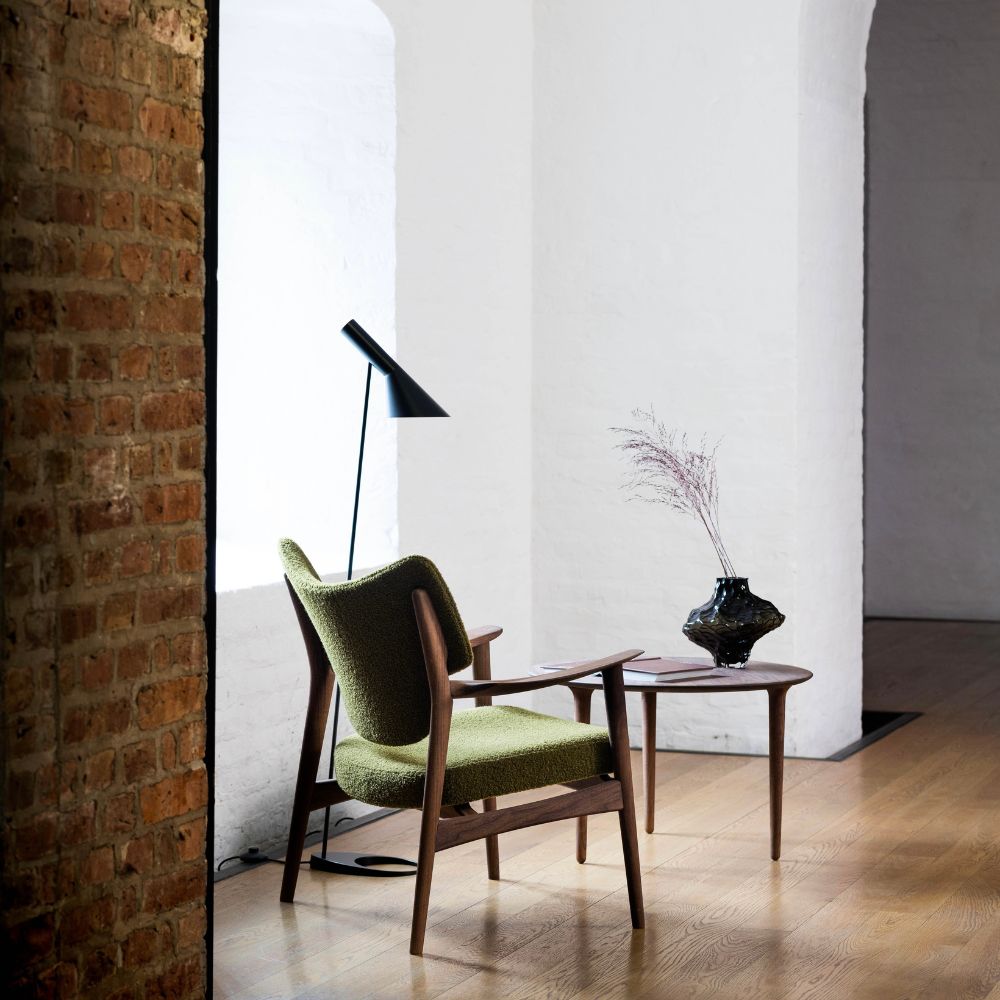
What for you sets Norwegian design apart from its Nordic neighbours, and how do these values continue to shape Eikund today?
Norwegian design has often been the quieter voice, but that doesn’t make it any less significant. Deeply rooted in its geography and history, its traditions such as weaving, furniture making, and the decorative arts are embedded in everyday life here.
A combination of constructional honesty and functional clarity, Norwegian design shares the Nordic love of simplicity and purpose but allows more room for sculptural interpretation and emotional presence in its materials and form.
Finally, what ‘treasure’ are you in the process of bringing back at the moment?
While we prefer not to reveal too much, what we can say is that there are still many remarkable discoveries to be made, and that sense of ongoing exploration is what continues to drive us.
Our work is constantly moving between archives, families, collectors, and forgotten references. Some projects come together relatively quickly, others require years of careful investigation, but what excites us most are the pieces that still feel unexpectedly contemporary — designs with strong proportions, sculptural confidence, and that unmistakable sense of material honesty only found in Norwegian mid-century work.
Want to know more?
Thanks again to Morten for chatting with me, I look forward to further following the Eikund treasure hunt.
To find out more about Eikund, visit their website.
All images courtesy of Eikund.
Enjoyed this post? Then read my insider’s guide to Oslobukta, a new neighbourhood at the heart of the Norwegian capital, that’s proving heritage and modernity can combine to create something completely unique.


Leave a Reply