
When I began this blog a decade ago, I could never have imagined how many fellow Brits it would introduce me to who felt just as passionately as myself about living, working and traveling in the Nordic region.
One such example is the designer John Astbury, who since leaving his native Birmingham to study at the Konstfack University of Arts, Crafts and Design in Stockholm, has gone on to collaborate with much-loved names including &Tradition, Wendelbo and Muuto.
Yet there is one design house John has returned to more than any other, New Works, and it was while on his way back from Copenhagen to meet with them last week that we chatted about one of his most prominent furniture collections, Atlas.
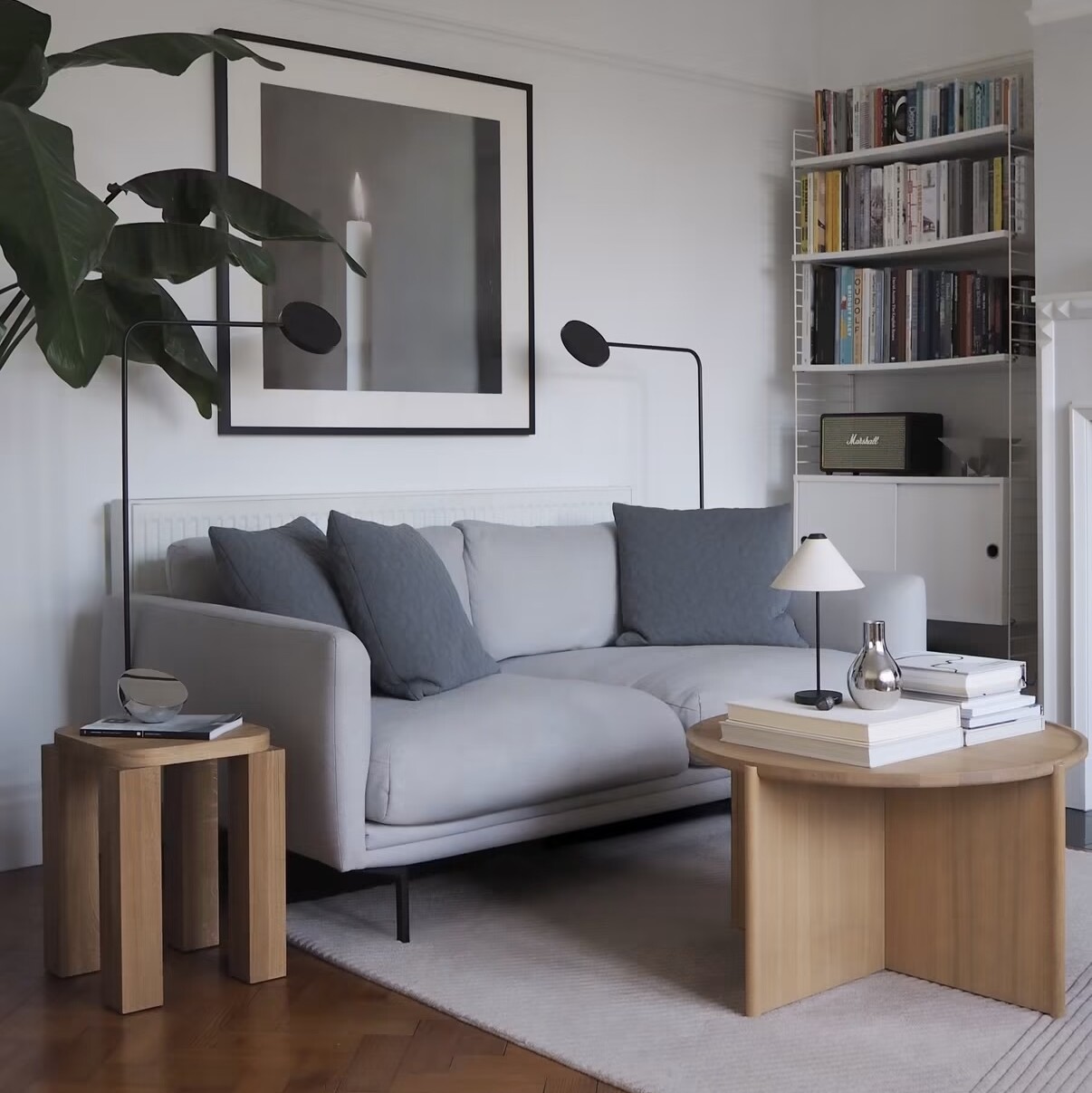
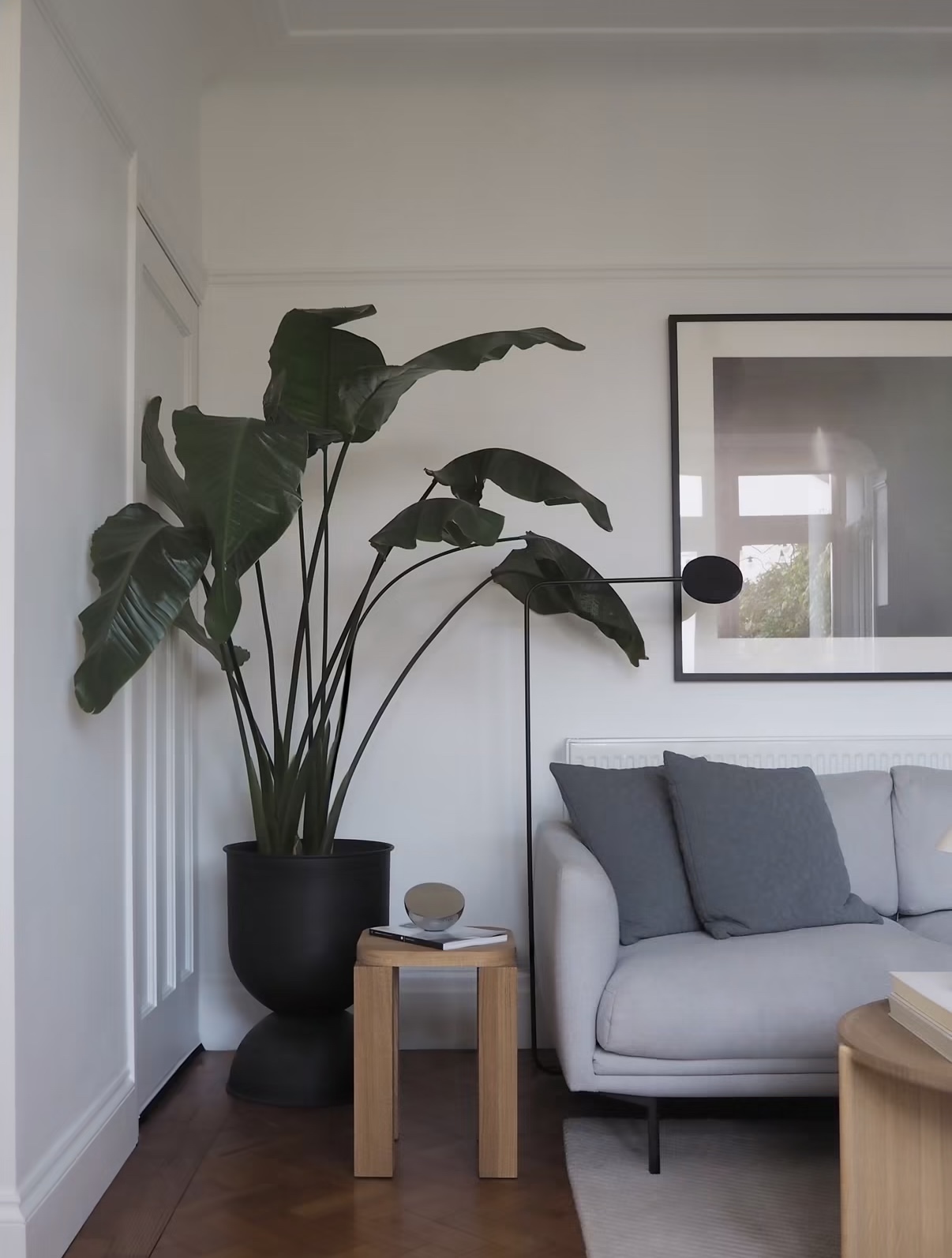
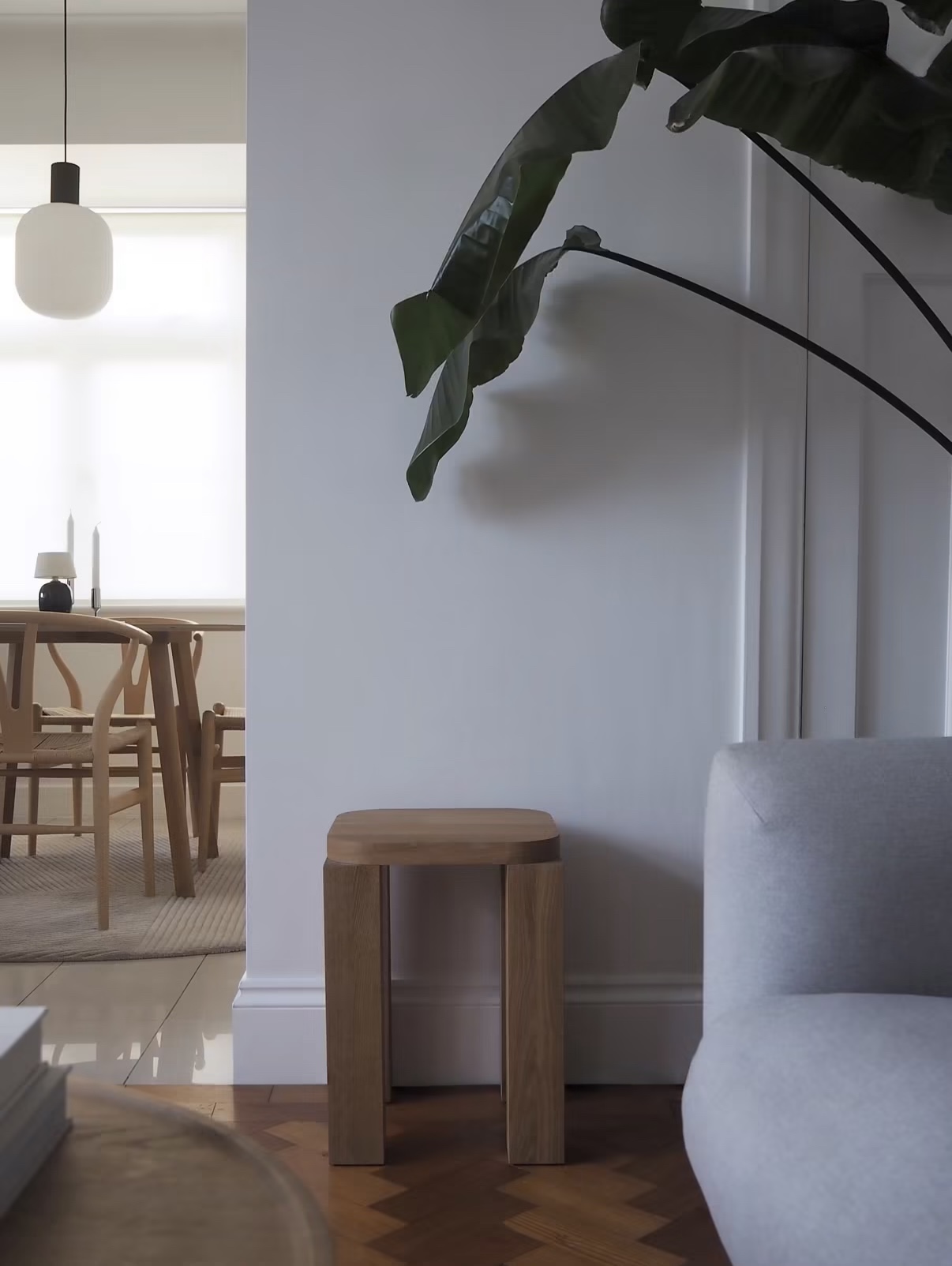
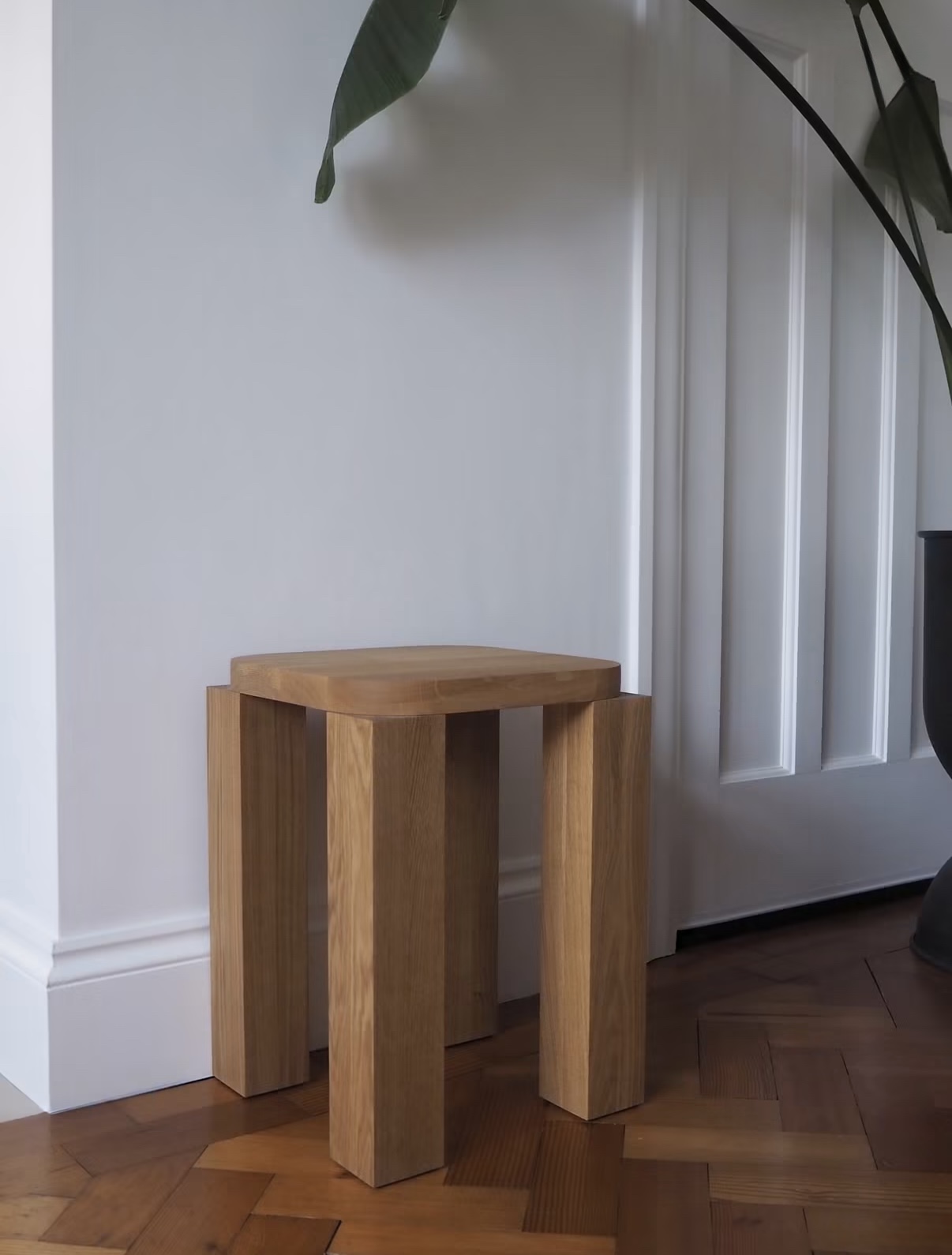
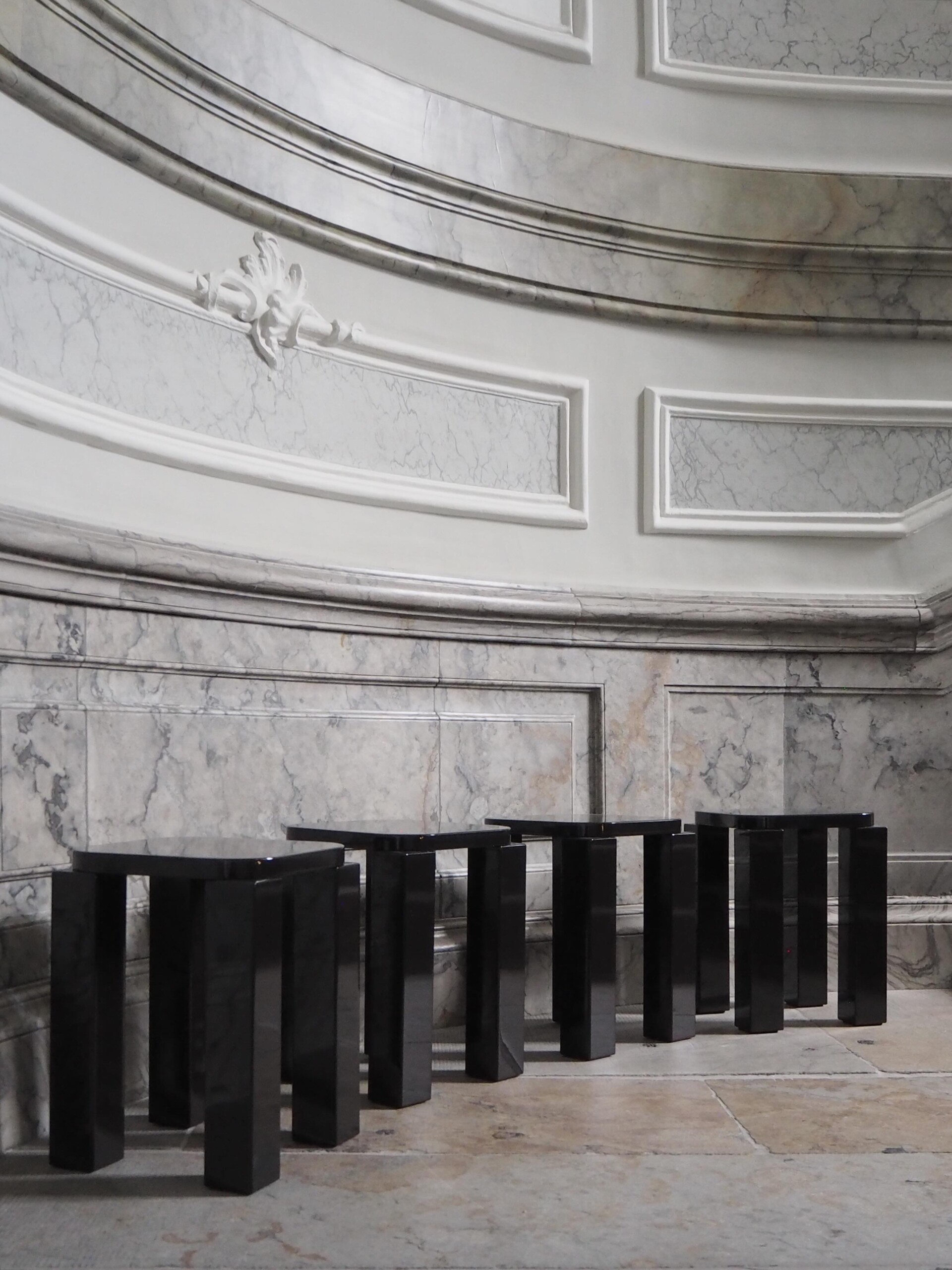
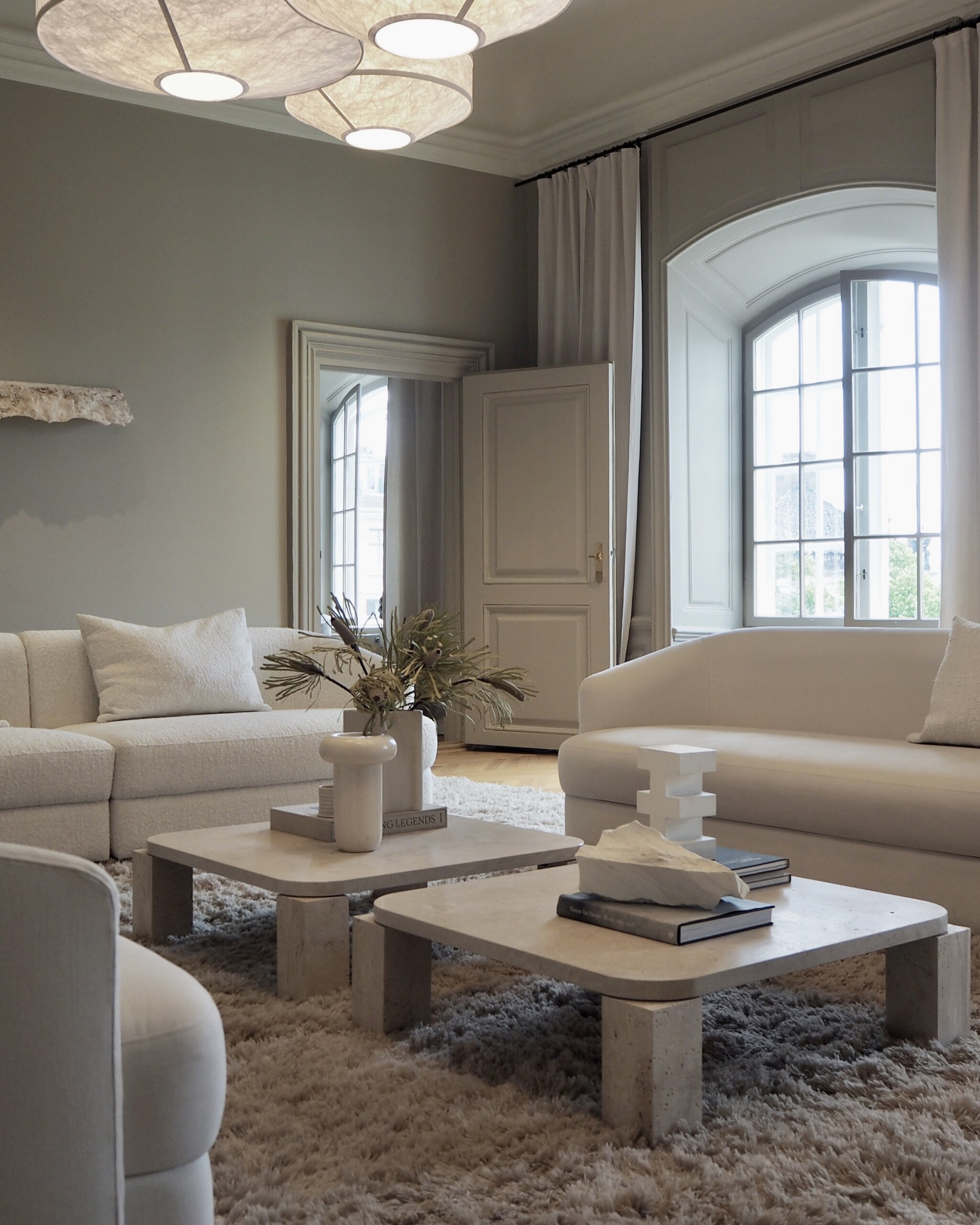
Named after the mythical Titan fated with holding the heavens on his shoulders, Atlas was first launched as a coffee table back in 2022. Since then, it has grown to include a dining table, stool, bistro table and bench, with all available in multiple materials and now, as seen for the first time at this year’s 3 Days of Design, a striking high-gloss lacquer too.
So, with lots to discuss, it’s over to John to tell us more:
Can you start by sharing a little about you, and how these experiences have shaped your work and who you collaborate with?
I had quite a messy route to design. I was always interested in architecture, furniture, and graphics, but I originally studied anthropology. It was an incredible subject, that challenged and questioned my perspectives, but it was my love of music that led me to design. Music was a big part of my life. I was playing in bands, producing records, making flyers etc and that whole experience really demystified the process of making for me. At that point I knew all I really wanted to do was to create furniture.
I moved to Sweden to study and it just felt right. Now, working with my studio in Stockholm I sense anthropology has come to the fore again. My process is a constant stream of notes, lists and sketches as I go, and it was in 2018 that I started collaborating with New Works. I had seen their launch at the Stockholm furniture fair and remember having a few conversations with them before I had even an idea to work on, so it’s wonderful to see where they are now and to have become part of that.
What was the original inspiration behind Atlas, and what elements for you remain central to the collection’s design?
As part of my creative process I often find there are motifs I keep drawing, not always knowing what object they will go on to belong to. For Atlas that was seeing this geometric pattern or motif as a structural element, specifically post lintel structures. Whether monolithic or ornate, they are such a fundamental part of the built world. So, trying to capture that essence and transfer its scale was the starting point.
After that it was more a process of un-developing the table, taking it back to its most basic components and elements. Exposing the meeting between leg and tabletop added to this sense of naivety and gave the original coffee table its distinctive characteristics.
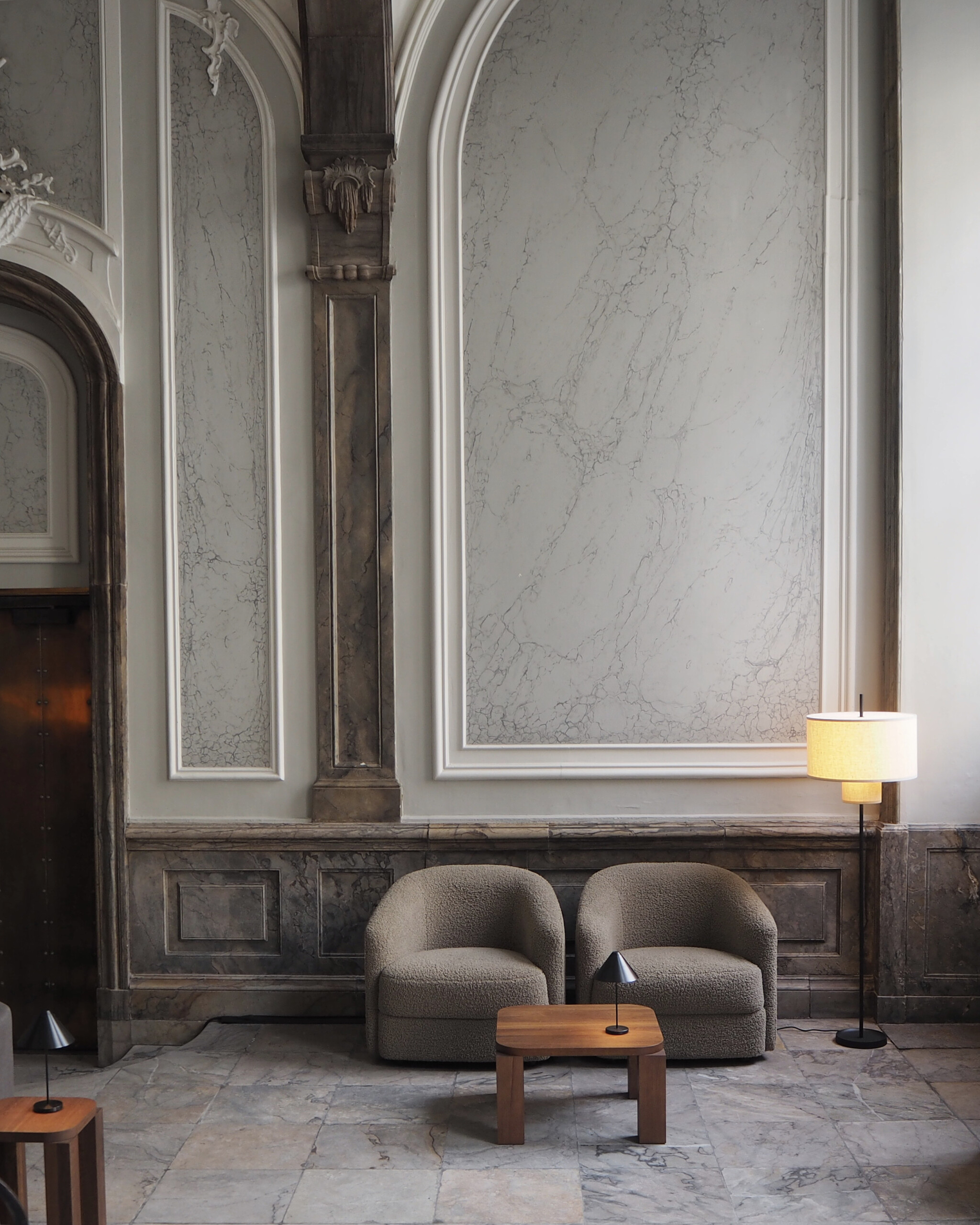
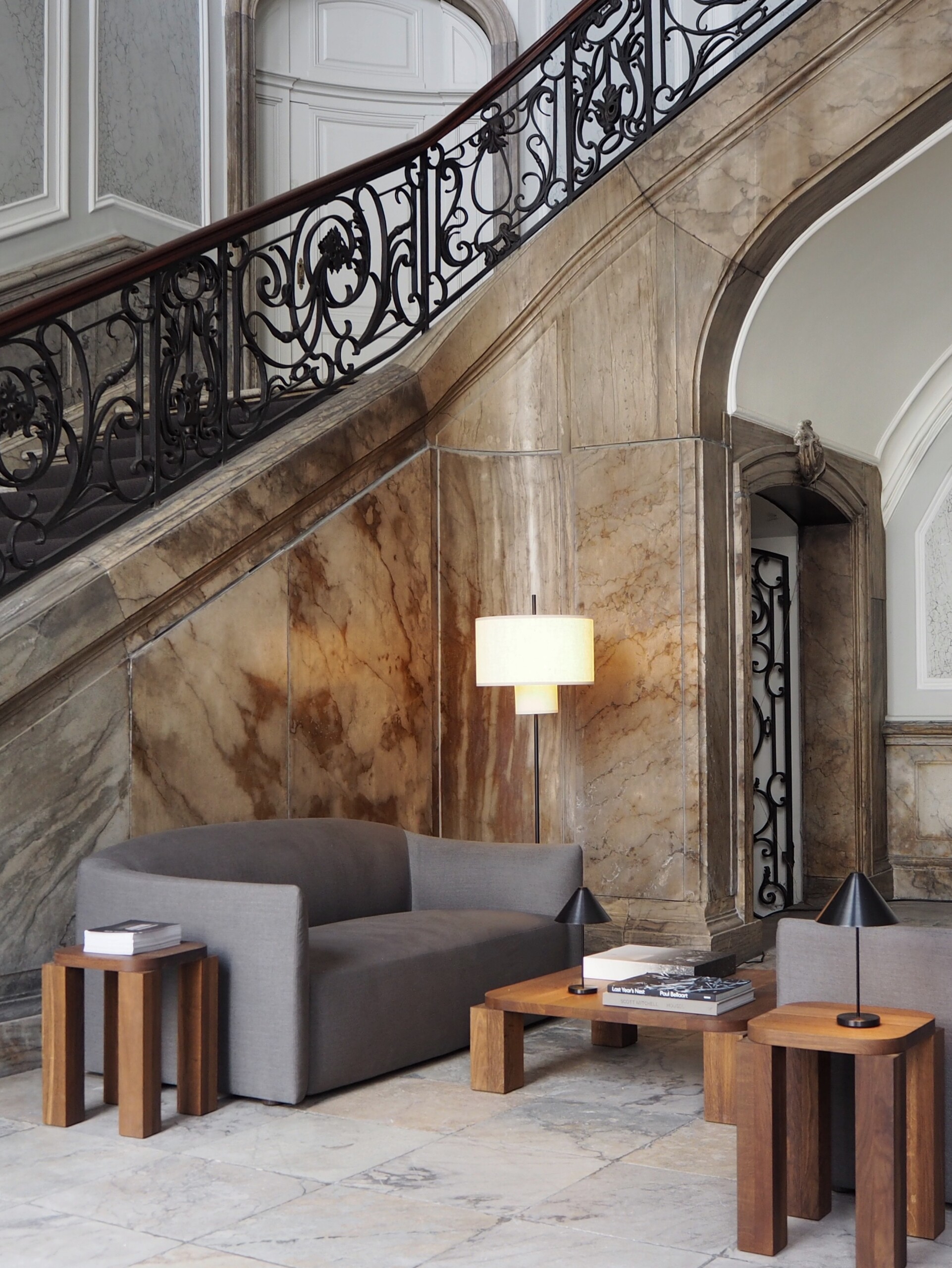
Having revisited and reimagined Atlas several times over the years, what do you feel these extensions have brought?
I remember thinking very early on that the elements of Atlas were something that could work across a family of products but believing and seeing are two very different things.
Having pretty much drawn most of the collection out before we’d even built the first coffee table, continuously collaborating with New Works on the collection’s development has been incredible. Throughout this process I believe each chapter has found a fresh expression. From marble to wood, the shifting of scale, and now with the introduction of the round and high-gloss lacquered finishes, this play between materiality and form fascinates me as a designer, and I think this series is a great example of how the two are very much entwined.
How do you ensure your designs remain relevant and lasting, considering ever-evolving trends and preferences?
If you want things to last you need to put the hours in now. Finding a balance or a resolved presence is also an essential aspect of my work, and I believe it is something that doesn’t shift so greatly over time. There are many elements in any piece, so trying to proportion these and play with them is where I spend a large part of the design process, and while my focus is on the now, on that object and that context, I think it is by paying attention to those moments that you will add longevity.
Finally, what are you currently working on, and what can we look forward to seeing next from you and New Works?
While I cannot reveal too much just yet, I can say I have just come from a visit to Copenhagen and things are looking good. New Works and I are currently putting the finishing touches on a furniture piece full of curves with not a straight line in sight and it is the perfect foil for Atlas.
Want to know more?
Thanks again to John for chatting with me, I’m looking forward to seeing what both he and New Works have been working on.
To find out more about Atlas and the pieces shown in this post, visit the New Works website.
All images by Nicola Capper.
Enjoyed this post? Then read my chat with Jay Osgerby about his latest launches for Fredericia.


Leave a Reply