
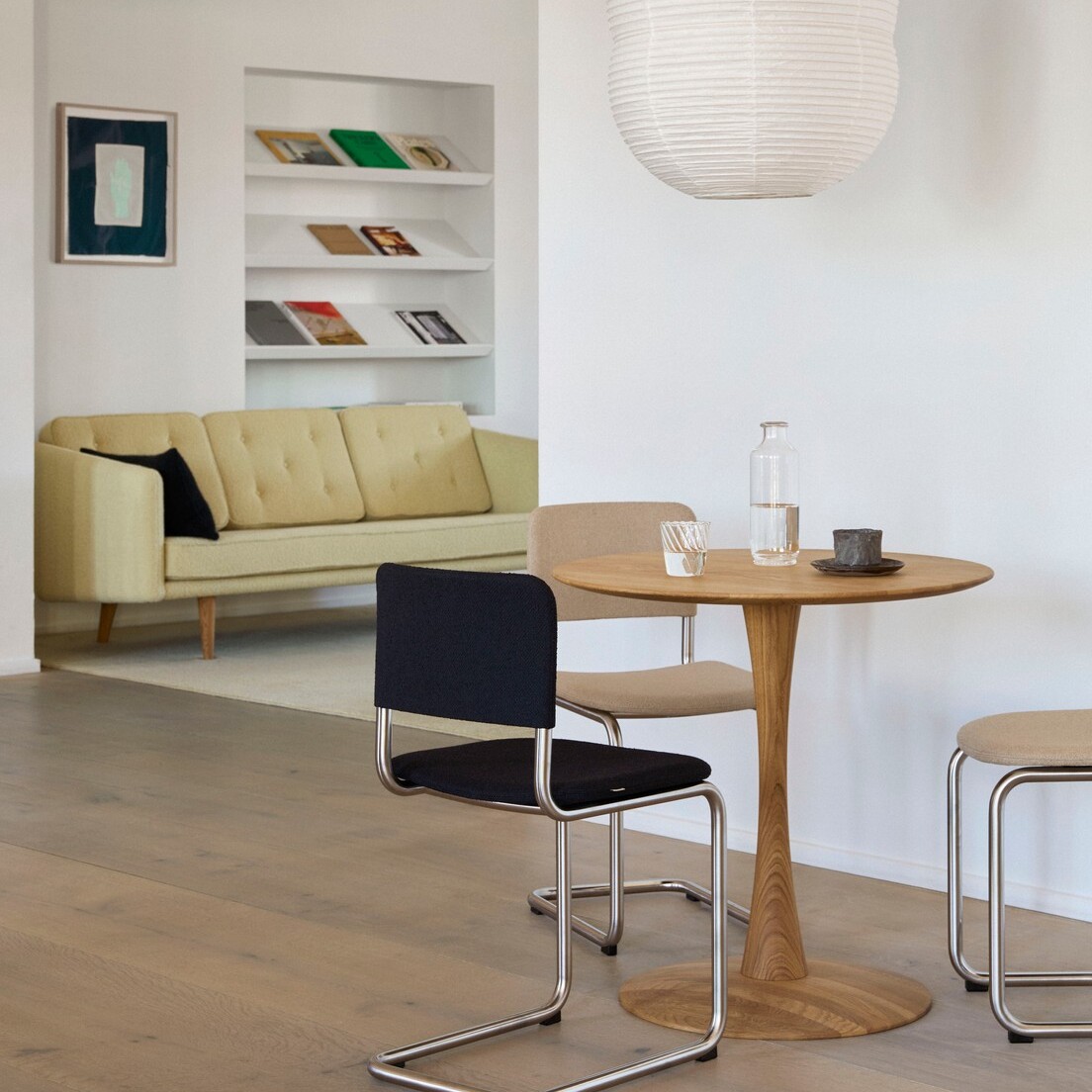
I don’t think I was the only design fan who was sad to hear back in May that after three decades together, Edward Barber and Jay Osgerby announced they would be closing their London studio at the end of this year. But, let’s be honest, if you’re going to leave on a high, what better way to do so than by releasing not one, but two new chairs for Fredericia.
First launched in 2022, their highly regarded Plan Collection perfectly pairs Barber Osgerby’s innovative approach with family-owned Fredericia’s proud heritage. Bridging the gap between home, hospitality, and workspace environments, refined industrial simplicity and human-centred comfortable curves; since then, it’s expanded to include armchairs, barstools, modular tables, column tables, and the Plan Wood Series.
So, with the final two additions, the Plan Cantilever and Plan Studio Chair available this week, I just had to chat with Jay to find out more:
Can you start by telling us the backstory of the Plan Collection and what values you feel define it?
Edward and I trained as architects, and I think that still shapes how we approach a chair. We tend to think about the structure first and the space it sits in and then work out how to make it comfortable for the person using it. With Plan, the ambition was a family of chairs and tables that could work almost anywhere, from a busy brasserie or meeting room to someone’s kitchen at home. Fredericia has an extraordinary heritage in upholstery and woodworking, and we wanted to bring that craft together with our own industrial design approach.
For us, its defining values are clarity, good materials and longevity. Every component can be taken apart, repaired or re-upholstered, so the pieces can stay in use for decades rather than years. Underneath all of that is something we talk about a lot in the studio, which is the idea of daily joy. Furniture you use every day should make that day a little better.
How did these latest additions come about and what elements were you most excited about developing further?
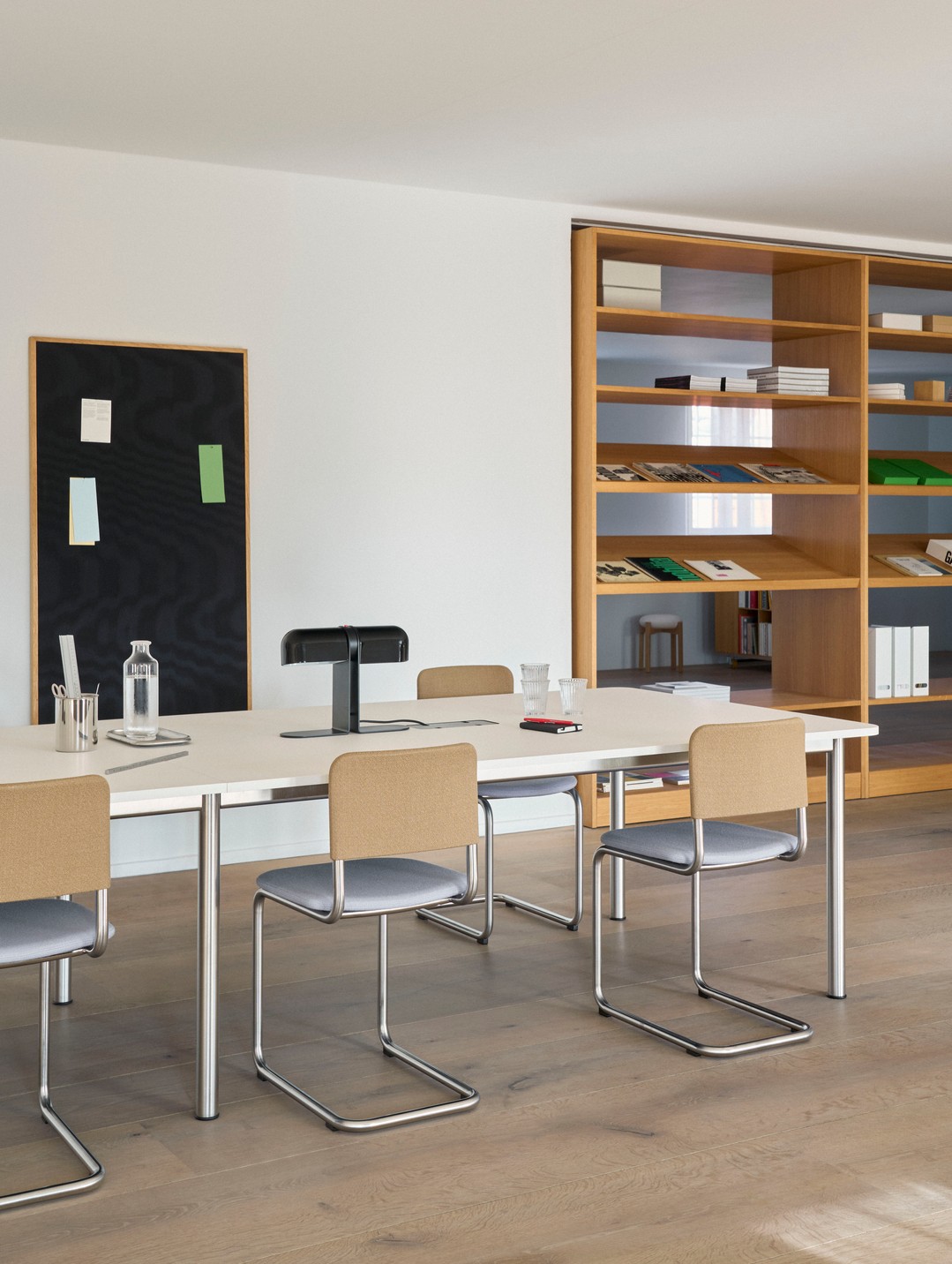
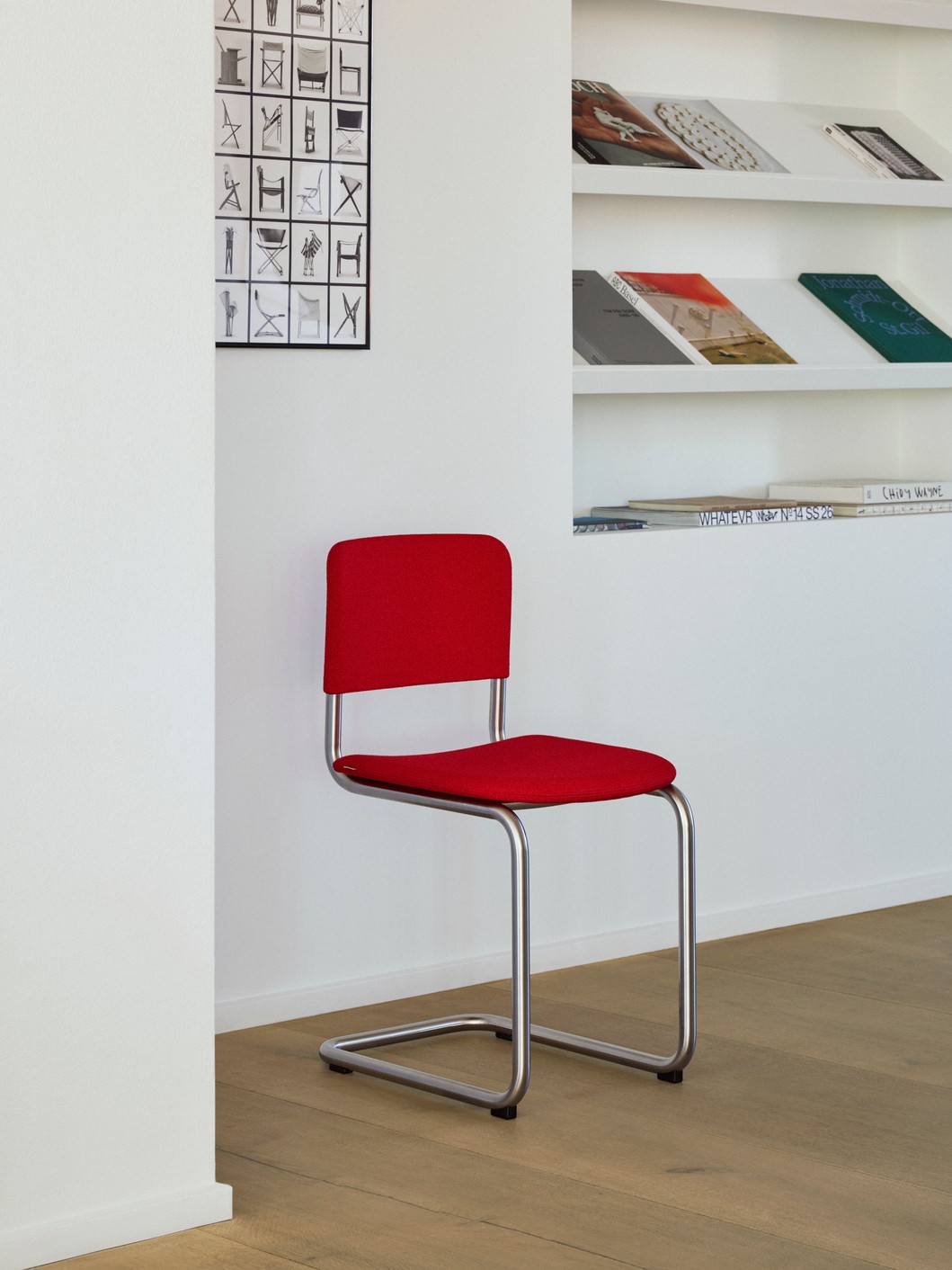
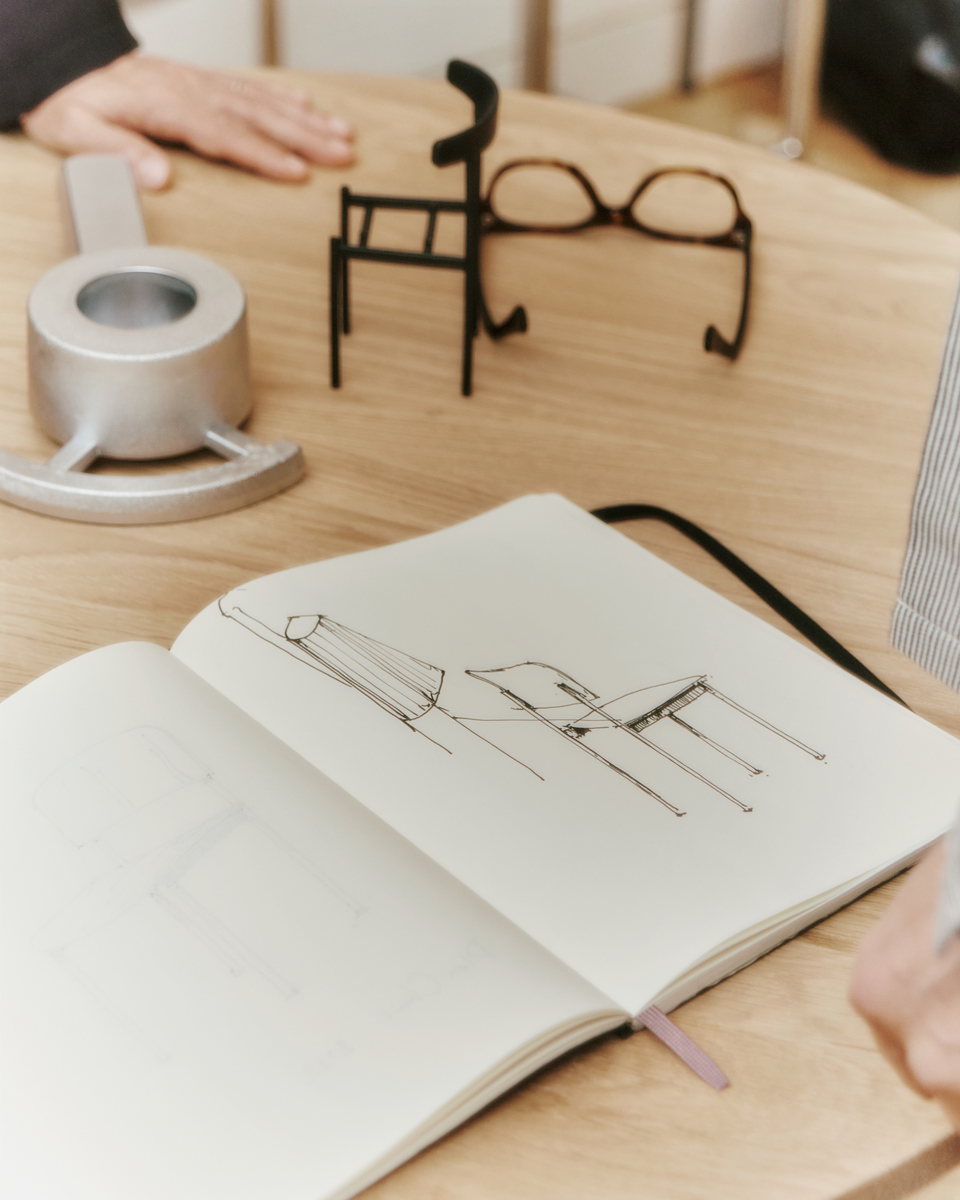
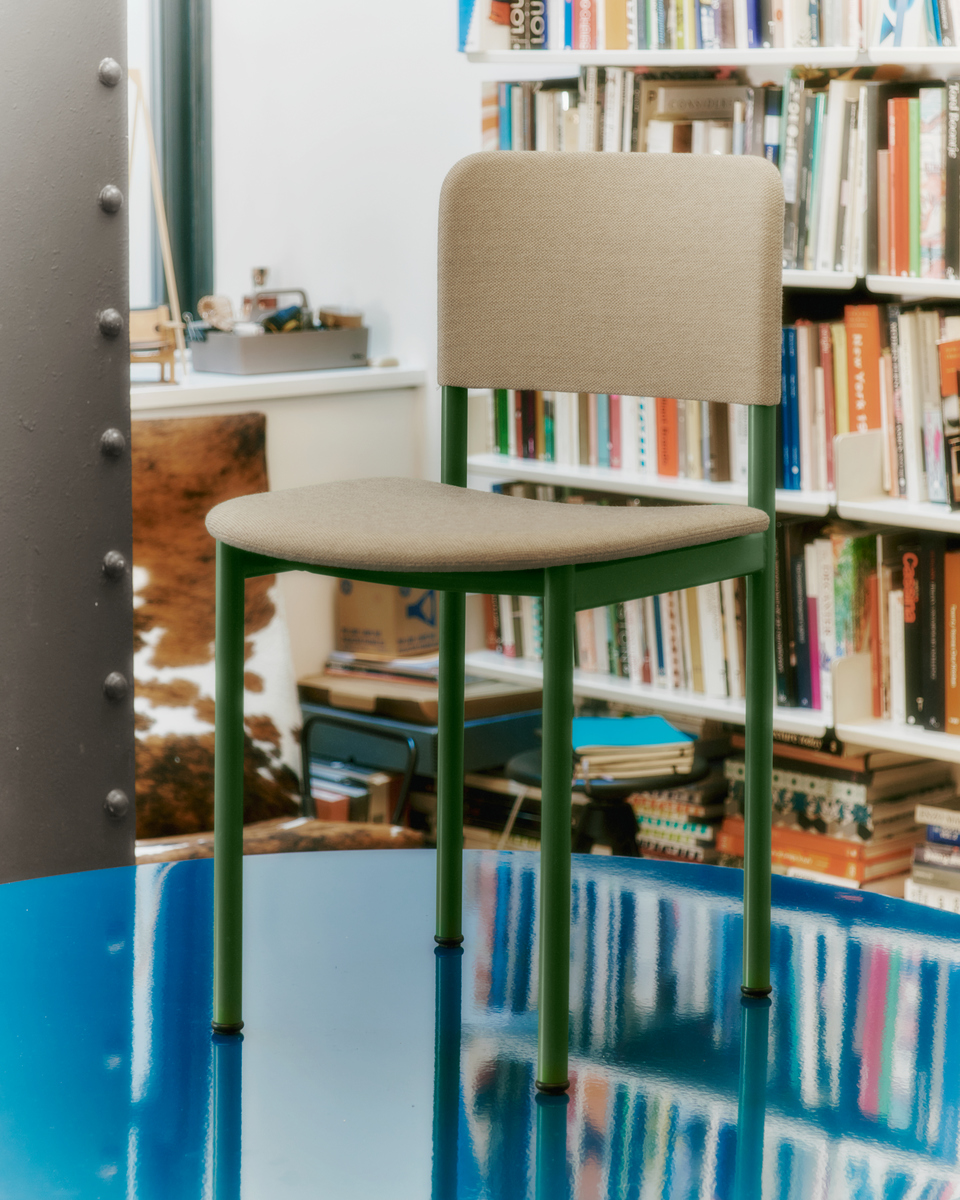
Plan Cantilever started with a very simple question: what happens if we take the back legs off? It’s the first cantilever chair we’ve ever designed, which surprises people after thirty years, and it really did almost draw itself. Everything it needed was already there in the original Plan Chair. What excited us was the movement. A cantilever gives a little when you sit in it, so the chair responds to you rather than just holding you up. Edward has always loved that small bounce. The other thing is the view from behind. Chairs spend most of their lives tucked under tables, so the back is what you actually see, and without rear legs the seat looks as if it’s floating.
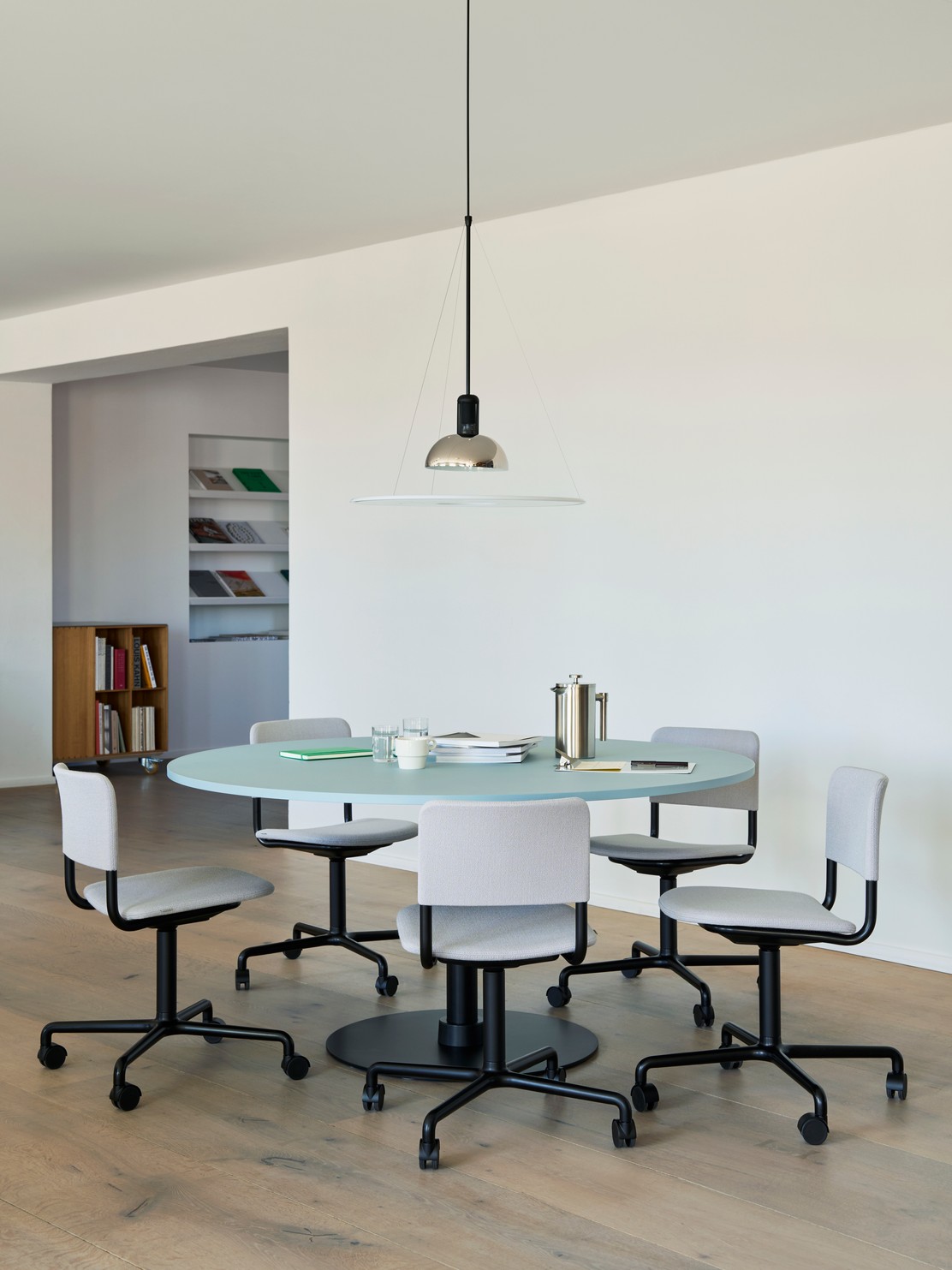
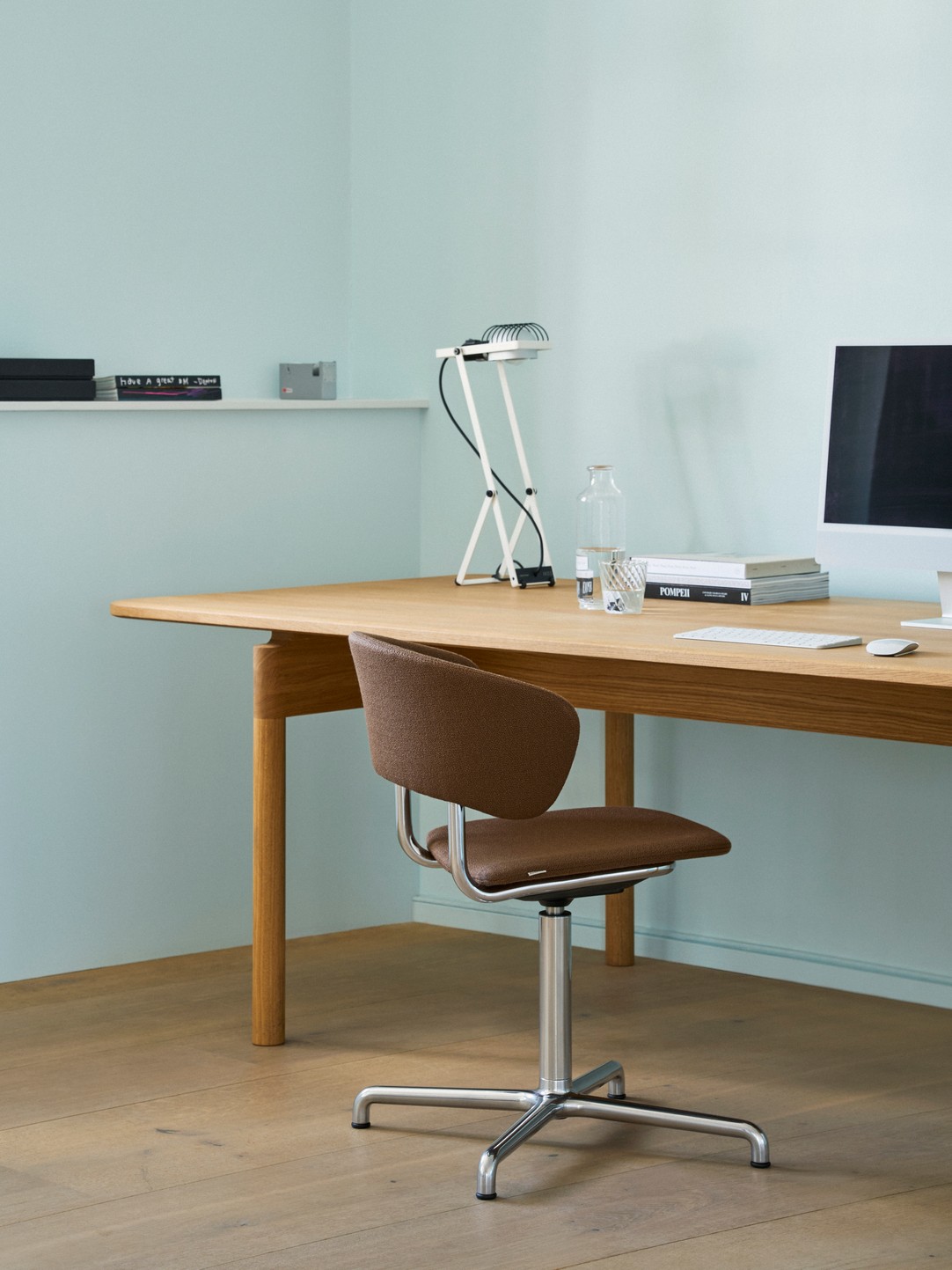
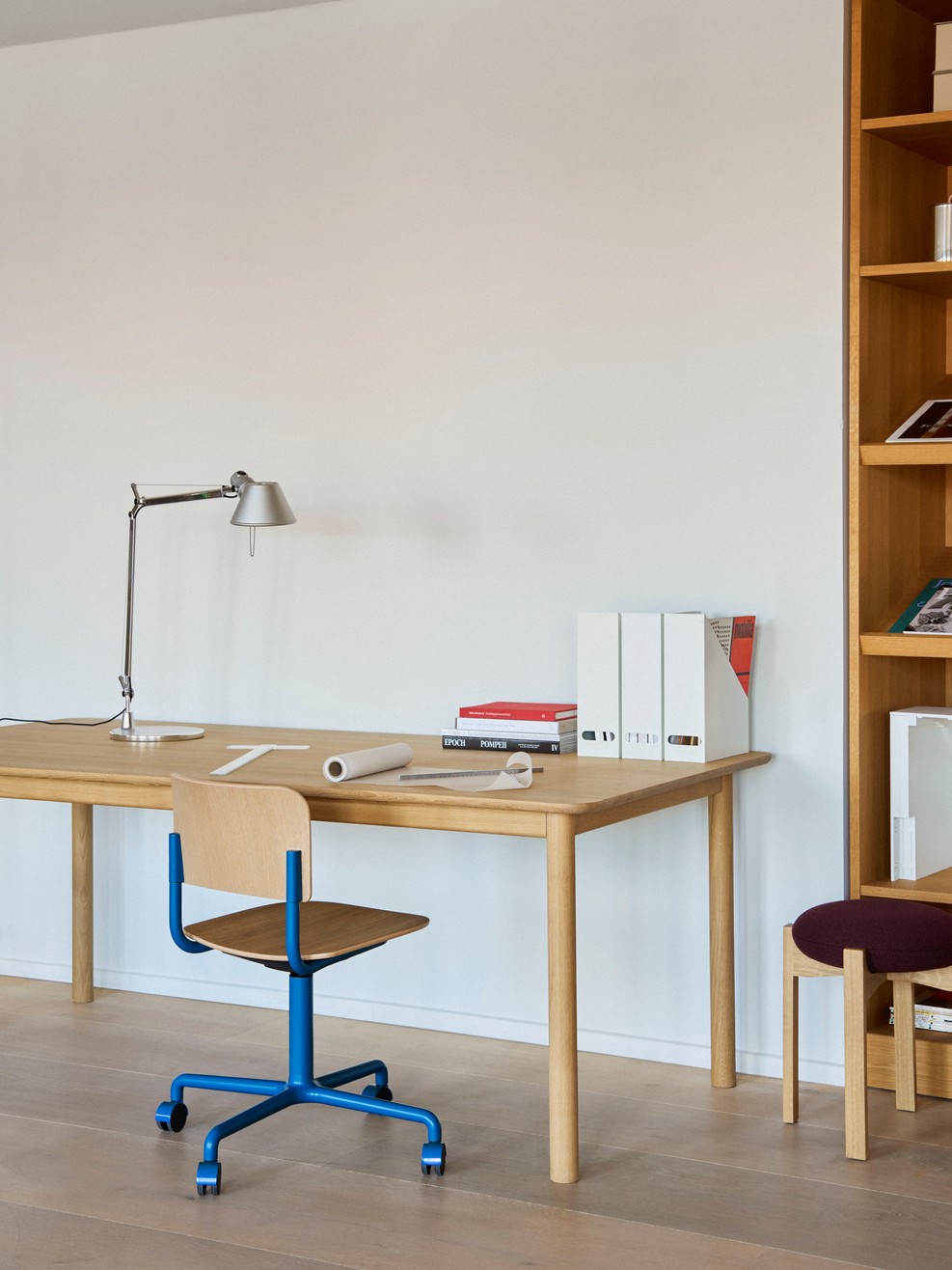
The Plan Studio Chair came from a different need; people wanting a Plan chair for longer working days at a desk, with more adjustability. Between them, they push the collection into new ways of sitting while keeping the same language.
What challenges did you then face in bringing these pieces to life while still reflecting that unmistakable original design?
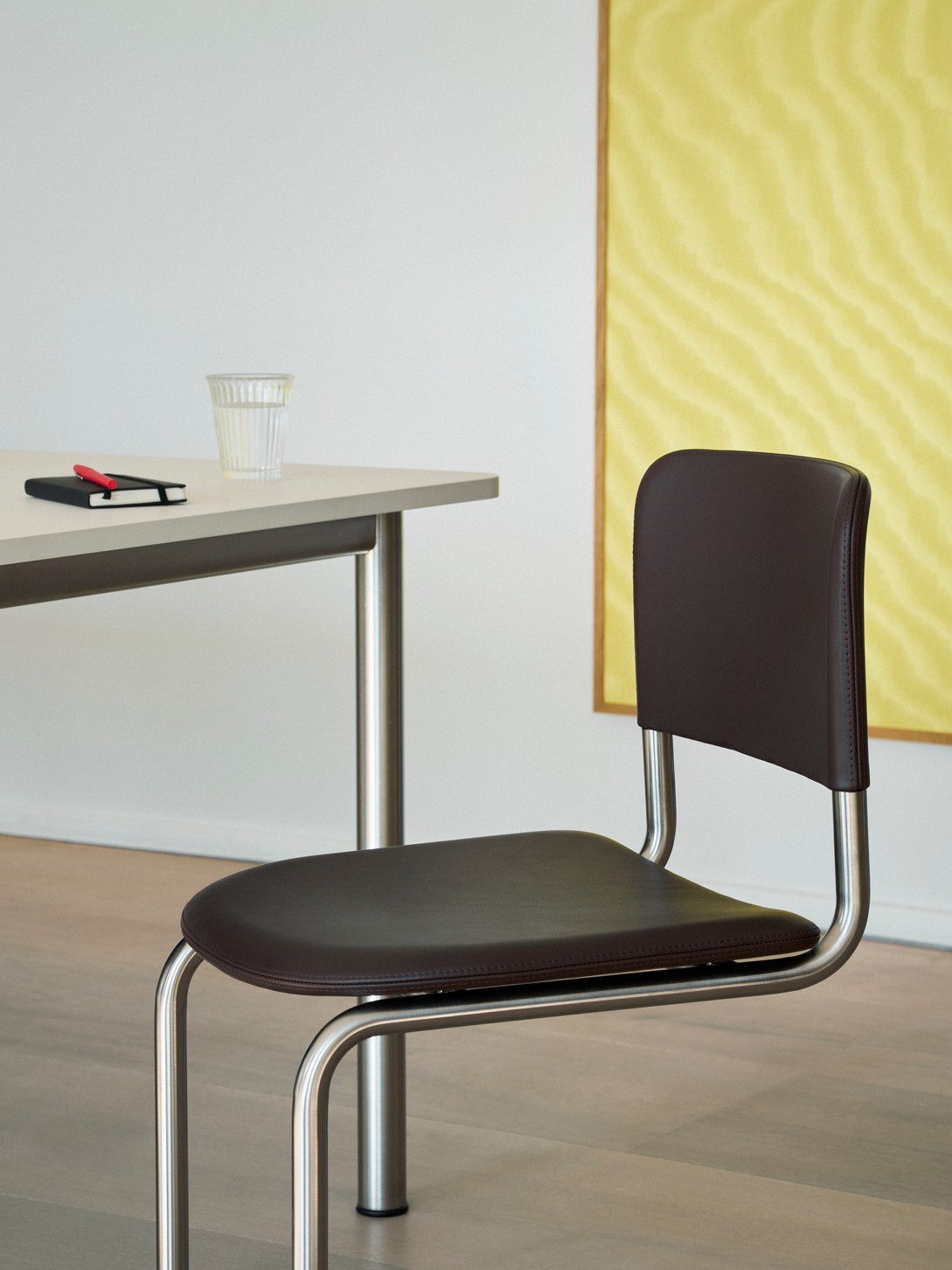
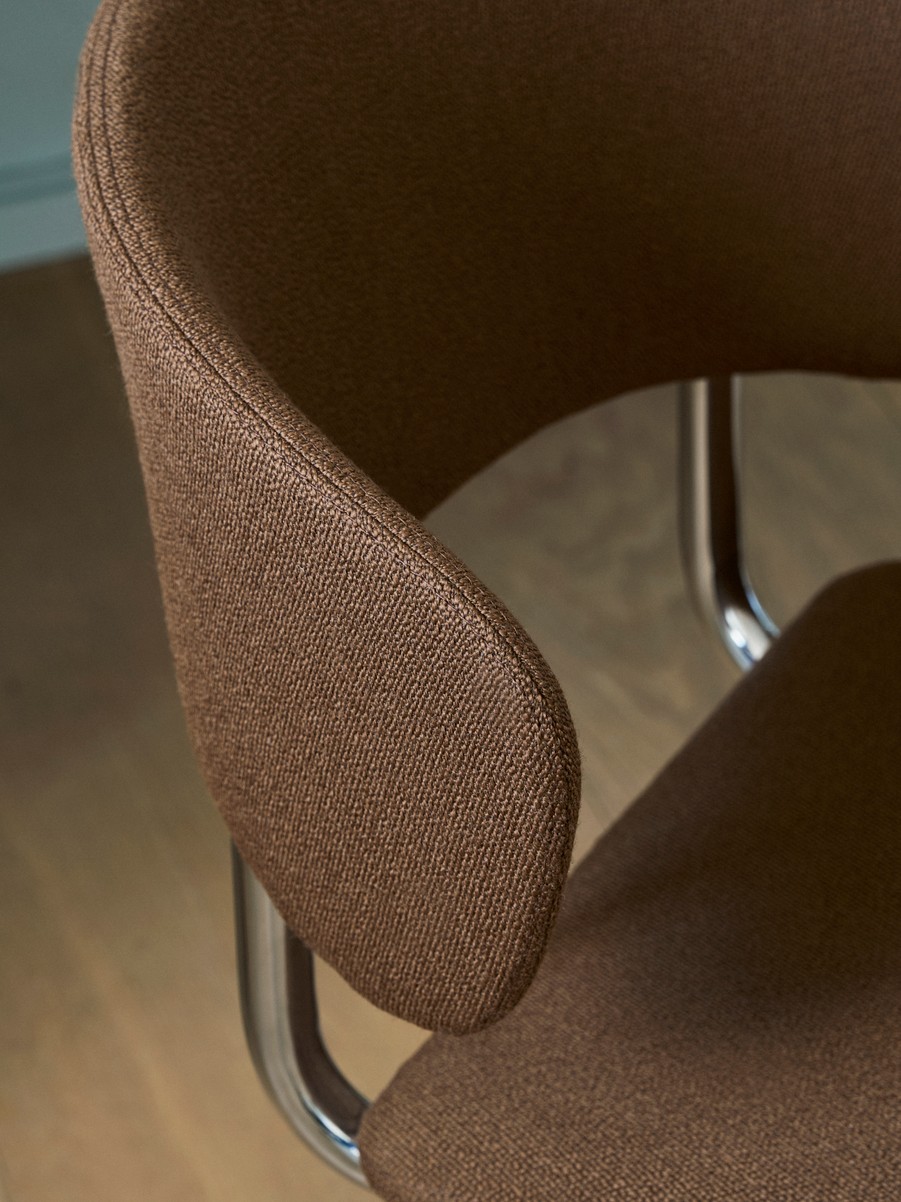
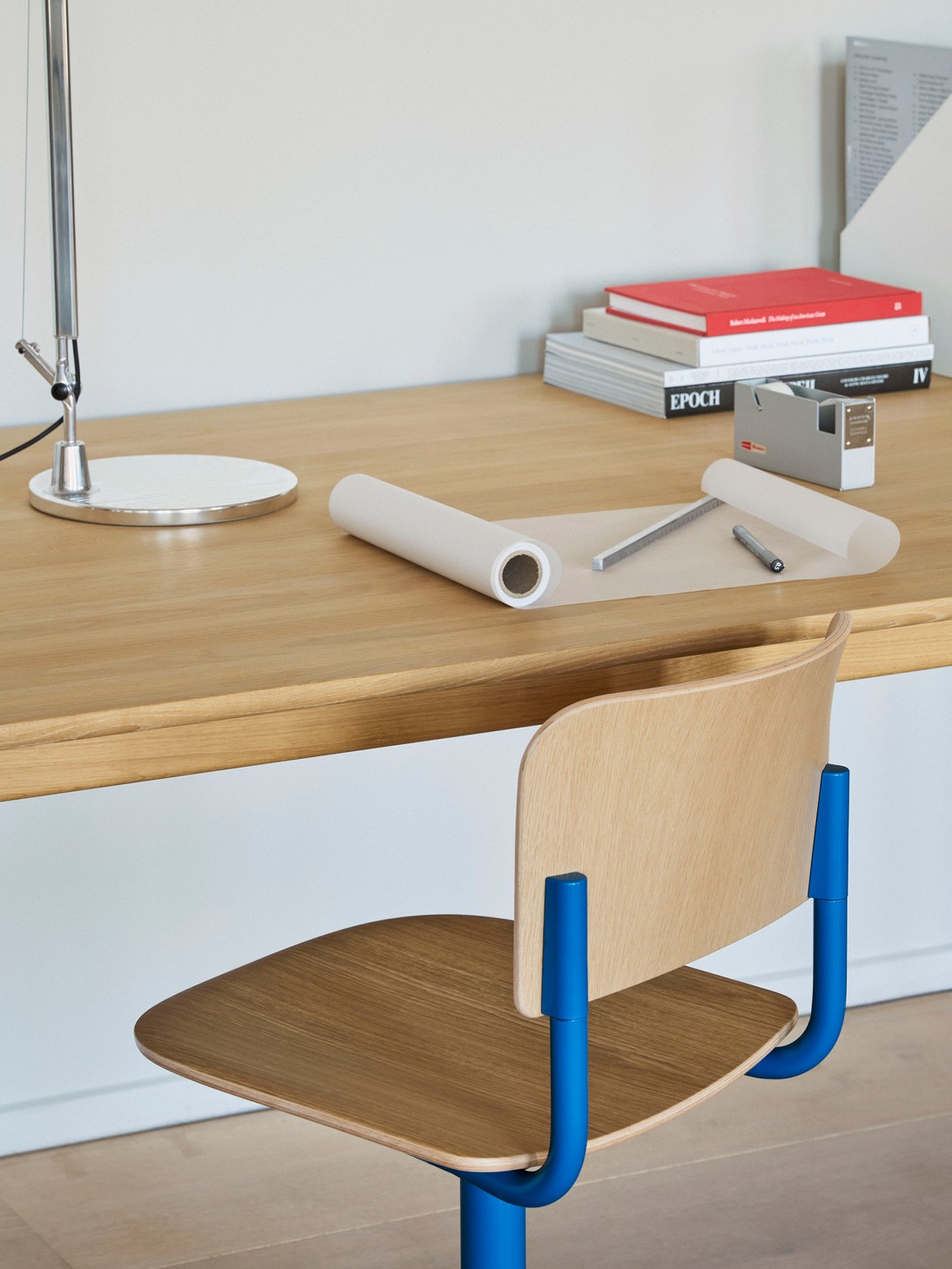
A cantilever looks effortless, but getting there is anything but. You’re asking a single bent steel tube to carry someone’s full weight and flex just the right amount, every day, for years. Too stiff and you lose the point of it. Too soft and it feels unsettling. We went through a lot of prototypes, sitting in them, bouncing in them, and refining the bends and tube until it felt right. Fredericia’s engineers were brilliant at this, and very good at telling us politely when something wouldn’t pass testing. The other challenge was keeping it recognisably Plan. The seat and back stay the same, the frame comes in the same six colours, and the upholstery is still fixed without glue so it can be repaired.
With the Studio Chair, the challenge was adding the function needed for work, for example, a swivel or height adjustment, without the mechanism dominating the design. In both cases the test was simple: put it next to the original and ask whether it belongs to the same family. I think we’ve passed it.
Over the years Edward and yourself have collaborated with so many great manufacturers, but what for you makes Fredericia different?
It’s a family business, third generation now, and you notice that immediately. Nobody is thinking about next season. They’re thinking about whether a chair will still be in production in thirty years, which is exactly how Edward and I like to think too. The people in the factory have an enormous depth of knowledge, and they’re not shy about challenging you, which always makes the work better. And there’s real clarity about what Fredericia stands for: honest materials, good design and longevity. When your values line up that closely, you spend your time on the design rather than on persuading each other. It feels fitting that some of the last pieces to come out of our studio are for Fredericia. It’s been one of the most rewarding relationships we’ve had.
Finally, when it comes to new projects, which Fredericia pieces do you always turn to for ideas and why?
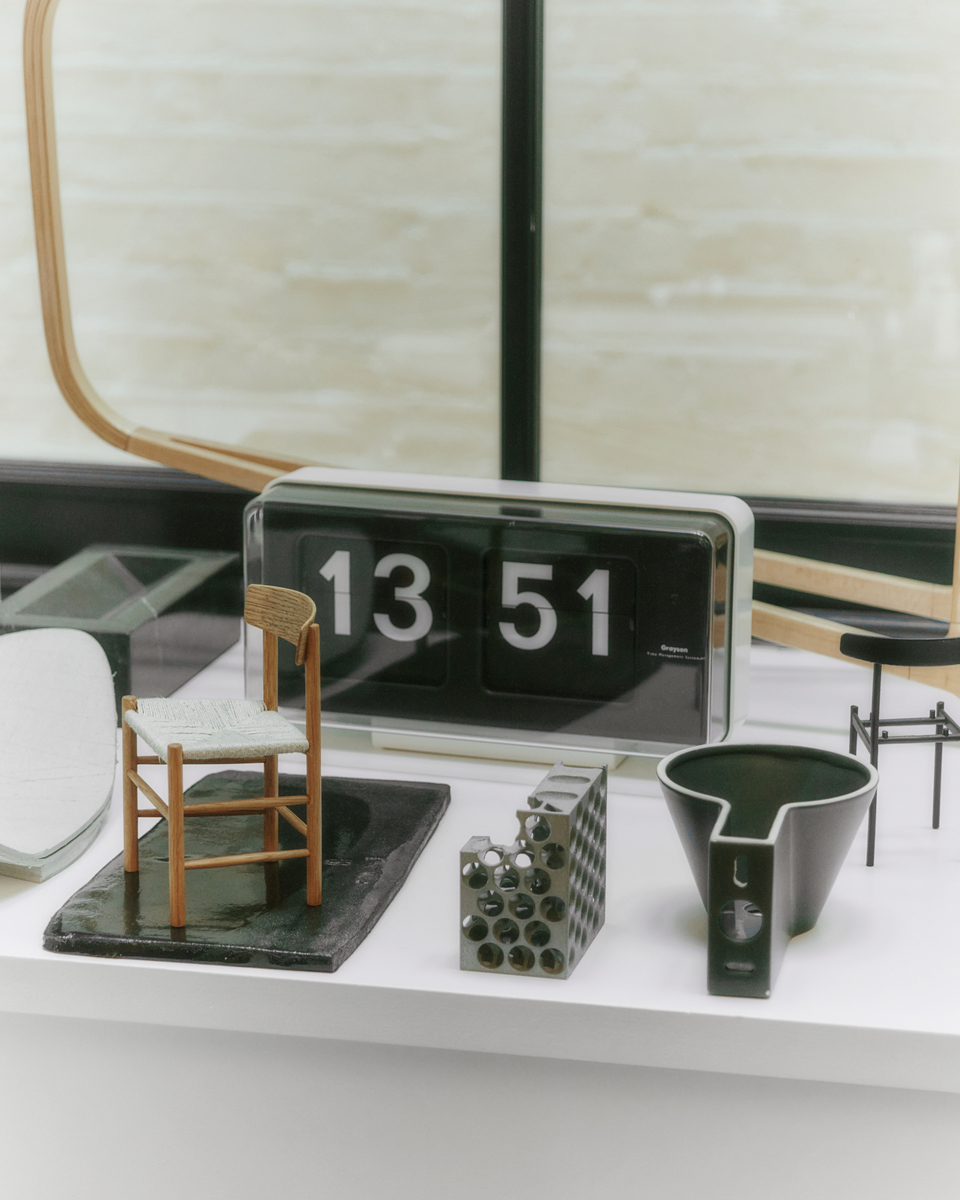
Børge Mogensen, without question. The J39 was where Plan began. It’s about as simple as a chair can get, and it was designed to be affordable for ordinary families, which I find really admirable. It’s a good reminder, whenever we get carried away, that the best designs are often the ones that don’t try too hard.
The Spanish Chair is the other one. It’s bold and generous, but completely honest about how it’s made. There’s a nice connection there too, as the cognac leather on the Plan Table’s cable tray cover comes from offcuts from the Spanish Chair’s production. So, there’s a little bit of Mogensen running right through the collection.
Want to know more?
Thanks again to Jay for chatting with me, I’m looking forward to seeing what both he and Edward work on next.
All images courtesy of Fredericia.
Enjoyed this post? Then read ‘A Chronicle of Danish Design’ Fredericia’s exhibition for this year’s 3 Days of Design.


Leave a Reply