
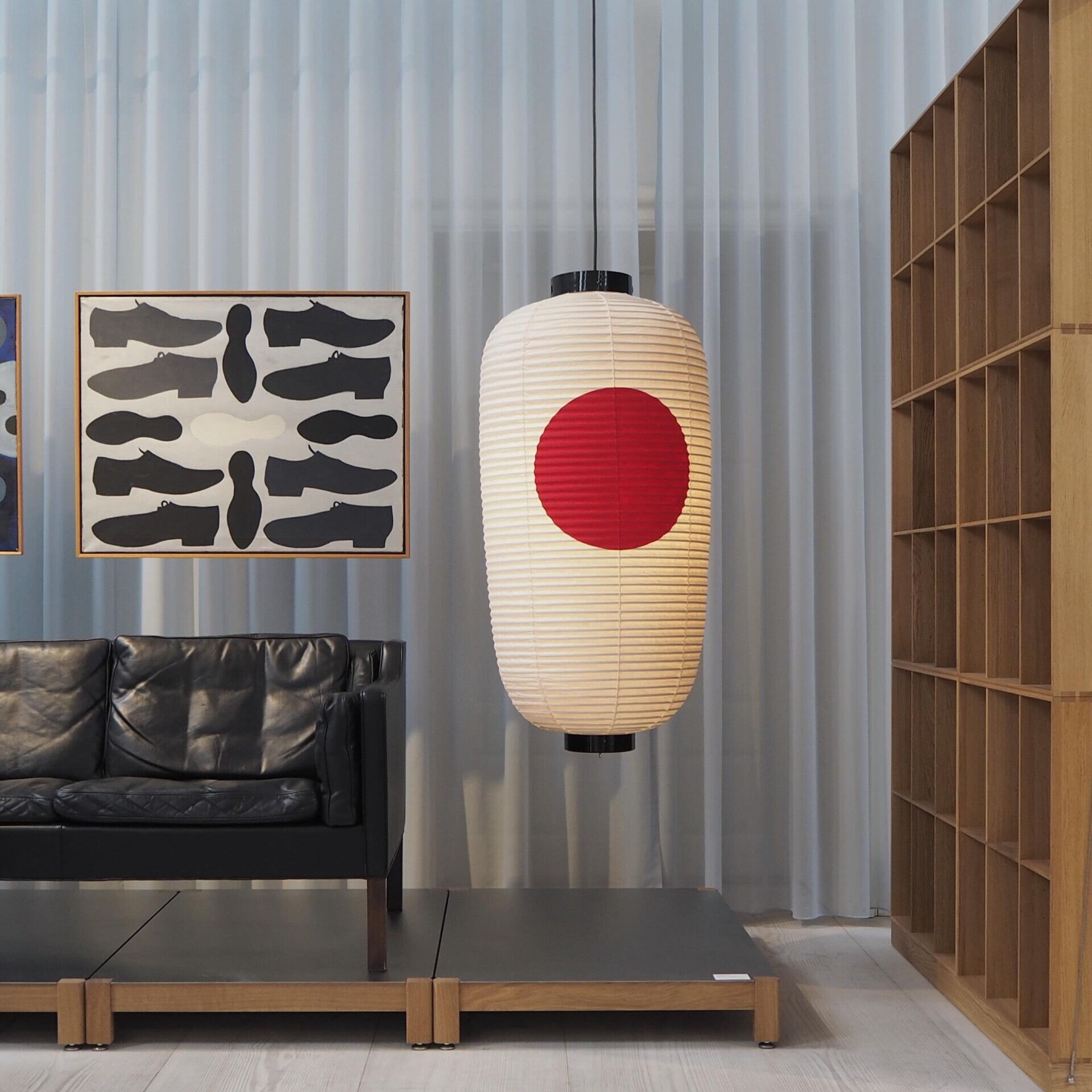
With so many amazing experiences to share from this year’s 3 Days of Design, I’m actually going to start with an exhibition that first premiered at Milan Design Week, as it seemed more fitting seeing it in Copenhagen.
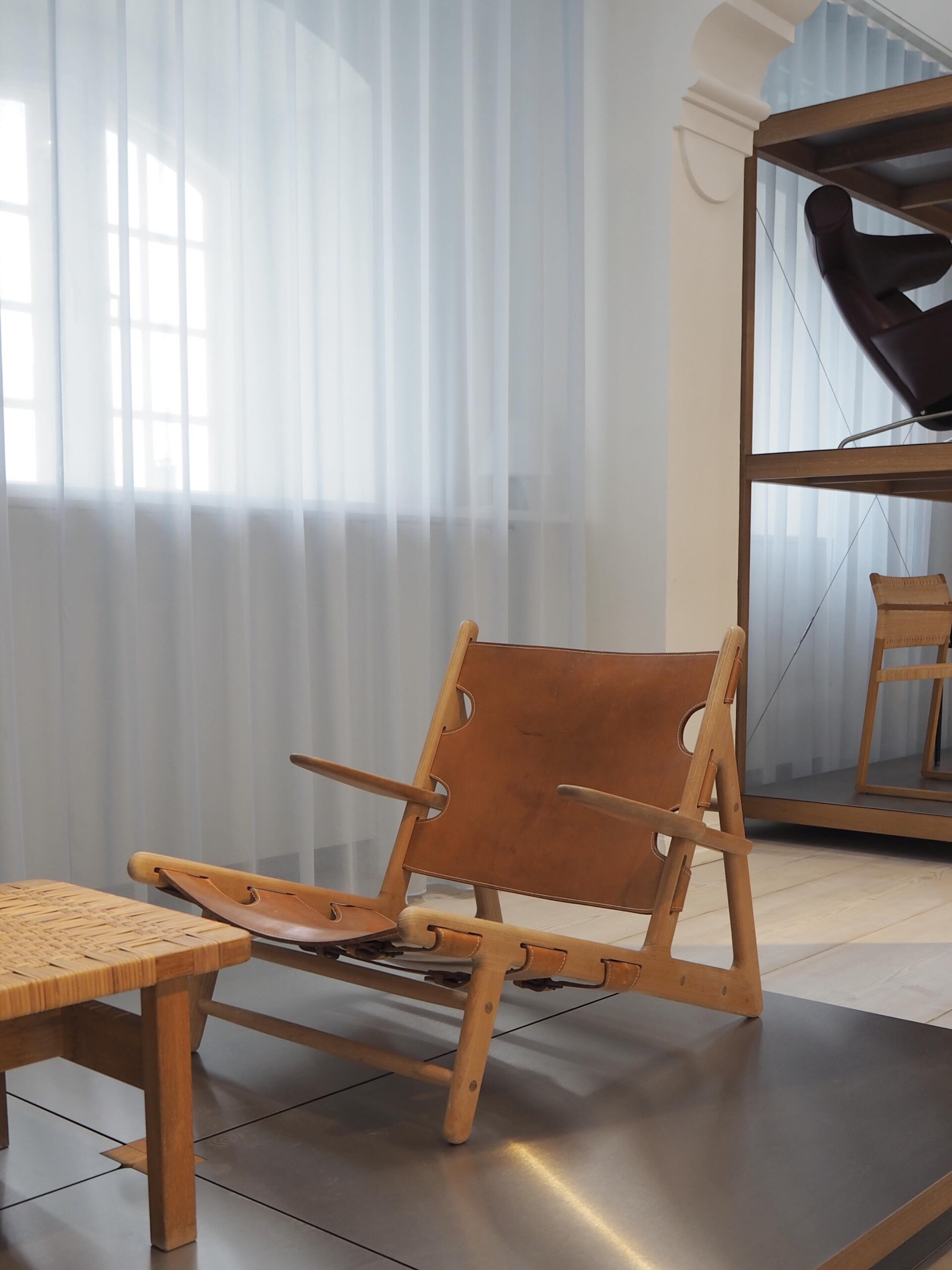
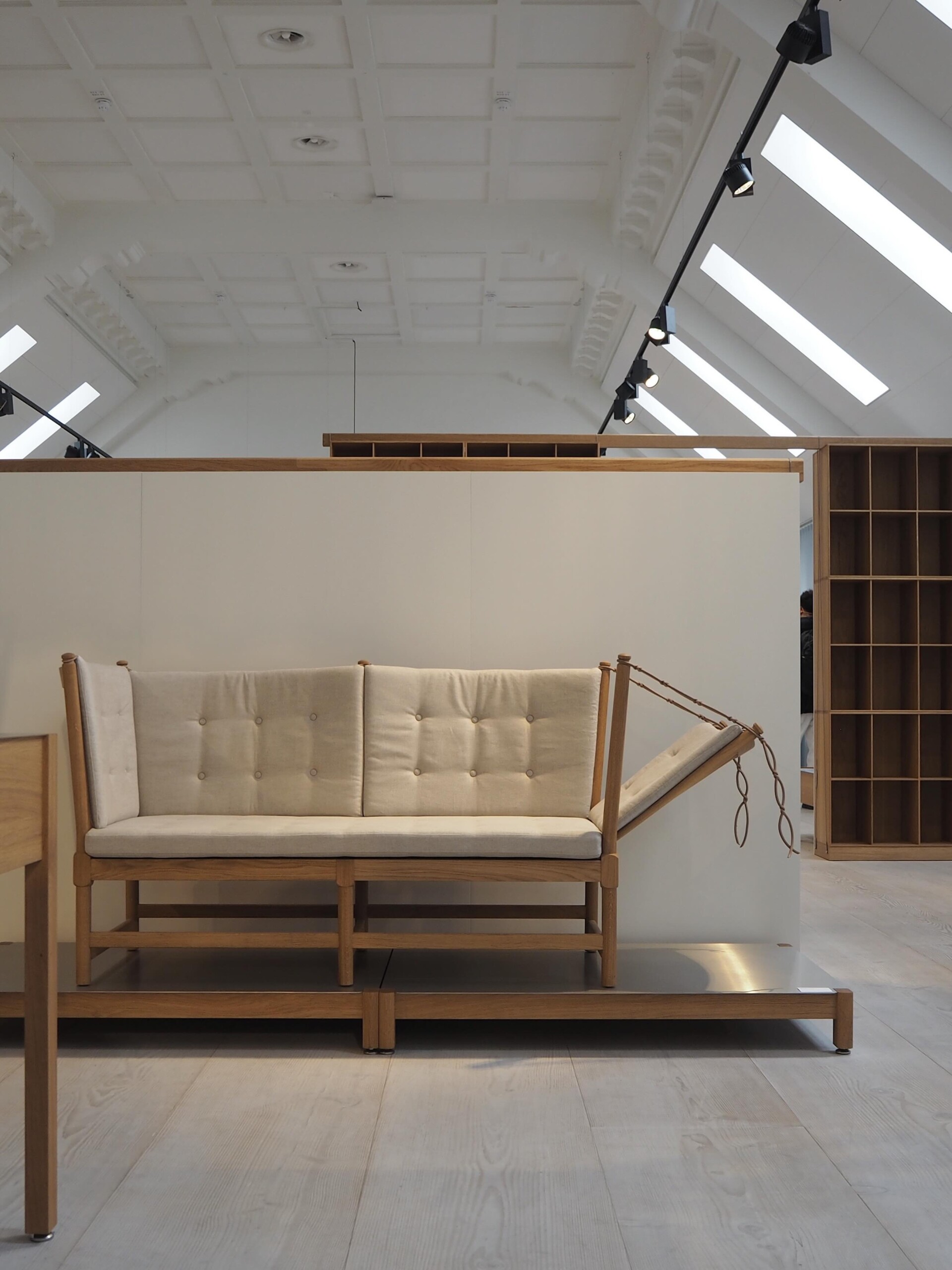
The work of family-owned Fredericia, A Chronicle of Danish Design explored more than a century of furniture-making in the country; showing rarely seen vintage pieces, archival materials as well as contemporary products by selected designers, including Børge Mogensen, Hans J. Wegner, Kaare Klint, Jasper Morrison and Barber Osgerby.
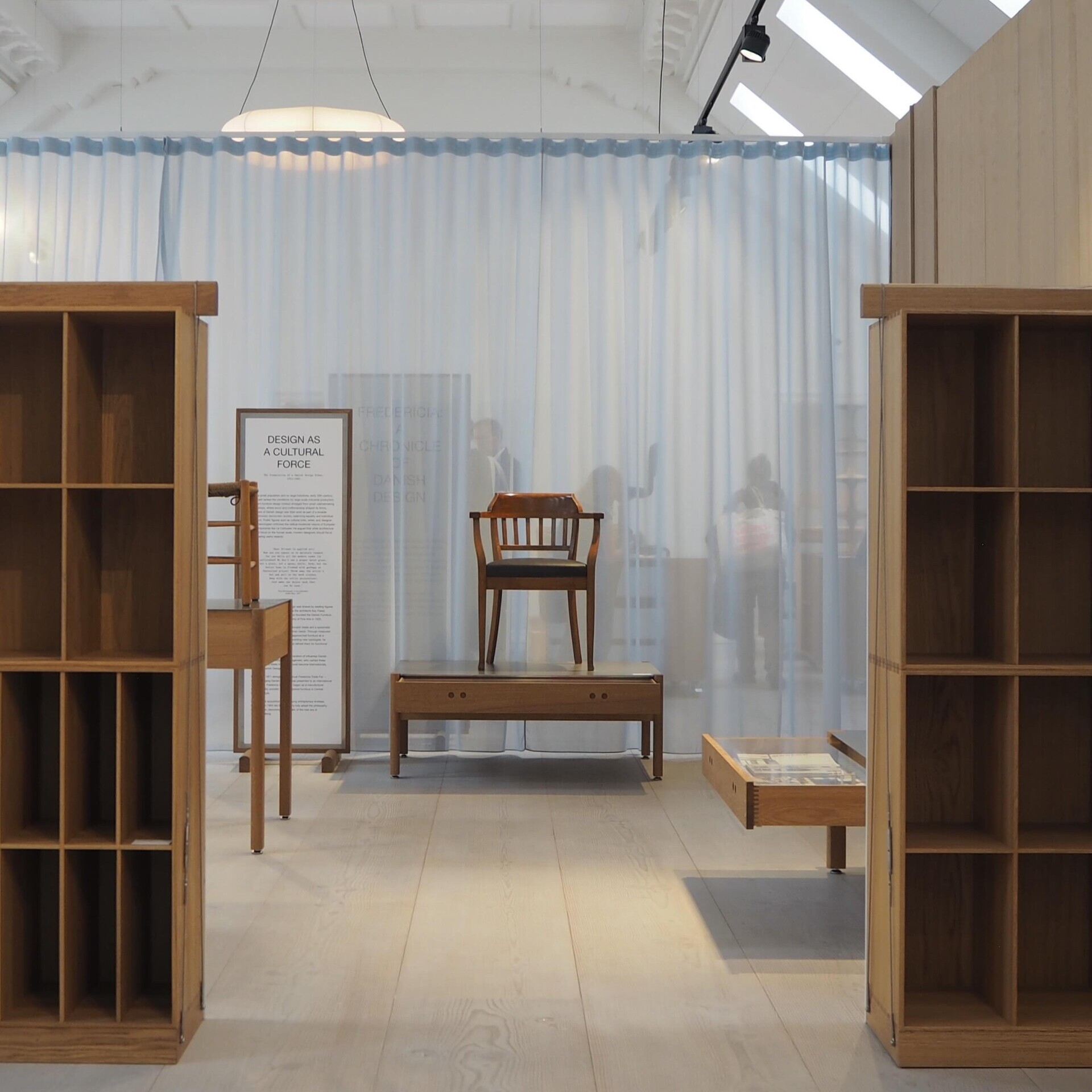
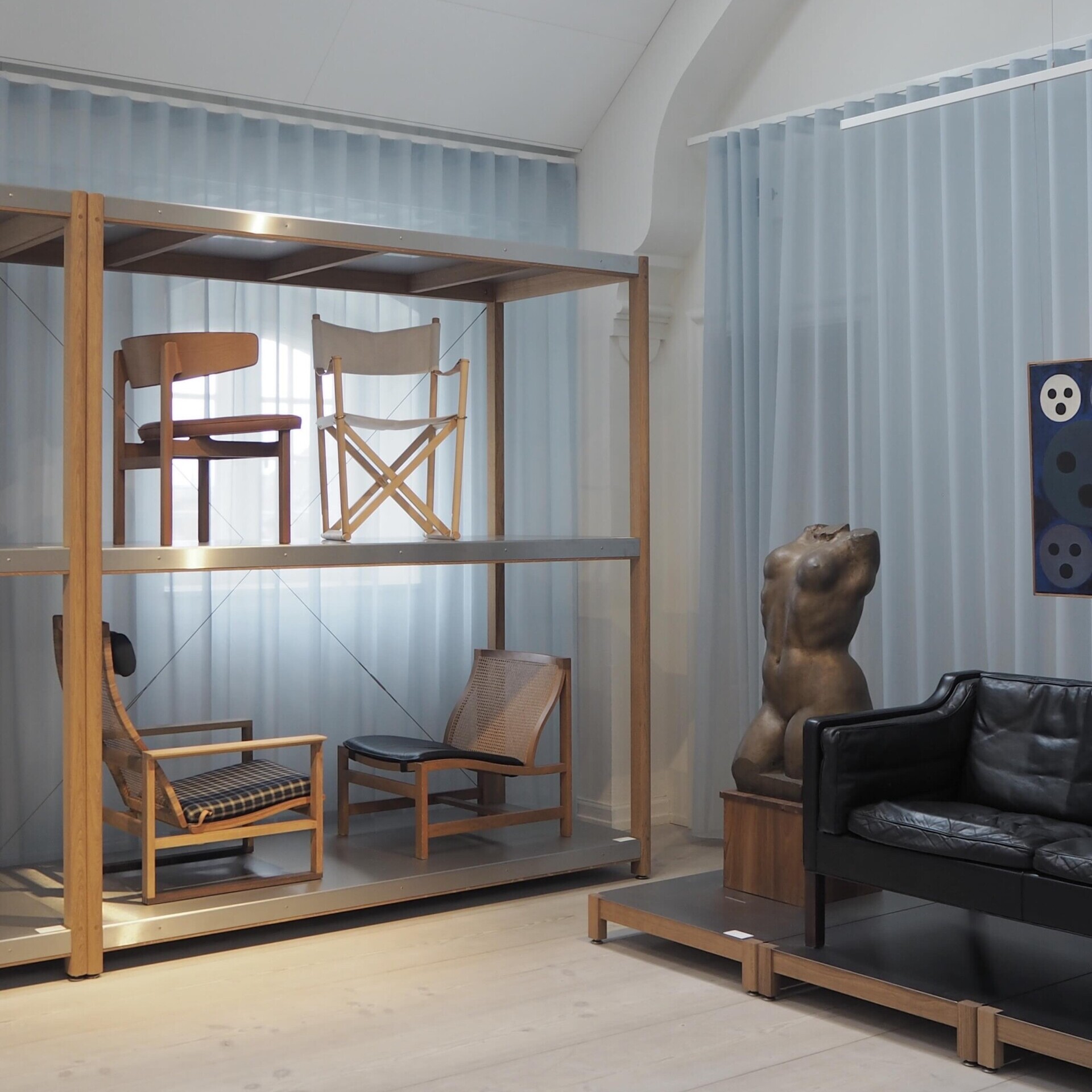
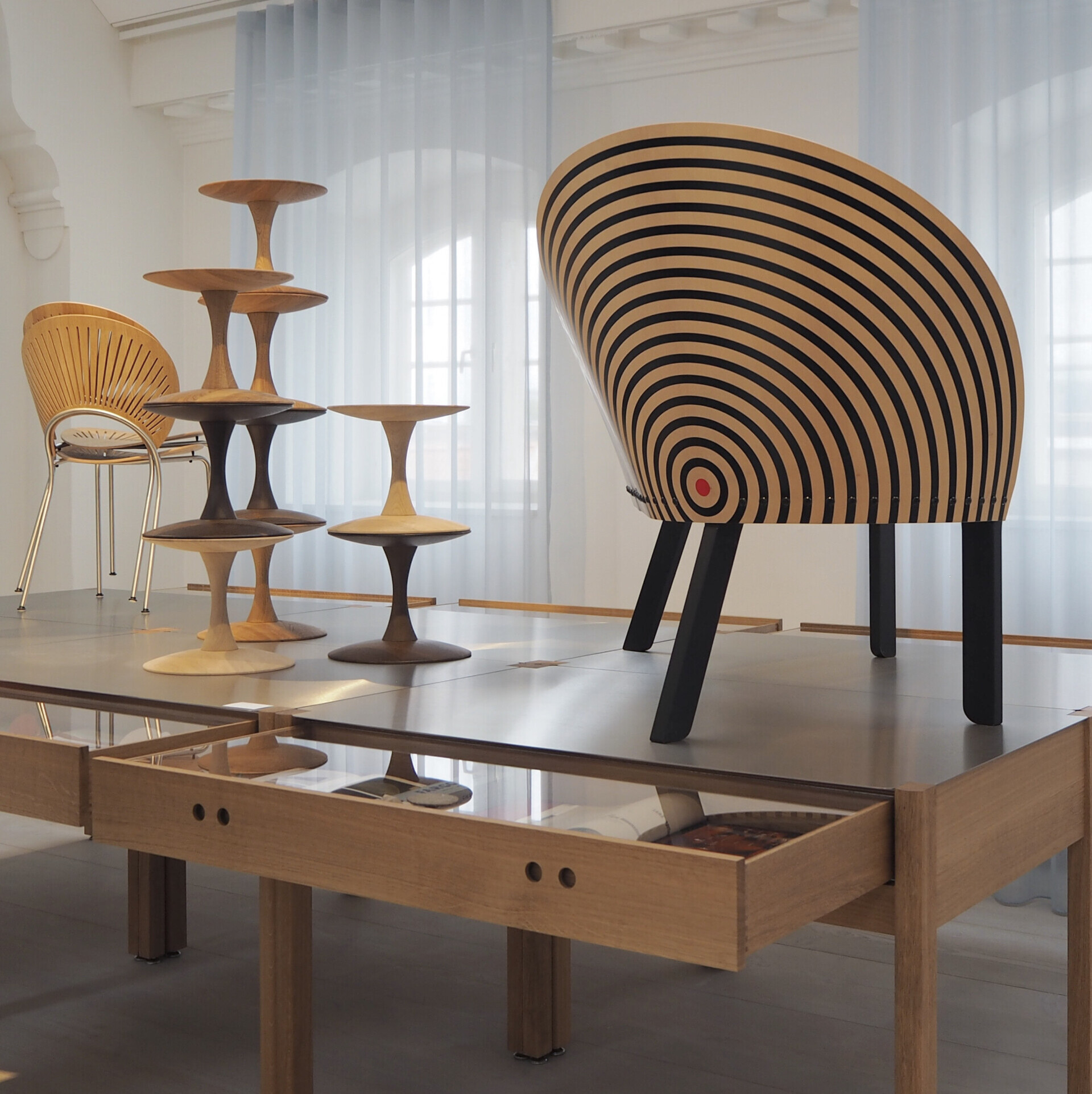
Founded in 1911, this historic showroom on Løvstræde is always a must visit, but what struck me on this occasion was how Fredericia is not merely just another manufacturer, but a central figure in what now defines Danish design worldwide.
As much about culture as it was about furniture, every item on display proved how the brand has consistently embodied the principles of human-centred thinking, craftsmanship, and social vision; demonstrating at every turn how good design endures and enriches our daily lives.
“This exhibition honours our history and our commitment to carrying the legacy of Danish design forward; objects, knowledge, and values alike,” Rasmus Graversen, CEO and third-generation owner of Fredericia told visitors. “Danish design has always been about standing on the shoulders of what came before. About solving functionality, yes – but also about curiosity, optimism, dreams, and exploration.”
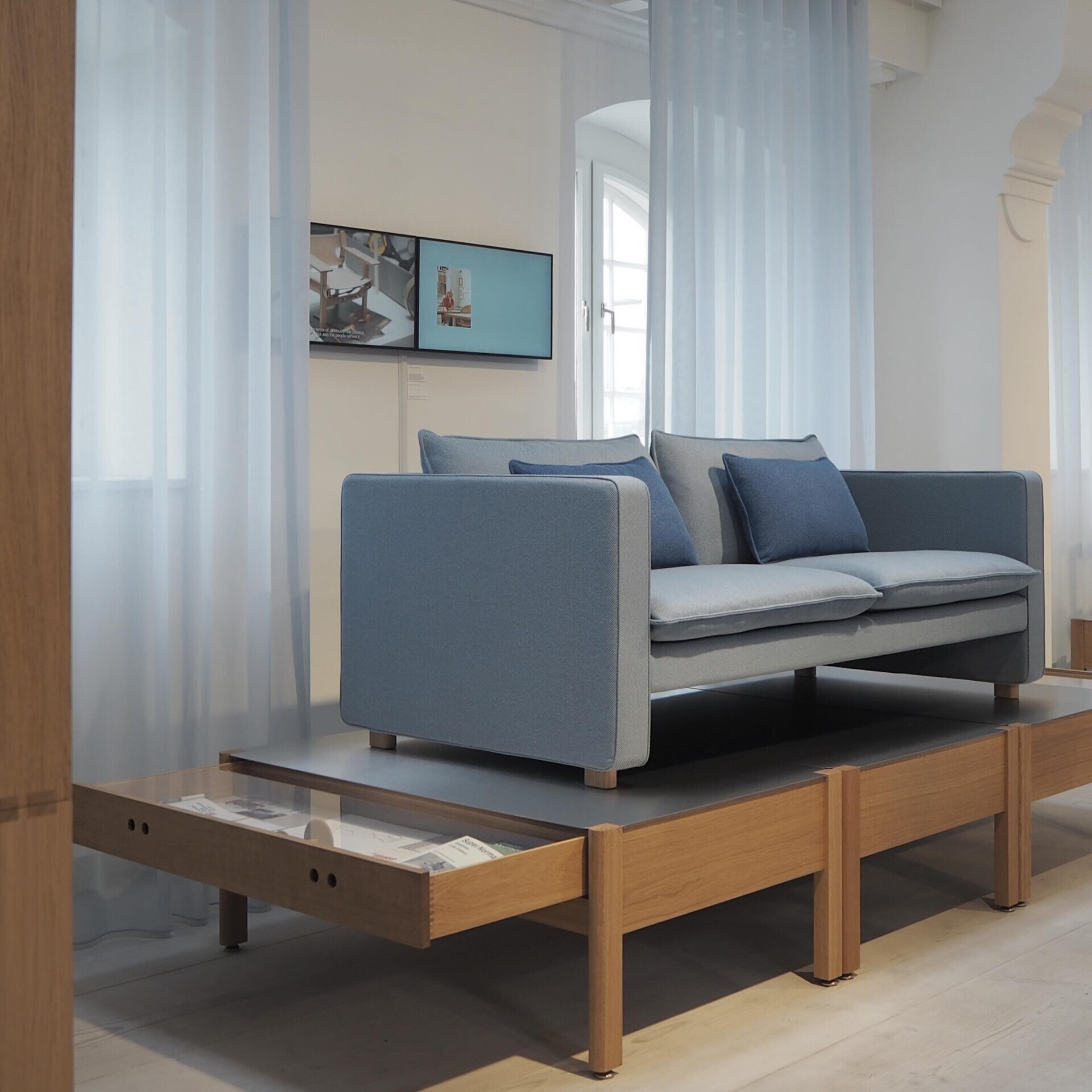
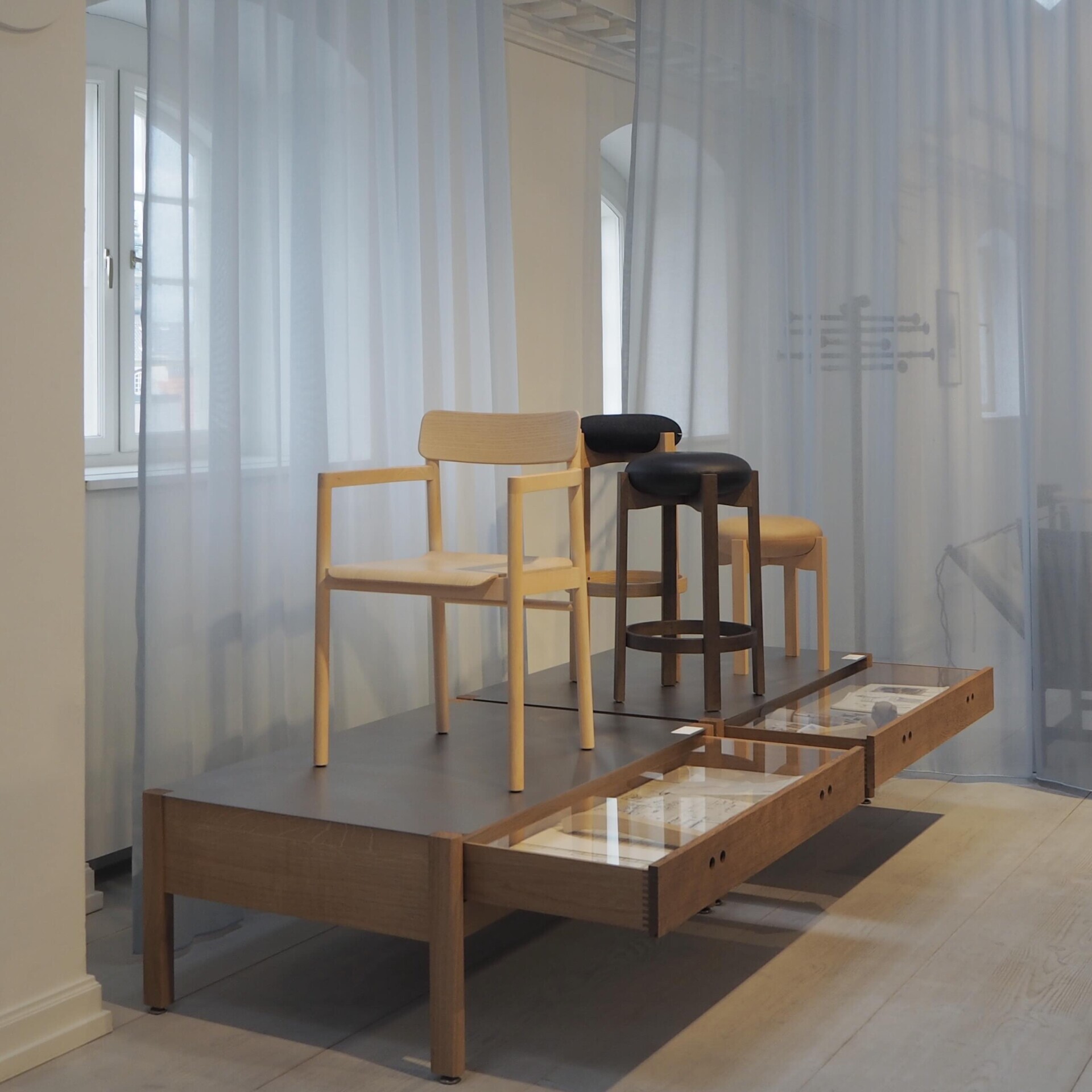
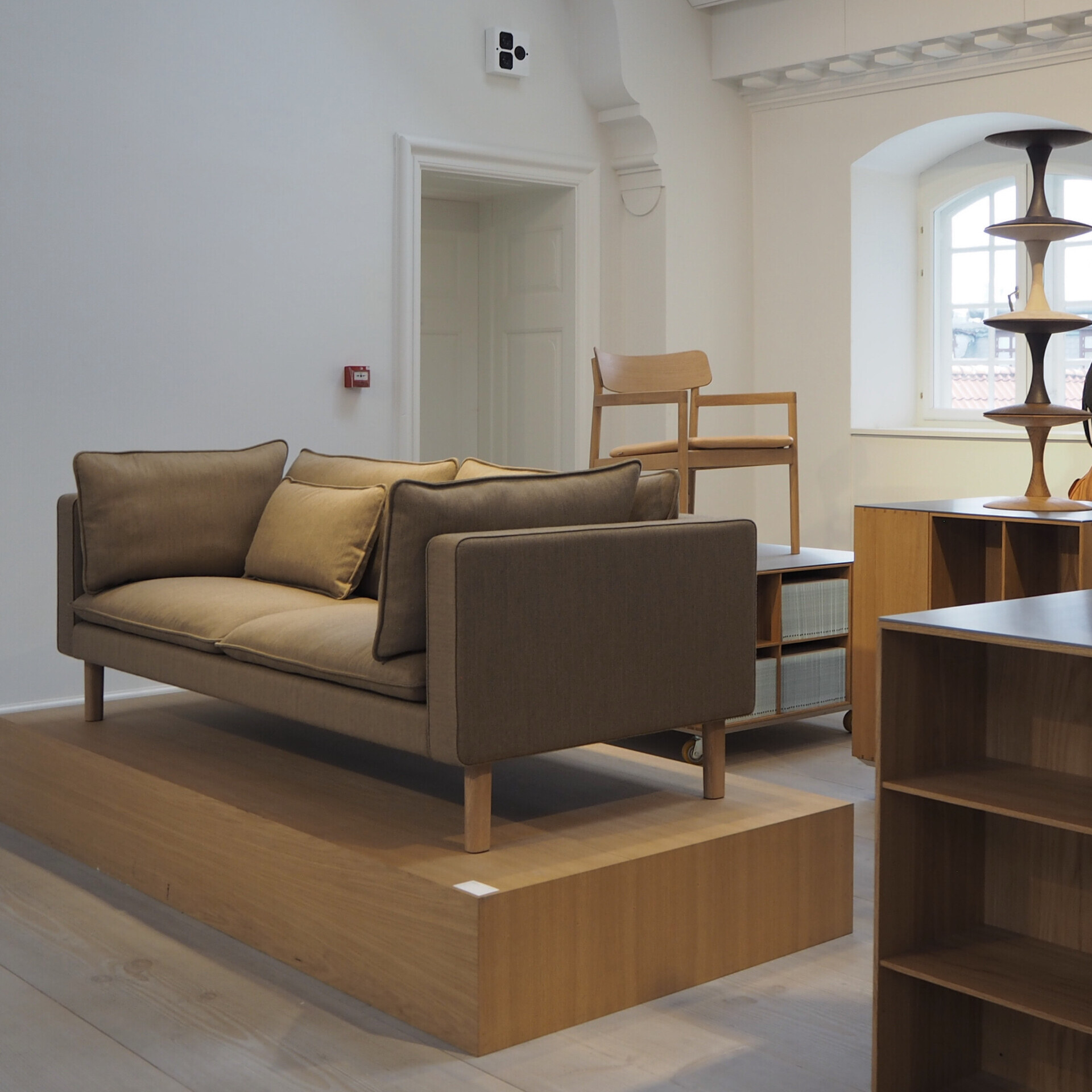
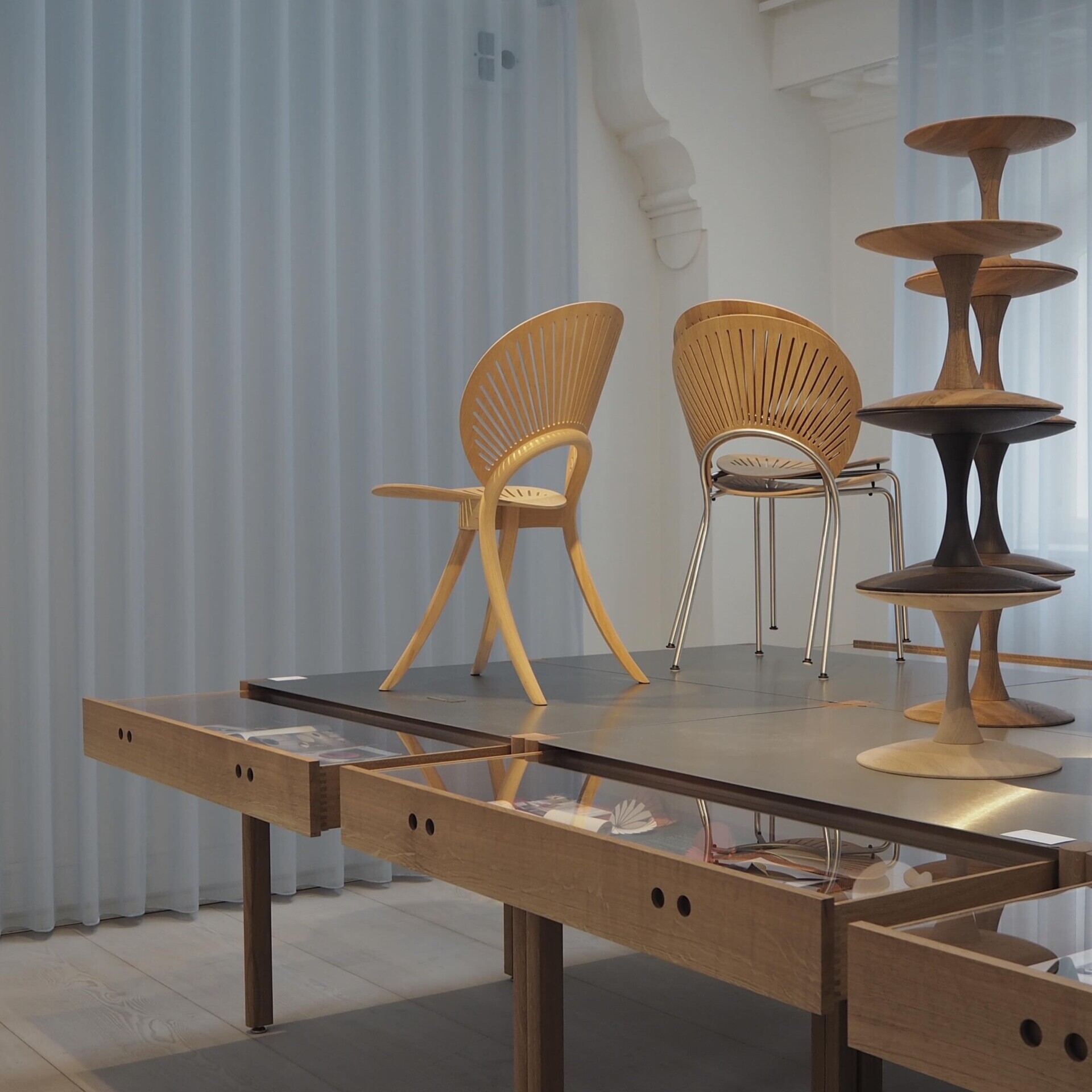
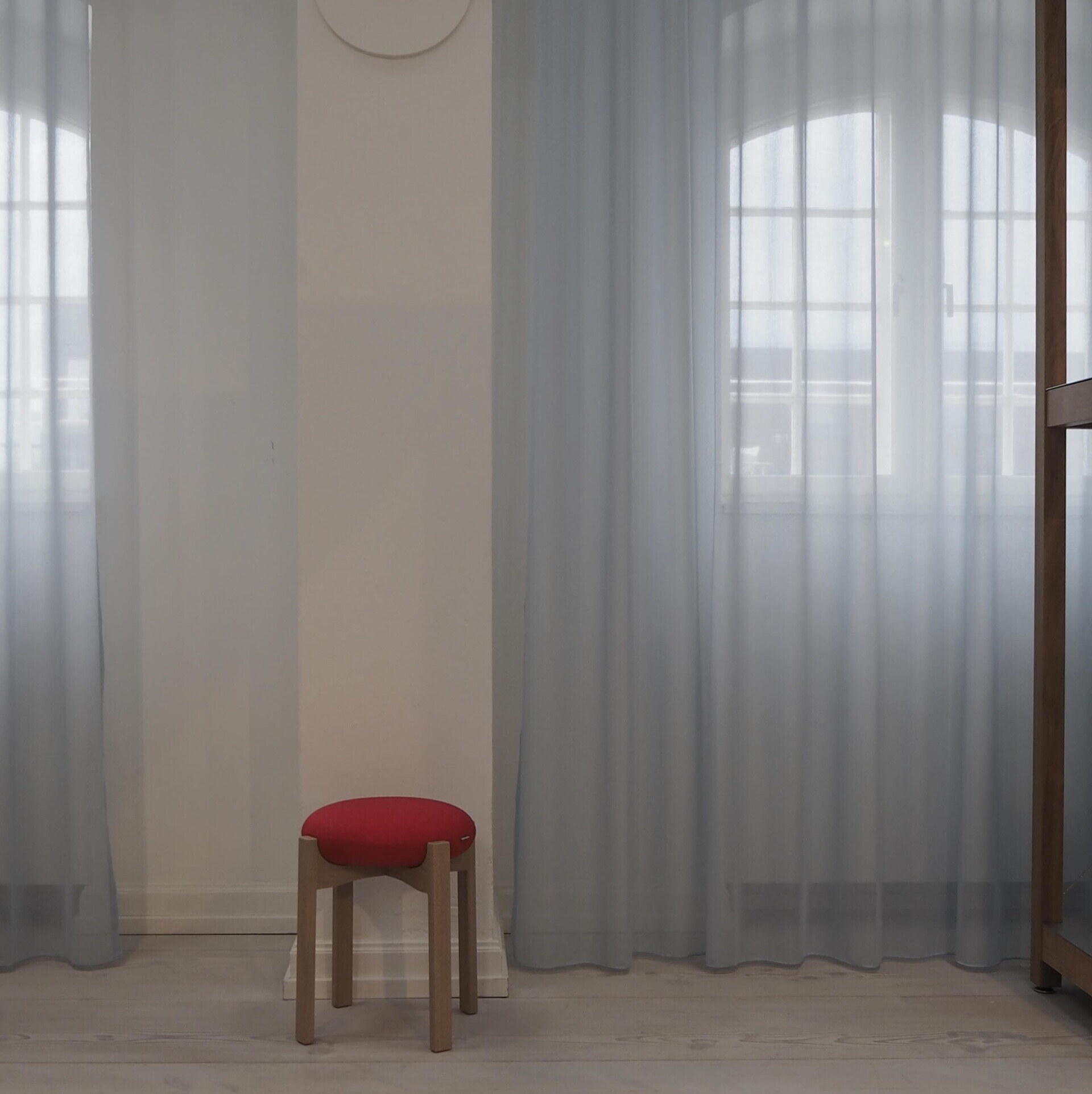
Today, Rasmus and Fredericia Head of Design, Maria Bruun, ensure the brand continues to evolve. So, alongside longstanding favourites such as the Spanish Chair, the Spoke-Back Sofa and the Pioneer Stool, new additions were also celebrated, including an extension to the ‘Post Collection’ by Cecilie Manz (which is available from September), and a reissue of the legendary Nanna Ditzel’s ‘Trisse’.
Originally created in 1962 to encourage children to interact more in play, Trissen, which means “spool” in Danish, could be stacked, rolled, and lifted with ease. Now, reimagined as a stool, coffee table and dining table, the new solid oak interpretations continue Ditzel’s thinking while allowing the object to do what it has always done, only more so.
As Maria Bruun, notes, “Trisse is intuitive and playful yet highly resolved. You understand it immediately, but it continues to reveal new ways of being used. That sense of openness is very much at the core of Ditzel’s work.” Concluding, “This exhibition shows what happens when designers and the manufacturer share a common ethos: design never feels imposed and its core values remain intact across generations.”
To find out more about Fredericia, and the new additions featured in this post, visit their website.
All images by Nicola Capper.
Enjoyed this post? Then come with me to the French capital on a virtual tour of GUBI House Paris.


Leave a Reply