
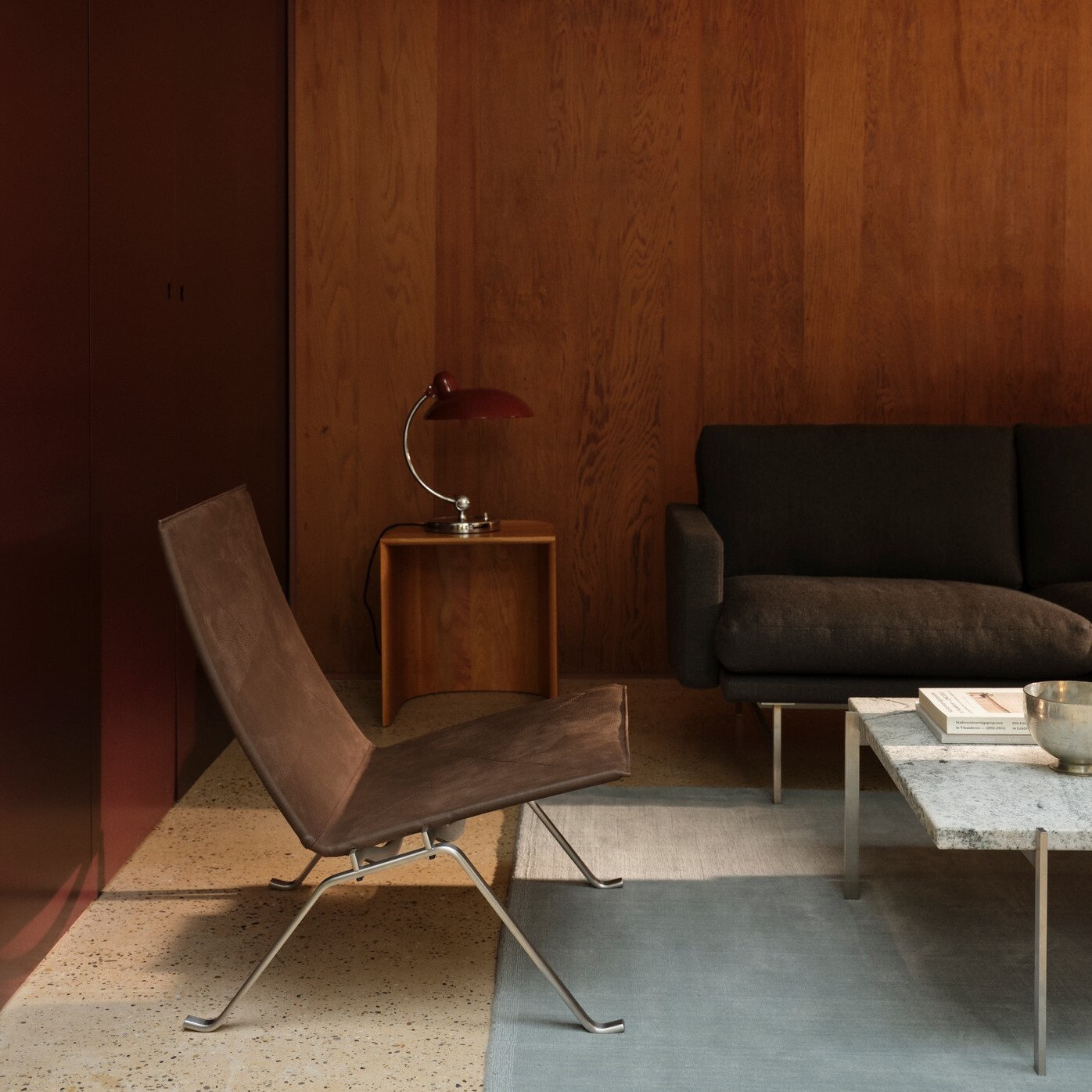
Back in November 2024 I was invited on a very special trip by the historic Danish design brand Fritz Hansen. Staying at the legendary SAS Royal Hotel in the heart of Copenhagen, my fellow guests and I spent two inspirational days touring both their HQ and archive in Allerød, as well as key locations across the city and beyond taking a deep dive into the life and work of one incredible man, Poul Kjærholm.
Describing himself as a “furniture architect,” and known for his exacting precision and ability to harness the potential of his materials, Poul Kjærholm occupies a warm place in the hearts of Danish design lovers everywhere. And, while this trip will be one I’ll never forget for its achingly beautiful design, it was also when I met and formed a friendship with their Director of Craft & Heritage, Christian Andresen.
With a decades’ long career in furniture and interior design, including over ten years spent at Fritz Hansen, Christian is the key figure responsible for carrying the Poul Kjærholm Collection forward. Working closely with the family, he decides which pieces are brought into production, and which new innovations, materials and colours are considered.
So, with a catch up long overdue, who better to chat with about the latest launches than Christian himself.
Here’s what he had to tell me:
Can you start by sharing how Fritz Hansen continues to develop the Poul Kjærholm Collection, and why you think his work is attracting a new generation of fans?
Fritz Hansen acquired the production rights to the Poul Kjærholm Collection in 1982 from E. Kold Christensen, and since then we have continued to work very closely with firstly, Polu’s wife Hanne and, since her passing, her children Thomas and Krestine Kjærholm on both existing models and reintegrating new launches, always ensuring a continuity of craftsmanship.
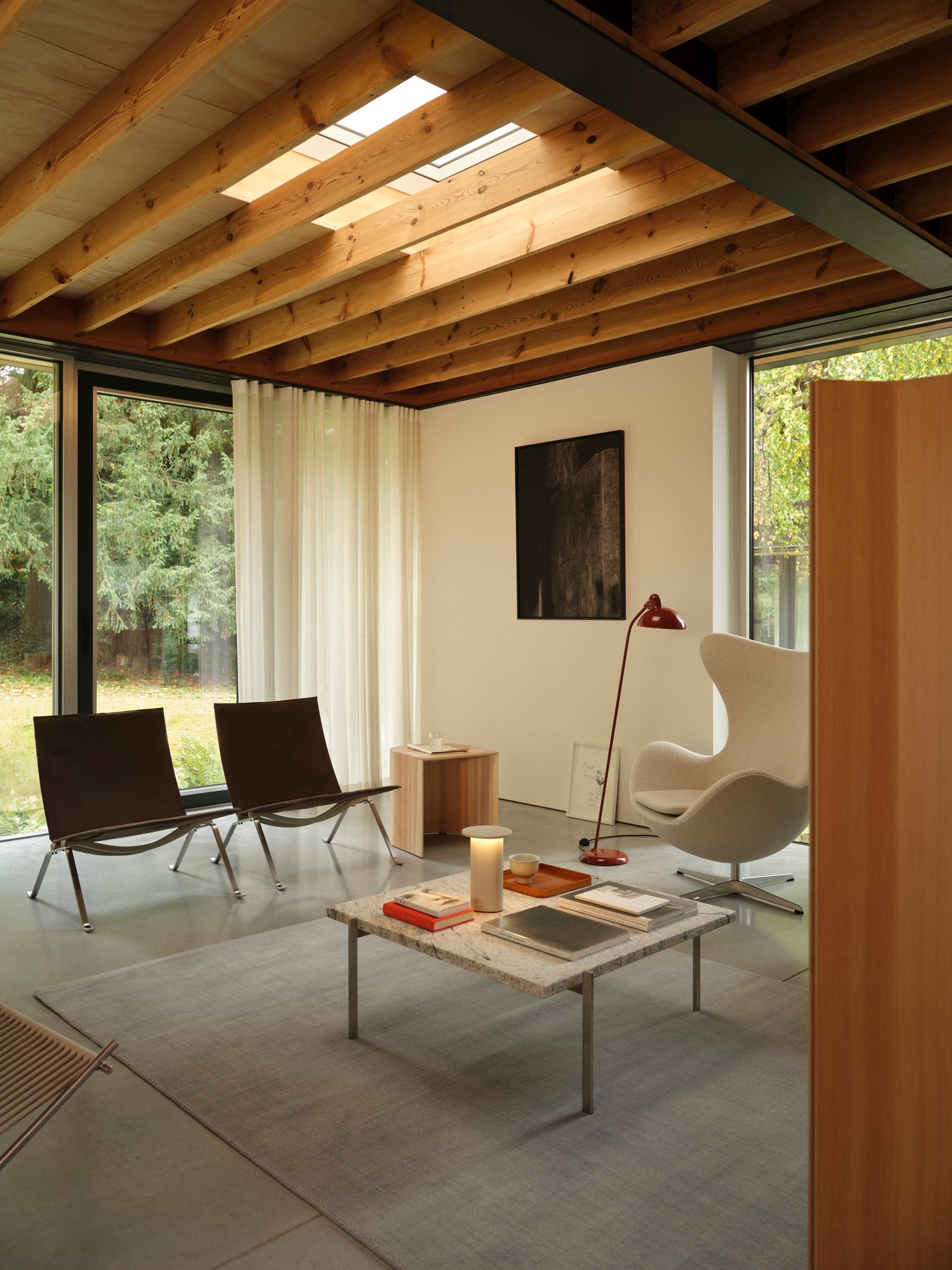
I think there is a certain timelessness and elegance about Poul’s work. His style is fundamentally graphic and possesses an industrial aesthetic unique to him. His choice of pure materials, and his subtle combination of industrial and crafted details makes his products look beautiful in almost any contemporary setting.
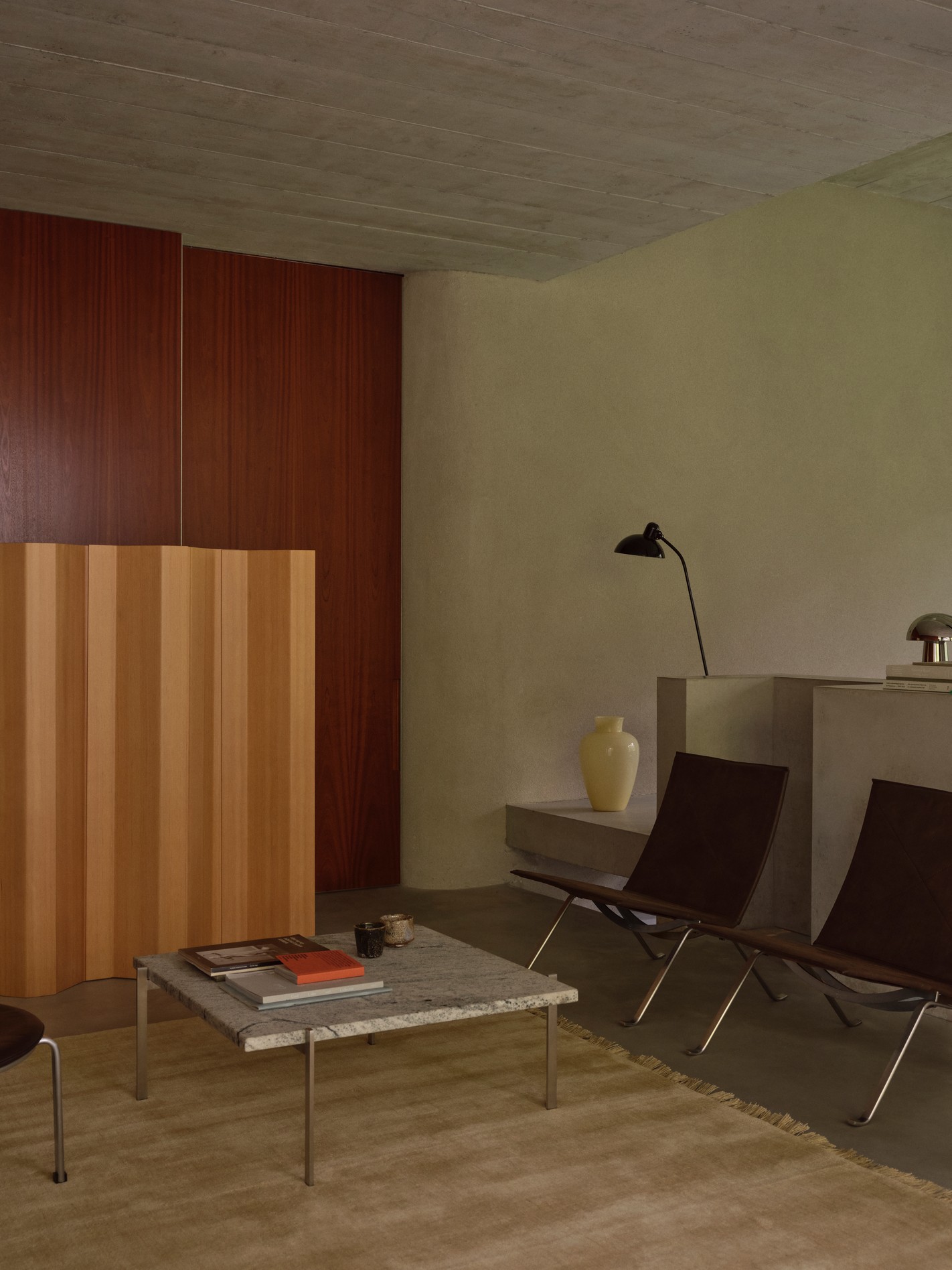
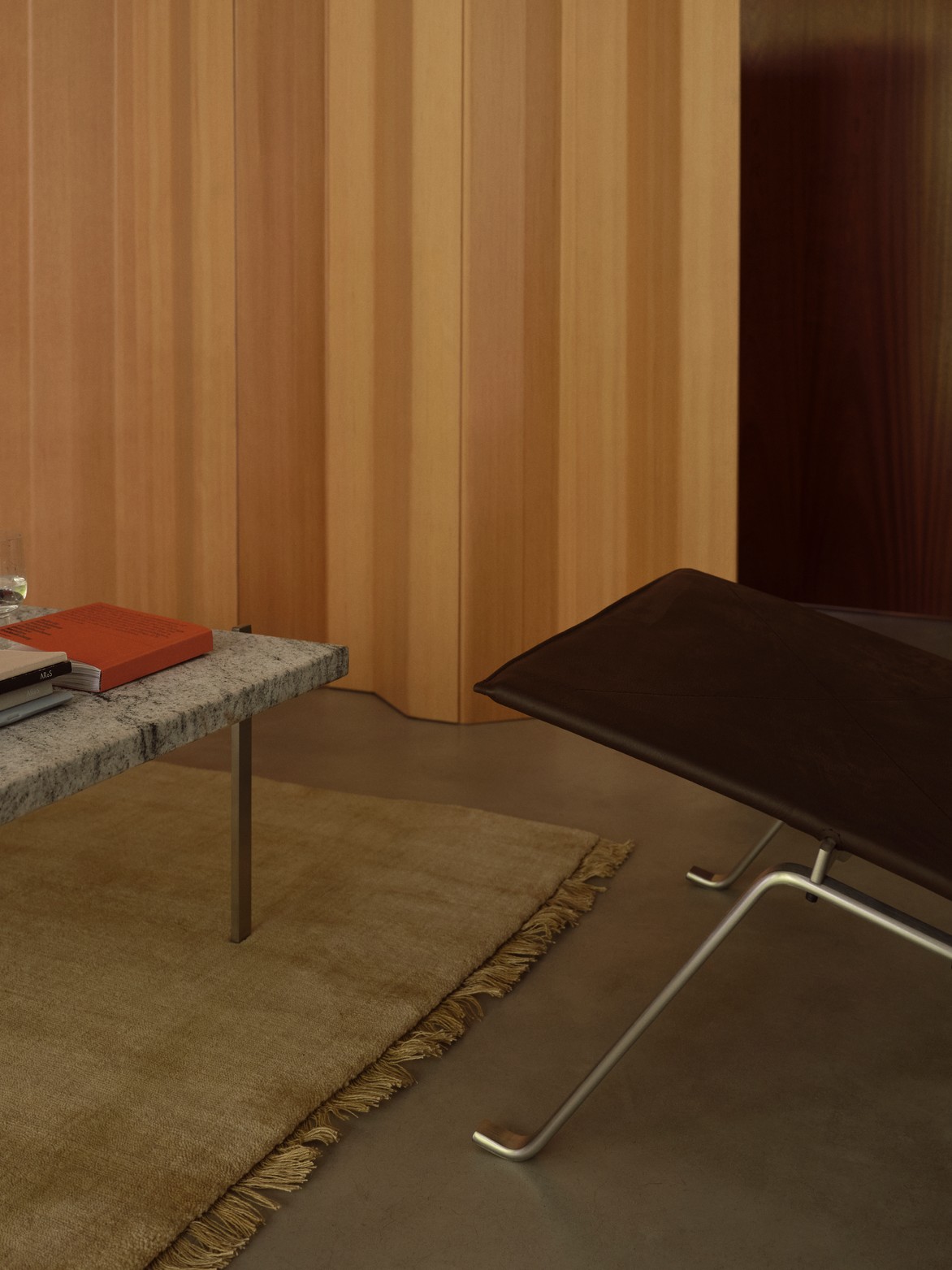
Can you tell us how the latest piece, the PK111 modular screen came about, and what for you makes it the perfect fit for Fritz Hansen?
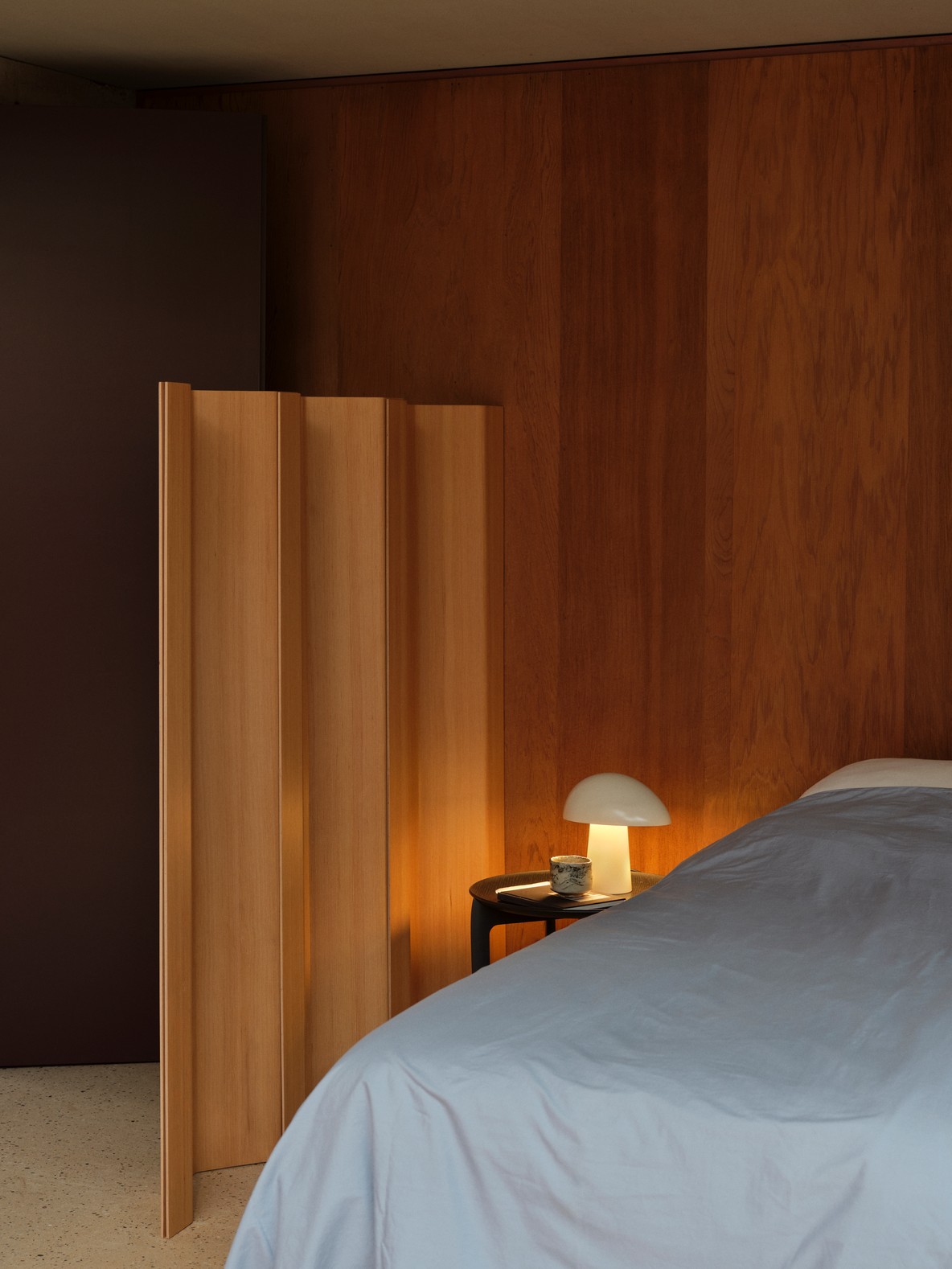
Originally designed in 1956, as part of a family of furniture for his own home in Rungsted Kyst on the coast north of Copenhagen, the freestanding 140cm high modular screen was planned precisely to divide the living and dining areas that ran the length of the house facing the sea.
And, while the PK111 is a new category for us and a more forgotten part of the Kjærholm collection, its close relationship with our belief in the function and beauty of what good design can do to a space amplifies the significance of the designer’s body of work in totality.
Could you explain more about the material palette, and how the PK111 is made?
As with his other furniture, Kjærholm was building on ancient archetypes, in this case Japanese and Oriental screens, along with some appreciation of the modern equivalents such as those created by Alvar Aalto and Charles and Ray Eames in the preceding decades.
His concept of producing elements that you can put together in an organic shape or something architectural and flat, then separate and store, was a genius idea. With the PK111 he stretches the limits of modular plywood manufacturing in an extremely elegant way.
Made from press moulded Oregon Pine veneer, which will develop a rich patina over time, each element is comprised of two pieces made from the same mould, skewed when they are put together to create a gap and then seamlessly slotted together.
As a passionate advocate of Poul’s work, what else is in the pipeline? What can we look forward to seeing next from Fritz Hansen?
At Fritz Hansen, we’ve always been protective of the Kjærholm legacy, keeping a clear boundary around the collection. And while you will have to wait and see what comes next, we’re starting to broaden that view—to show that he was a more multi-faceted designer than historically presented.
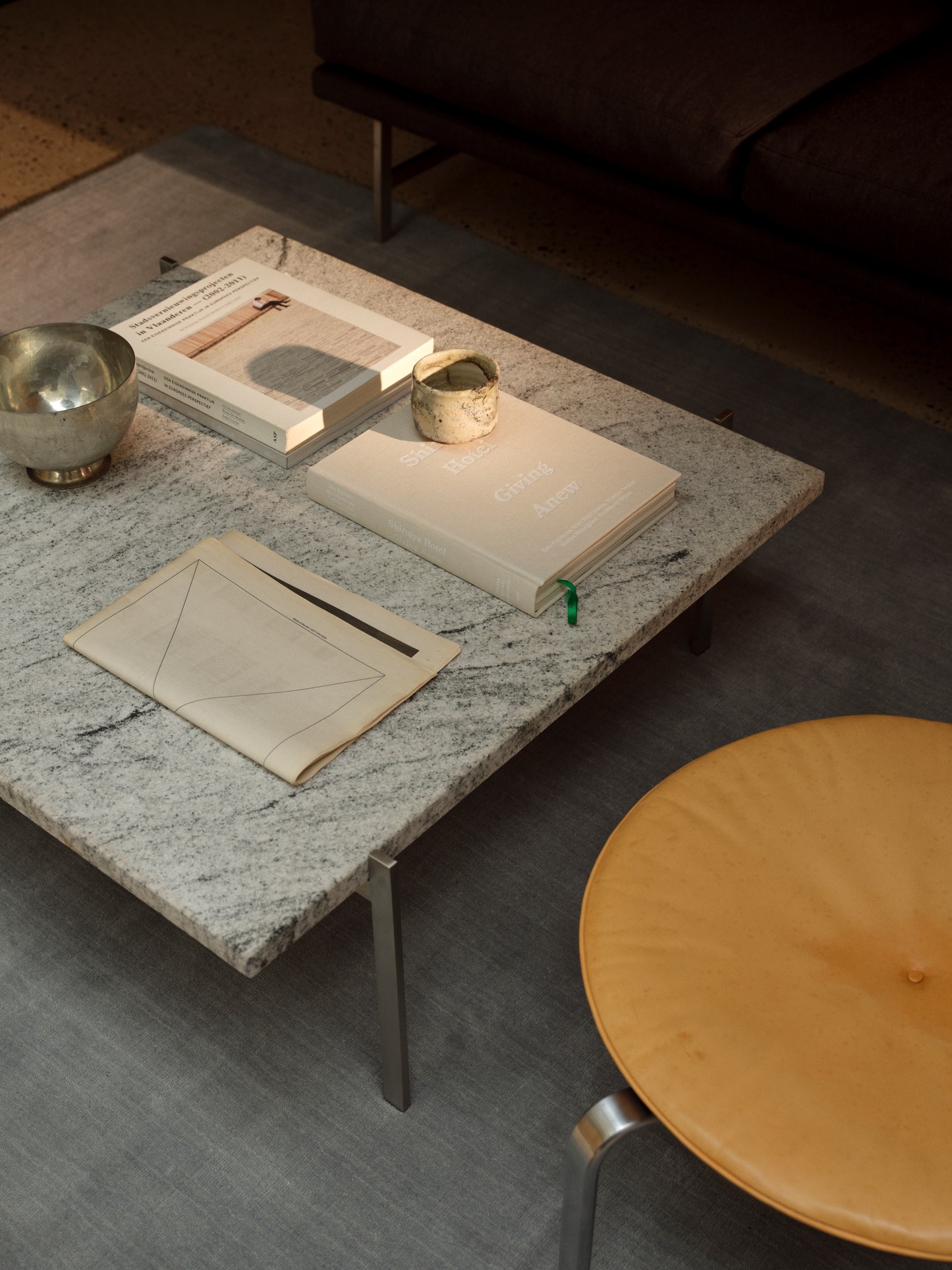
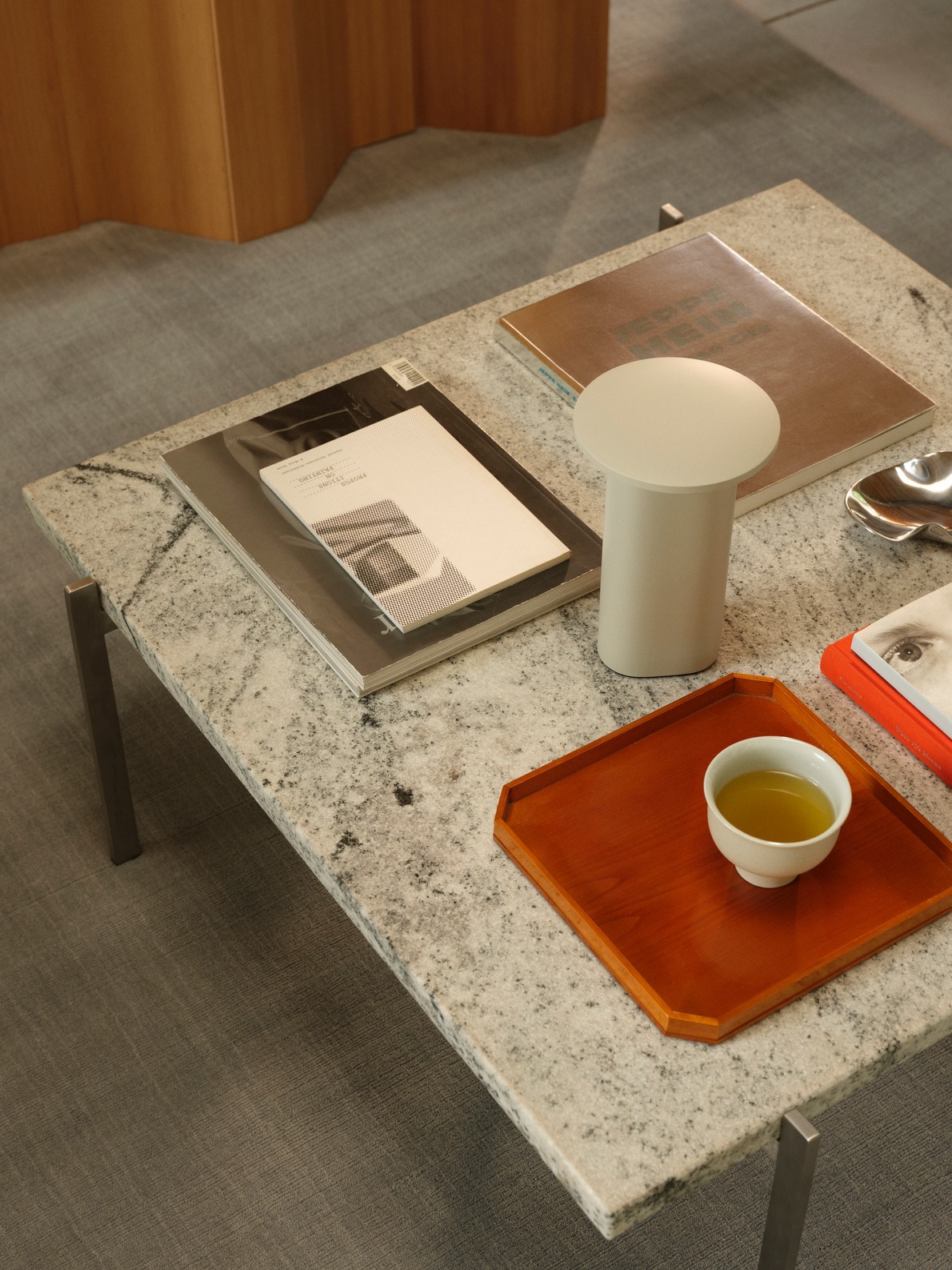
As you know I’ve had a long-lasting love affair with this screen, but through the recent releases of the PK3 and PK23, along with the new reinterpretations of both the PK22 in an exclusive aniline leather and the PK61 table in a grey-white honed granite, these products are testament to Kjærholm’s ability to create objects that exist outside of a specific time and location.
Want to know more?
Thanks again to Christian for chatting with me, I’m looking forward to seeing more of Fritz Hansen’s new season releases.
To find out more about Poul Kjærholm, the collection and the pieces shown in this post, visit the Fritz Hansen website.
All images courtesy of Fritz Hansen.
Enjoyed this post? Then read my previous chat with designer Kasper Salto about Vind, new series of outdoor furniture from Fritz Hansen.


Leave a Reply